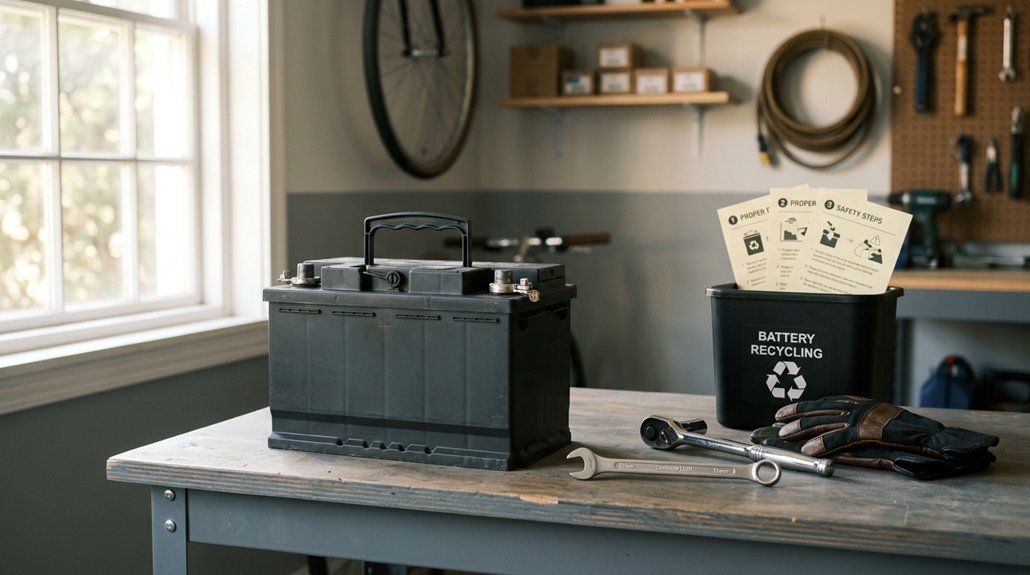
Most drivers don’t realize a single car battery contains enough lead and sulfuric acid to contaminate 10,000 gallons of groundwater. I’ve swapped dozens of these units in my garage, and I’ll tell you upfront: the disposal process is simpler than you’d expect, but one wrong move creates serious legal and environmental headaches. Here’s what actually works.
Is It Illegal to Throw Away a Car Battery in Your State?
Why risk a fine when you can recycle your old car battery for free? I’ll walk you through what I learned about staying on the right side of the law.
Dumping car batteries in regular trash or storm drains is illegal in all 50 states. I checked my local regulations and found they classify these as hazardous waste because of the lead and sulfuric acid inside. Getting caught means penalties I’d rather avoid.
Recycling solves this completely. Most auto parts retailers accept used batteries at no charge. The process recovers about 99% of materials, preventing environmental damage from toxic components.
For hassle-free disposal, I call my local hazardous waste program or licensed recycler. They handle the paperwork and ensure compliance. Joining this responsible group feels right, and it costs nothing.
Recommended Products

Safely store used dry-cell batteries for disposal with this reliable storage box. Its durable design protects your batteries, while the space-saving structure keeps your recycling efforts organized. Ideal for homes, offices, and industrial settings, it’s the perfect tool for responsible battery disposal. Compact yet spacious enough to handle everyday use, this container transforms how you manage used batteries.

Complete Package for Battery Disposal: the package includes a reusable container and an easily identifiable battery recycling label, the comprehensive package ensures proper disposal of old batteries; Note: for storage of old batteries only, not as a shipping container

No More Guessing Before You Toss: Before toss into battery recycling container, check the battery with our battery tester which can be used to test different type of household batteries like AA, AAA, C, D, 1.5V,9V and 1.5V button type. (NOT INCLUDED ANY Batteries)
3 Safety Checks Before You Touch Your Old Battery
I always run three quick inspections before grabbing an old battery, and I recommend you do the same. First, I’ll check the case for cracks, bulges, or acid stains that could mean leaks or internal damage. Then I look at the terminals for corrosion buildup or loose connections that might spark. Finally I test the charge status with a multimeter so I know if it’s holding voltage or completely dead.
These steps take under two minutes, but they’ve saved me from acid burns and unexpected shorts more times than I can count.
Recommended Products
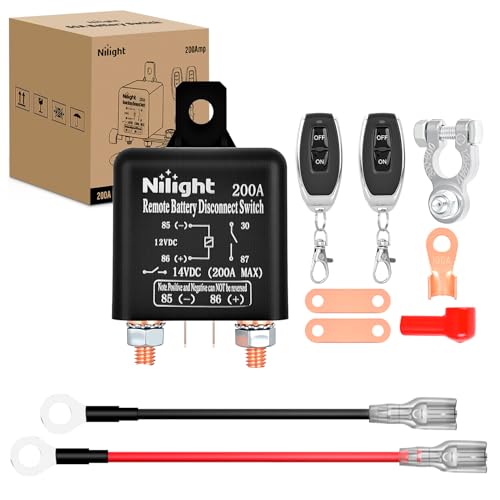
Product Specification: Rating for 200A 12V,heavy duty design remote control switch,effectively enhances the reliability when use.Perfect for Various Automotive vehicles such as cars,trucks,boats,RVs etc

Heavy Duty: ABS plastic housing, durable made for safety use, rear cover insulates terminals against any short of circuits. Design for 2 batteries vehicles, can switch battery 1 / battery 2 separately or both on and off.

Heavy Duty: ABS plastic housing, durable made for safety use, rear cover insulates terminals against any short of circuits.
Inspect for Damage
Grab your flashlight and take a close look at that battery before you even think about touching it. I always start my damage inspection by scanning for cracks, bulges, or any signs of leaking sulfuric acid. These are clear red flags that change everything about how I’ll handle disposal. A damaged battery isn’t just messy, it’s dangerous. Even a discharged unit can spark fires or cause arcing without warning.
If I spot leakage or corrosion, I immediately grab eye and hand protection. Skin contact with battery acid burns fast and hurts worse. Damaged batteries demand professional hazardous waste disposal. I don’t try to recondition or recycle them myself. I’ll run a quick conductance test when the case looks clean, but at the first sign of physical damage, I isolate it and call the pros.
Check Terminal Connections
Where exactly do you start when a battery’s been sitting for months? I always begin with the terminal connections. First, I slip on eye protection and gloves because acid exposure and arcing risks are real threats when you’re this close to live components.
I check for corrosion, that crusty white or green buildup that signals trouble. If I spot it, I neutralize it with a baking soda and water solution applied carefully with an old brush. Before touching anything metal, I verify the negative terminal is disconnected and everything’s powered off. No sparks, no surprises.
I scan for loose connections, cracks, or swelling. These mean the battery’s compromised and needs special handling. If terminal connections show leakage or corrosion I can’t clean, I move straight to safe disposal through a certified recycling program.
Verify Charge Status
Why risk a nasty shock when a thirty-second check could save your hands? I always verify charge status before touching any battery. A fully charged lead-acid battery holds about 12.6 volts, and anything above 9.6 volts still carries enough juice to arc if terminals touch metal.
I grab my multimeter, set it to DC voltage, and touch red to positive, black to negative. If I’m seeing 0 volts, that’s my green light; the battery’s truly dead. But here’s the thing: even a “dead” battery can hold residual charge, so I never skip my insulated gloves.
Lead-acid safety demands respect for these chemical powerhouses. Once I’ve confirmed safe charge status, I’m ready for proper battery disposal. No shortcuts, no surprises, just clean handling from start to finish.
Lead-Acid vs. Lithium: Why Car Batteries Are Different
I’ve handled both types, and they’re nothing alike under the hood. Lead-acid batteries run on sulfuric acid and lead plates, while lithium packs use reactive metal chemistry that heats up faster and burns differently when damaged. That means different fire risks, different recycling streams, and different rules for safe handling. I’ll break down what actually matters before you haul yours anywhere.
Recommended Products

All-In-One - The ultimate battery terminal cleaning kit provides all the tools to clean and protect your battery from battery corrosion.

Neutralizes acids* for safe handling.

KIT CONTAINS: PIG Socks, loose absorbents and wipers formulated specifically for neutralizing and cleaning up battery acid
Chemistry Differences Explained
The chemistry inside your car battery determines everything about how you’ll dispose of it, and I’ve learned this firsthand after swapping out batteries across a dozen vehicles over the years.
Lead-acid batteries, the familiar workhorses in most gas-powered cars, rely on sulfuric acid and lead plates. I’ve returned dozens to auto parts stores, where recycling programs recover about 99% of materials. It’s straightforward: retailers and service shops accept them, no questions asked. Safety comes from established channels, not improvisation.
Lithium-based packs powering EVs and hybrids tell a different story. These demand manufacturer or dealer guidance for disposal, especially since damaged cells risk thermal events. I’ve watched technicians handle these with specialized protocols, prioritizing critical mineral recovery alongside careful handling.
Your battery’s chemistry isn’t just technical trivia; it’s your roadmap to responsible disposal.
Safety Risks Compared
Mishandling either battery type invites real consequences, and I’ve seen both scenarios up close. Lead-acid batteries contain sulfuric acid and lead, making them highly hazardous if you skip proper recycling. Don’t toss them in regular trash or municipal bins, that risks contamination and serious injury.
Lithium-based batteries bring different dangers. I’ve watched damaged Li-ion cells smolder, they’re fire hazards that demand specialized disposal. You can’t just drop these at any retailer, you need manufacturer or dealer guidance for safe handling.
Here’s what I’ve learned in the field: Lead-acid disposal is straightforward with established channels, many retailers accept them at no charge. Lithium requires extra steps due to fire risk and strict shipping regulations. Both demand respect, but lead-acid recycling recovers about 99% of materials, making it the easier win for responsible owners.
Recycling Pathways Vary
Where do you actually take a dead car battery when auto parts pile up in your garage? I’ve learned that lead-acid recycling demands a completely different approach than tossing everyday recyclables. You can’t dump these in your trash bin, that’s for certain.
I take mine straight to battery retailers or household hazardous waste disposal events, following EPA guidance. Most shops accept them free, no hassle involved. I’ve watched them recover 99% of materials for new products, which feels like doing my part.
For battery storage before drop-off, I keep units upright on concrete, away from flammables, in cool ventilated spaces. This prevents leakage, arcing, or fire hazards. I’ve skipped the maintenance charger since I’m recycling immediately, but long-term storage benefits from one to prevent sulfation.
The system works when you follow it.
Store It Safely: How Long Before You Must Recycle
Stash your old battery upright in a cool, dry spot, and I’ve found it stays ready for 6 to 12 months before you’ll need to act. Your lead-acid battery loses roughly 1 to 2% charge weekly at room temperature, though AGM variants drain slower. I recommend checking storage duration carefully, since neglect leads to sulfation, that crusty buildup killing performance.
Stash your old battery upright in a cool, dry spot, and I’ve found it stays ready for 6 to 12 months before you’ll need to act.
Here’s what I’ve learned works:
- Keep it cool, away from heat and direct sunlight, to prevent leakage and arcing.
- Connect a maintenance charger if you’re pushing past six months.
- Inspect terminals monthly for corrosion or swelling.
- Schedule recycling/disposal promptly if charge won’t hold, or the battery sits beyond a year.
Don’t let it become garage clutter. Plan your next move before you’re stuck with a dead weight.
Recommended Products

Wide Application - The AstroAI M4K0R Multimeter accurately measures AC/DC voltage to 600V, Current to 10A, Resistance to 40MΩ. You can use it for continuity test, diode test, battery test and live wire test. Includes 1.5V, 9V and 12V battery test modes to easily test a wide variety of batteries. Multimeter light turns red for low voltage and green for enough voltage.

Catch Battery Problems Early: Featured in two videos by Project Farm, a popular YouTube channel with millions of subscribers, the ANCEL BA101 helps you quickly spot battery issues before they leave you stranded. It provides easy-to-understand readings for State of Health (SOH), State of Charge (SOC), voltage, current, CCA, plus cranking and charging system tests, so you can better understand your battery and help avoid unexpected breakdowns

【6V 12V 24V Battery Tester】KINGBOLEN BM550 battery tester can test all 6V 12V 24V 100-2000 CCA car batteries, support 2Ah-220Ah(need to enter the corresponding CCA value on the battery), including regular flooded(Regular battery), AGM flat plate(AGM tablet battery), AGM spiral(AGM winding battery), GEL and EFB batteries, battery analyzer for cars trucks etc.( Not suitable for deep cycle batteries )
Where to Recycle for Free: Retailers and Auto Shops
I’ve found that auto parts retailers and service shops provide free drop-off recycling for used lead-acid batteries, no strings attached. You just walk in, hand over the battery, and you’re done with it, not a penny spent.
These no-cost programs make proper disposal the easiest choice, and that’s exactly how it should be.
Recommended Products

Top Protection for Your Hands: Gastody chemical gloves will offer the highest protection to your hands from solvents, paints, varnishes, stains, cleaners and oils and grease; These chemical gloves for men and women act like a shield against a range of chemicals, domestic and industrial.
Top Protection for Your Hands: Gastody chemical gloves will offer the highest protection to your hands from solvents, paints, varnishes, stains, cleaners and oils and grease; These chemical gloves for men and women act like a shield against a range of chemicals, domestic and industrial.
Top Protection for Your Hands: Gastody chemical gloves will offer the highest protection to your hands from solvents, paints, varnishes, stains, cleaners and oils and grease; These chemical gloves for men and women act like a shield against a range of chemicals, domestic and industrial.
Auto Parts Retailers
Since I’ve swapped out plenty of batteries over the years, I can tell you that auto parts retailers are hands-down the most convenient option for free battery recycling. These stores make lead-acid recycling simple, and I’ve never paid a dime for battery takeback.
Here’s why auto parts retailers work so well:
- No appointment needed, just walk in with your old battery
- Staff handles the heavy lifting and proper storage
- You’re keeping 99% of materials in circulation for new products
- You’re protecting your community from lead and sulfuric acid contamination
I’ve dropped batteries at three different chains, and the process took under five minutes each time. They’ll even test your new battery’s voltage while you’re there.
Don’t risk fines by dumping illegally; join the rest of us who handle this responsibly.
Service Shop Drop-offs
Where do you turn when the auto parts store across town is closed, or you’re already getting other work done? I head straight to my local service shop. Most mechanics provide free battery recycling while I’m getting an oil change or brake inspection. It’s practical, and keeps hazardous waste out of landfills where it doesn’t belong.
I’ve learned that proper handling matters. Shops store batteries upright on concrete or metal, never stacked, keeping them cool and ventilated. This prevents fires and leaks. Since dumping car batteries carries heavy fines in every state, I appreciate shops that routinely arrange pickup through certified hazardous waste programs.
These drop-off services recover 99% of materials for new products. For me, combining maintenance with responsible disposal just makes sense. It’s efficient, community-minded, and costs nothing.
No-Cost Recycling Programs
Why pay to dispose of something when retailers will take it off your hands for free? I’ve found that no-cost recycling programs make car battery recycling incredibly accessible. Most auto parts retailers and service shops accept used lead-acid batteries without charging a dime.
Here’s what I’ve learned about these programs:
- Retailers like AutoZone and Advance Auto Parts provide free drop-off, no purchase required
- Local recyclers provide pickup services or staff-assisted drop-offs for heavy batteries
- These programs recover about 99% of battery materials for new products
- Using established channels protects environmental safety and keeps you legal
Dumping batteries in trash or storm drains carries serious fines in every state. I always choose free recycling; it prevents lead contamination and supports material recovery. Join me in using these convenient, responsible options.
Do You Get Paid for Recycling Your Battery?
How much cash can you actually pocket when you drop off that dead battery?
Here’s the straight answer: most places won’t hand you a payout for recycling your Lead-acid battery. I’ve found that auto parts retailers and service shops routinely accept these batteries at no charge. They handle the recycling process, but they keep the value recovered from the materials. You’re essentially trading your battery for free, legal disposal.
That said, some local recyclers or scrap yards might offer small payments, maybe $5 to $12, depending on current lead prices and your location. Call around before you haul that heavy block across town.
The real value here isn’t cash in your hand. It’s knowing you’ve kept toxic lead and sulfuric acid out of landfills and water supplies.
Recommended Products

No More Guessing Before You Toss: Before toss into battery recycling container, check the battery with our battery tester which can be used to test different type of household batteries like AA, AAA, C, D, 1.5V,9V and 1.5V button type. (NOT INCLUDED ANY Batteries)

SAFELY STORE USED DRY-CELL BATTERIES for disposal with easy-to-reseal battery recycling container

Complete Battery Disposal Package: the package includes 1 white recycling container and 1 battery recycling label; This 1.32 gallon container provides an affordable solution for disposing of battery waste; The included battery disposal container easily blends into any environment, fully embodying the convenience
How 99% of Your Battery Gets Recovered for Reuse
Ever wonder what actually happens after you hand over that dead battery? I did too, until I learned how lead-acid battery recycling actually works. Through safe disposal channels, nearly every bit of your old battery gets a second life.
Here’s how material recovery happens:
- Lead recovery: The toxic lead plates, critical for environmental safety, get melted down and purified for new batteries, with 99% efficiency.
- Acid neutralization: Sulfuric acid transforms into water or sodium sulfate for detergents and textiles.
- Plastic rebirth: Polypropylene cases shred, wash, and remold into fresh battery containers.
- Retail partnerships: Most auto parts stores accept used batteries free, closing the loop on sustainable manufacturing.
You’re joining millions who prevent contamination while keeping valuable resources circulating.
Recommended Products

Heavy Duty: ABS plastic housing, durable made for safety use, rear cover insulates terminals against any short of circuits.

Heavy Duty: ABS plastic housing and premium copper terminal, durable made for safety use, not easy to aging and abrasion resistant, to ensure maximum strength and durability for long lasting usage.

Product Specification: Rating for 250A 12V,heavy duty design remote control switch, effectively enhances the reliability when use.Perfect for Various Automotive vehicles such as cars, trucks, boats, RVs etc
Should You Recondition or Recycle? How to Decide
When I’m staring at a weak battery, I always ask myself: is this thing worth saving, or am I just delaying the inevitable?
For lead-acid batteries, I’ve learned reconditioning works best on mildly sulfated units. I use slow, controlled charging, then run a conductance test to measure recovered capacity. If the numbers show usable power, I keep it. If not, recycling is the smart move.
Here’s my threshold: sufficient recovered capacity means retention, poor recovery means disposal. I never gamble on batteries that fail to improve enough for real-world use.
Before I attempt any reconditioning, I check safety guidelines and manufacturer specs. Damaged or defective batteries carry fire and chemical risks that aren’t worth the gamble.
The decision is straightforward: test honestly, then commit to recycling through professional channels when the battery can’t perform.
Recommended Products

Battery Renew: Golf cart batteries are often dead, can not be fully charged, etc., the use of battery restoration fluid, enhance the battery energy, maintain stable performance, extend the life of golf cart batteries

Fleet and Vehicle Maintenance
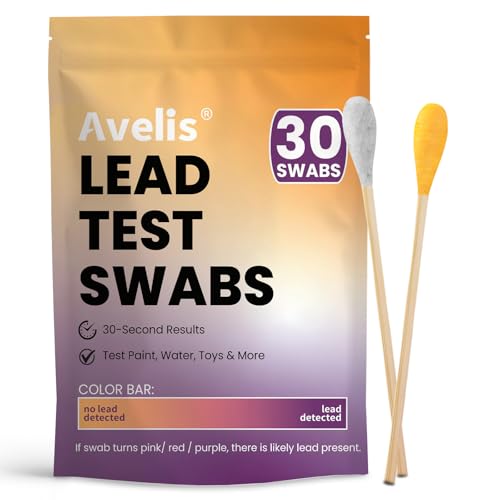
Confidence you can trust: Vinegar-activated testing helps you screen everyday items around your home with more peace of mind
Find Battery Recyclers Near You: Contacts and Resources
Where do I actually take this thing once I’ve decided it’s done for? I’ve got you covered with solid disposal resources that’ll keep your car battery out of trouble and get you back on track.
Here’s where your fellow drivers are finding success:
- Auto parts stores and service shops, most take used lead-acid batteries for recycling at zero cost, no questions asked.
- Local hazardous waste collections, your community runs these programs specifically for items that don’t belong in regular bins.
- The hotline backup, when local options get murky, I dial 800.776.1995 or 630.323.2800 for pickup guidance and recycler connections.
- Regional specialists, in St. John, USVI, locals point to Caravan as their go-to.
U.S. recycling hits 99% material recovery, so you’re joining something that works.
Recommended Products
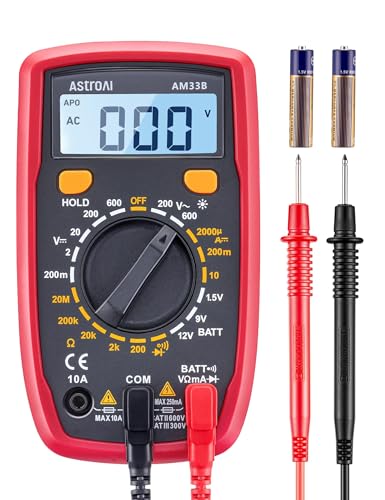
Versatile Digital Multimeter - Accurately measures AC/DC Voltage, DC Current, Resistance, and Diode. This Multimeter is a really useful tool for solving industrial and household electrical issues. Suitable for Household Outlets, Fuses, Batteries (including Vehicles), Automotive Circuit Troubleshooting, Charging Systems, Testing electronics in Cars etc.
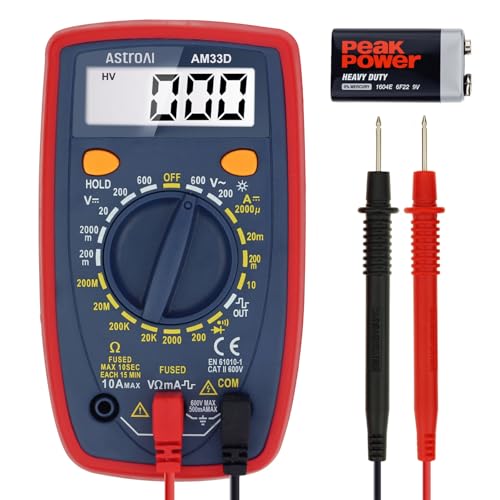
Additional Tips - The following incorrect operations may cause the multimeter not to show results: Firstly, the plugs of test leads are not fully inserted or not inserted into the correct sockets. Secondly, the manual rotary switch is not placed in the correct position. In addition, this meter can not test all AC Current and below 100mV AC Voltage. Please check the user manual carefully before measurement.

What Happens If You Dump It? Fines and Environmental Impact
Why risk a wallet punch and a guilty conscience when tossing a car battery in the trash is flat-out illegal in all 50 states? I learned this the hard way researching disposal options, and the reality stings: hazardous waste violations carry fines ranging from hundreds to thousands of dollars depending on your state and the violation severity.
Beyond the financial hit, you’re poisoning the ground we share. Car batteries leak sulfuric acid and lead, contaminants that seep into soil and groundwater, corroding everything they touch and creating fire risks. I’ve seen what acid damage looks like on garage floors, it’s nasty, permanent, and completely avoidable.
Here’s the smart move: recycling. Facilities recover over 99% of battery materials, turning toxic trash into reusable resources. Most auto parts stores and service shops accept used batteries free, no excuses, no fees. I take mine to the same place I buy replacements, takes five minutes, zero hassle.
Recommended Products
Top Protection for Your Hands: Gastody chemical gloves will offer the highest protection to your hands from solvents, paints, varnishes, stains, cleaners and oils and grease; These chemical gloves for men and women act like a shield against a range of chemicals, domestic and industrial.

Battery Handling mounting board

Complete battery PPE kit includes battery handling mounting board, shield for face protection, goggles for eye protection, gloves, apron, flash light, battery hydrometer, toolkit