
Dealing with a “Service Shifter” warning in your Jeep Cherokee? This frustrating alert often appears unexpectedly, leaving you wondering if it’s safe to continue driving or if you’re facing an expensive repair.
You’re not alone in this struggle. The shifter system in Jeep Cherokees, particularly in models from 2014-2019, is prone to several common issues that trigger this warning. Whether it’s a simple software glitch, a failing shift interlock solenoid, or worn-out wiring, most problems can be diagnosed and fixed without very costly. In this guide, we’ll walk you through the step-by-step process to diagnose, troubleshoot, and repair your Jeep Cherokee’s shifter problems.
Understanding the “Service Shifter” Warning in Jeep Cherokee
The “Service Shifter” warning illuminates on your Jeep Cherokee’s dashboard when the vehicle’s computer detects an issue with the shifting mechanism. This alert specifically indicates problems with the electronic shifter system rather than the transmission itself. Jeep implemented electronic shifters in Cherokee models from 2014 onwards, replacing the traditional mechanical shifter with an electronic version that communicates with the Transmission Control Module (TCM).
Many Cherokee owners report seeing this warning after their vehicle reaches approximately 50,000-70,000 miles. The electronic nature of the system means it’s vulnerable to both electrical and mechanical failures. Common triggers include temperature fluctuations, moisture exposure, or simply wear and tear over time.
When this warning appears, you’ll typically notice additional symptoms accompanying the dashboard alert. Rough or delayed shifting between gears often occurs, making your driving experience less smooth. Some drivers experience their Cherokee getting stuck in a particular gear or defaulting to limp mode, where the vehicle limits performance to prevent further damage. In severe cases, you might find yourself unable to shift out of park position entirely.
Liam Kohn, who specializes in Jeep diagnostics, notes that “Most Cherokee owners panic when they see this warning, but understanding what it means is the first step toward a solution. I’ve helped dozens of customers who thought they needed a new transmission when the issue was actually much simpler.”
The warning doesn’t necessarily indicate a catastrophic failure. In many cases, it stems from relatively minor issues that are fixable without replacing major components. Understanding this distinction can save you thousands in unnecessary repairs.
Common Causes of Shifter Problems in Jeep Cherokee
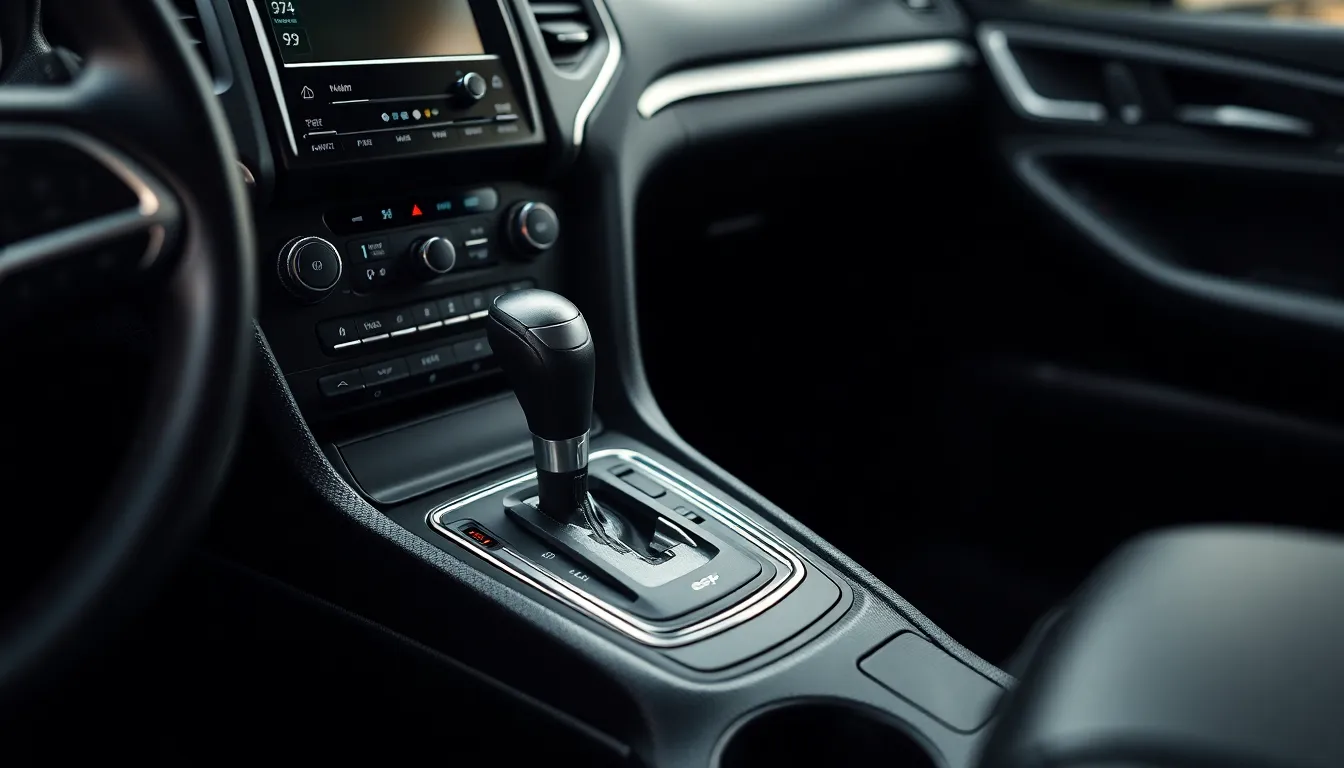
The “Service Shifter” warning in your Jeep Cherokee stems from several common issues with the electronically controlled shifter system. Understanding these root causes helps diagnose and address the problem effectively before it leads to more serious transmission damage.
Electrical Connections and Wiring Issues
Damaged or loose wiring connections frequently trigger the service shifter warning light. Your Jeep’s shifter system relies on a complex network of wires connecting the shifter to the transmission control module, and any interruption in these signals can cause system errors. Wiring harnesses, especially the transmission shifting wiring harness, often fail due to regular wear, vibration, or exposure to moisture and heat over time. Corrosion at connection points can also prevent proper communication between components, resulting in erratic shifting behavior or complete shifter malfunction.
Faulty Shift Interlock Solenoid
The shift interlock solenoid plays a crucial role in your Jeep Cherokee’s safety system by preventing shifting out of park unless the brake pedal is pressed. When this solenoid fails, you’ll notice difficulty moving the shifter from park to drive or experiencing random shifter lockups. Electrical problems within the solenoid or mechanical wear from repeated use can cause the component to malfunction. Expert Liam Kohn notes that many Cherokee owners report intermittent shifter problems before the full failure occurs, with the issue often becoming more noticeable in cold weather conditions.
Brake Switch Malfunction
Your brake switch directly communicates with the shift interlock system, telling your Jeep when it’s safe to shift from park. A faulty brake switch sends incorrect signals to the shifter system, creating confusion in the vehicle’s computer and triggering the service shifter warning. The problem manifests as inconsistent shifter behavior where sometimes the vehicle shifts normally and other times refuses to move from park even with the brake pedal depressed. This component wears out from regular use, with many Jeep owners experiencing brake switch failures around the 60,000-mile mark. Testing the brake switch functionality serves as an essential early step in diagnosing shifter problems.
Tools and Materials Needed for Shifter Repair
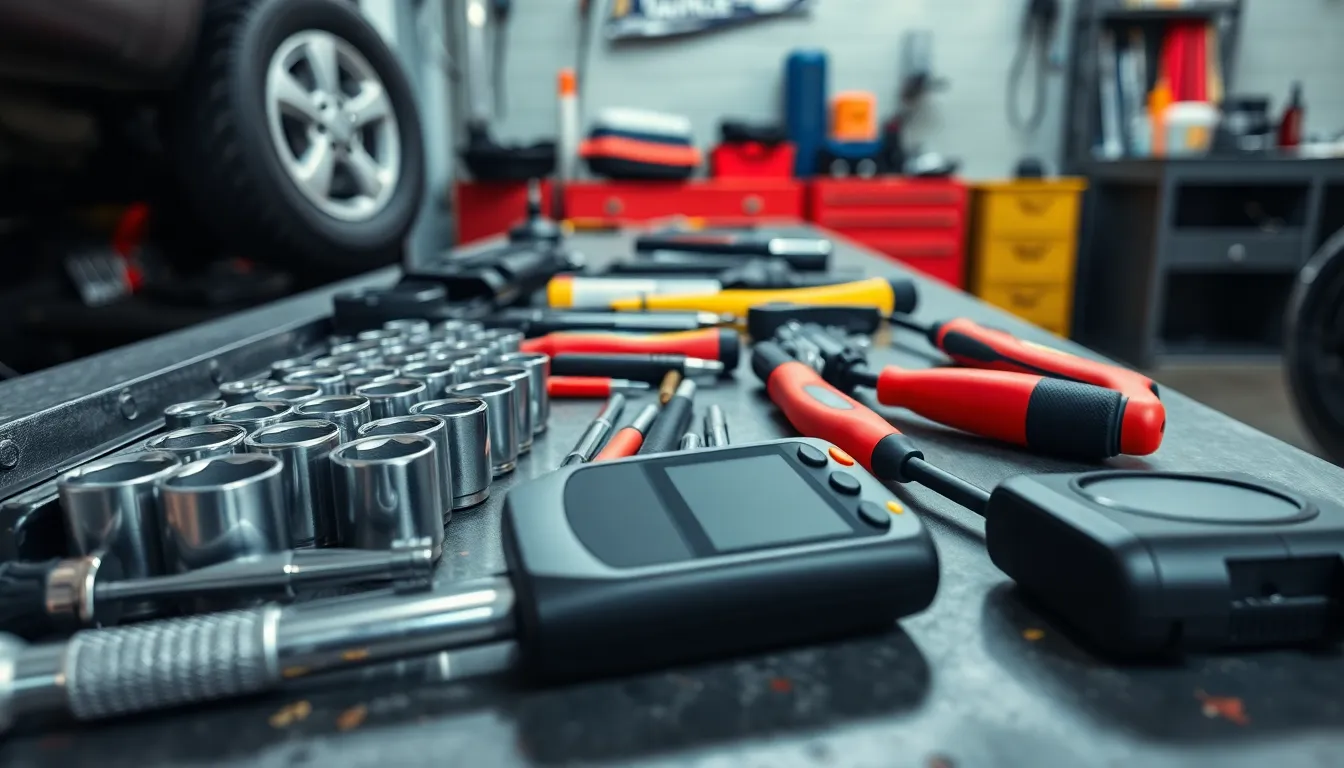
Gathering the right equipment before starting your Jeep Cherokee shifter repair saves time and prevents frustration. Professional mechanics like Liam Kohn recommend having these essential tools and materials on hand:
- Socket set and wrenches for removing components and accessing the shifter mechanism
- Screwdrivers (both flathead and Phillips) to disassemble interior panels and electronic components
- Pliers for gripping and manipulating cables and connectors
- Replacement shift cables or linkage if inspection reveals wear, fraying, or damage
- Transmission fluid exact to your Jeep Cherokee model to top off or replace during repair
- OBD2 scanner or diagnostic tool to read error codes and pinpoint electronic issues
- Electrical tape and wiring repair tools for fixing damaged connections
- Replacement sensors if diagnostic tests indicate sensor failure
- Gloves and safety glasses to protect yourself during the repair process
Many Jeep owners report successful DIY repairs after properly diagnosing their exact shifter issue. One Cherokee owner shared, “Having the right tools, especially the OBD2 scanner, made all the difference in identifying my faulty shift interlock solenoid rather than replacing the entire transmission.”
Your repair approach depends on the exact problem causing the “Service Shifter” warning. Electronic issues typically require diagnostic tools, while mechanical problems need basic hand tools for disassembly and replacement of worn components.
Step-by-Step Guide to Fix the Service Shifter Issue
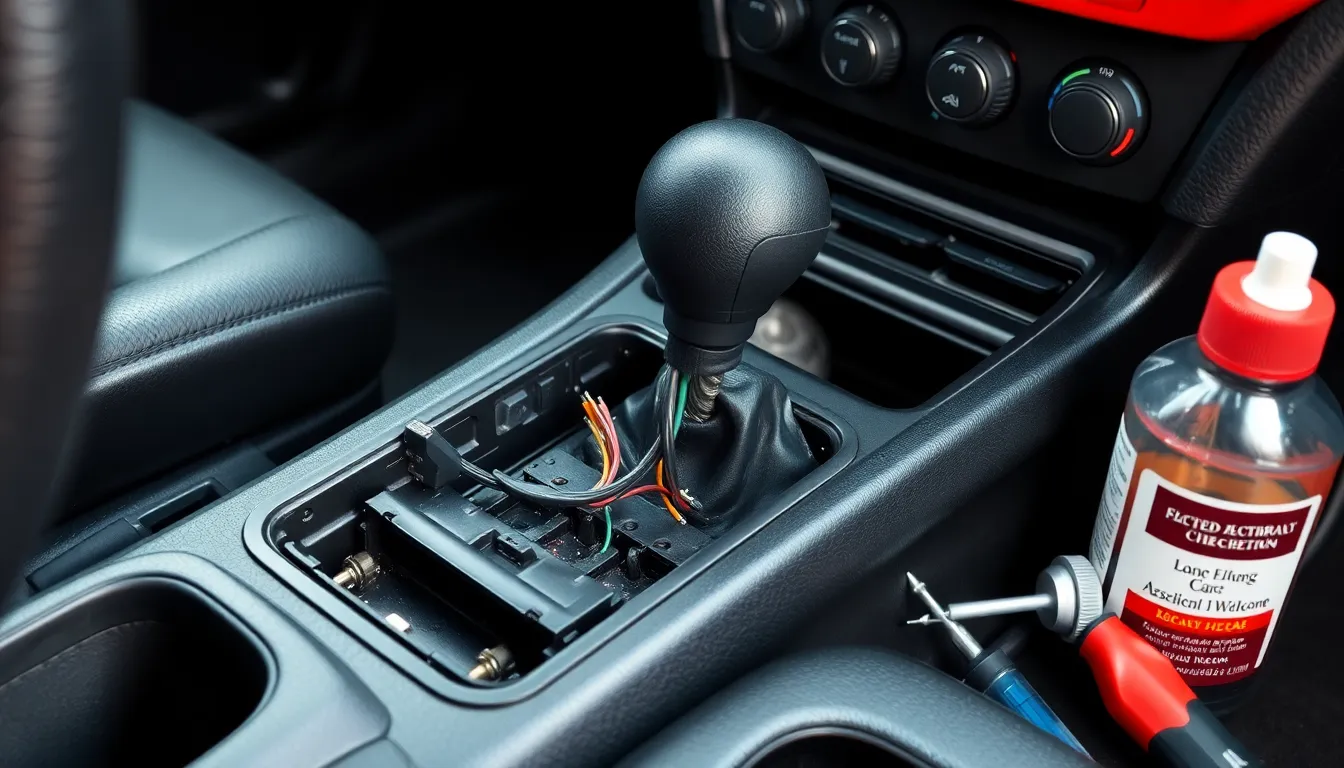
Following these repair steps will help you resolve the “Service Shifter” warning in your Jeep Cherokee. This methodical approach addresses the most common causes of shifter problems and can save you hundreds in unnecessary repair costs.
Accessing the Shifter Assembly
Accessing the shifter assembly requires careful removal of interior components. Park your Jeep Cherokee on a level surface and turn off the engine completely before beginning work. Remove the shifter bezel by carefully prying up the plastic clips or removing screws hidden beneath the console panel. Once you’ve lifted away the bezel, you’ll gain direct access to the important components: the wiring harness and shift linkage that connect to the electronic shifter. Take photos of the original position before disconnecting anything to ensure proper reassembly later.
Inspecting and Cleaning Electrical Connections
Electrical connection problems commonly trigger the “Service Shifter” warning in Jeep Cherokees. Examine all wiring in the shift harness for signs of looseness, damage, or corrosion that might interrupt signals between the shifter and transmission control module. Disconnect each connector carefully, clean the contact points with electrical contact cleaner, and reconnect them firmly until you hear or feel a click. Check the shifter circuit fuse in your fuse box, as a blown fuse often causes the warning to appear. Verify all ground connections are secure and free from corrosion, as poor grounding frequently causes electronic shifter issues around the 60,000-mile mark.
Replacing the Shift Interlock Solenoid
The shift interlock solenoid plays a crucial role in your Jeep Cherokee’s shifting system. Locate the solenoid near the base of the shifter assembly—it’s typically a small cylindrical component with an electrical connector attached. Disconnect the electrical connector by pressing the release tab and pulling gently. Remove mounting screws or clips securing the solenoid to the shifter assembly using your socket set or screwdriver. Install the new solenoid by reversing these steps, ensuring all connections are tight and secure. Reset the system by disconnecting your vehicle’s battery for five minutes after installation to clear any stored error codes. Many owners report this replacement resolves their shifting issues completely, especially when the problem involves difficulty shifting out of park.
When to Seek Professional Help
Recognizing when a shifter issue exceeds DIY repair capabilities saves time and prevents further damage. Basic troubleshooting steps like checking cables, fluid levels, and fuses might not resolve persistent “Service Shifter” warnings. Professional intervention becomes necessary when dealing with complex transmission control module issues or when specialized diagnostic equipment is required.
Certified mechanics possess the expertise to properly diagnose and repair intricate shifter problems. According to expert technicians, continuing to drive with an active warning light can lead to severe transmission damage and significantly more expensive repairs down the road. Transmission specialist Liam Kohn notes, “Many Cherokee owners ignore the warning for weeks, only to face $2,000+ repairs that could’ve been prevented with timely professional assessment.”
Dealership service departments offer factory-trained technicians who understand the electronic shifter system’s complexities. Their access to manufacturer-exact diagnostic tools and software updates often resolves issues that DIY approaches can’t fix. One Cherokee owner reported, “After struggling with intermittent shifter issues for months, the dealership identified a failing transmission control module that no generic scanner could detect.”
Professional help becomes particularly valuable when dealing with shifter bezel or wiring harness replacements. These components require precise installation to ensure proper communication between the shifter and transmission control module. Improperly installed parts commonly lead to recurring issues and potential safety concerns while driving.
Preventing Future Shifter Problems
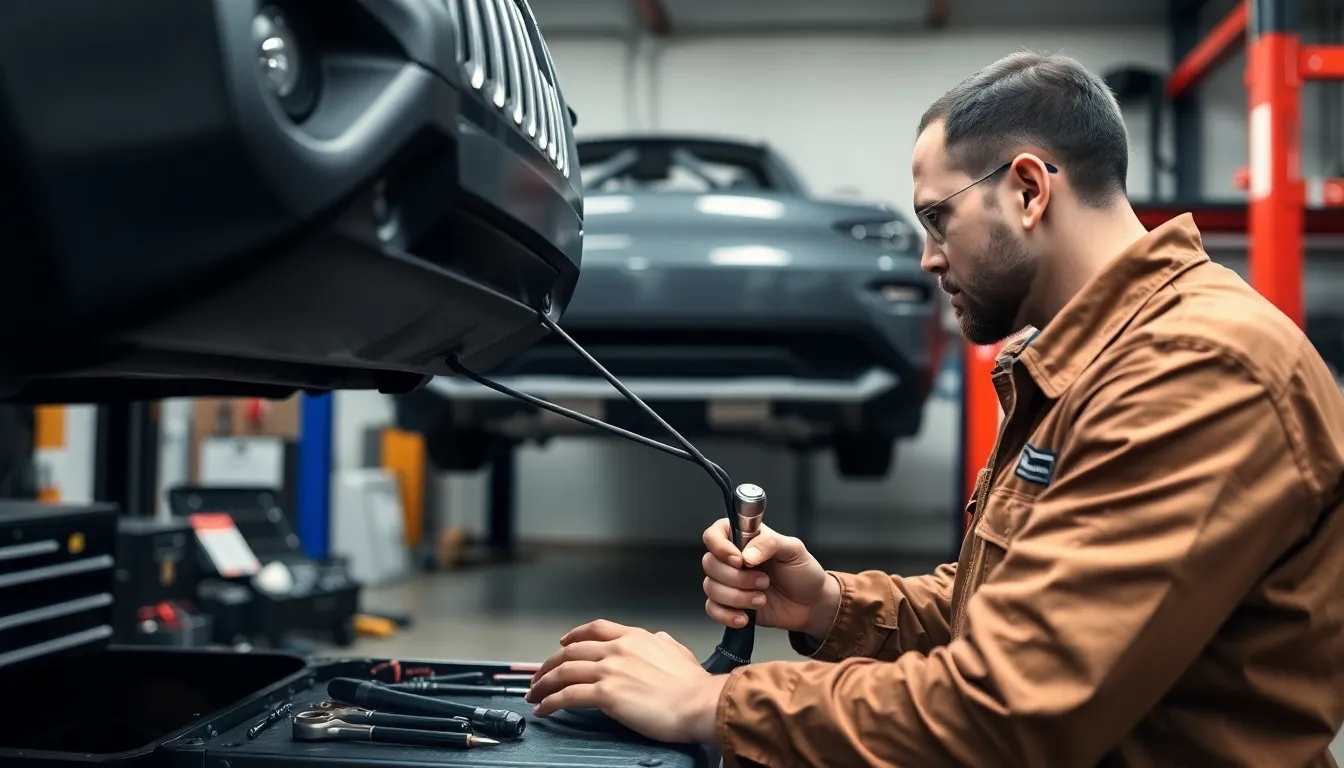
Regular maintenance significantly extends the life of your Jeep Cherokee’s shifter system. Transmission fluid levels require periodic checking—degraded or insufficient fluid directly impacts shifting performance. Expert technician Liam Kohn recommends checking fluid levels every 30,000 miles, noting that “many shifter warnings I’ve seen could have been prevented with basic fluid maintenance.”
Inspect shifter cables and linkage components quarterly for signs of wear, corrosion, or damage. These mechanical parts deteriorate over time, especially in vehicles driven in harsh weather conditions. Many Cherokee owners report that proactive cable inspection saved them from unexpected shifting failures during long trips.
Electrical connections demand special attention in modern Jeep models. Keep all wiring and connectors clean, dry, and properly secured to prevent moisture-related corrosion. Salt and road grime often accumulate around shifter wiring harnesses, creating intermittent electrical issues that trigger the service shifter warning.
Software updates play a crucial role in preventing shifter problems. Jeep periodically releases transmission control module updates that address known issues. Schedule regular visits to your dealership for these updates—many Cherokee owners discovered that software patches resolved their persistent shifter warnings without mechanical intervention.
Respond promptly to any dashboard warnings related to your transmission or shifter system. Early intervention typically prevents minor issues from developing into major mechanical failures. Several Jeep forums document cases where drivers ignored initial shifter warnings, eventually requiring complete shifter assembly replacements that cost over $800.
Conclusion
Fixing your Jeep Cherokee’s “Service Shifter” warning doesn’t have to be intimidating. With the right tools and a methodical approach you can often resolve this common issue yourself before resorting to expensive repairs. Regular maintenance including fluid checks inspecting cables and keeping electrical connections clean will help prevent future problems.
Remember that addressing warning lights promptly can save you thousands in potential transmission damage. For complex issues beyond basic troubleshooting don’t hesitate to consult a certified mechanic.
Your Jeep deserves proper care and sometimes that means knowing when to DIY and when to seek professional help. By following the steps outlined in this guide you’ll be back to smooth shifting and worry-free driving in your Cherokee.
Frequently Asked Questions
What does the “Service Shifter” warning mean in a Jeep Cherokee?
The “Service Shifter” warning appears when your Jeep Cherokee’s computer detects an issue with the electronic shifter system. This alert is common in 2014-2019 models after they reach approximately 50,000-70,000 miles. It can be triggered by temperature fluctuations, moisture exposure, or general wear and tear on the shifter components.
What are the common causes of the “Service Shifter” warning?
Common causes include electrical connection issues (damaged or loose wiring), faulty shift interlock solenoids that prevent shifting out of park, brake switch malfunctions sending incorrect signals to the shifter system, and software glitches. These problems typically occur around the 60,000-mile mark and can cause inconsistent shifter behavior.
Can I fix the “Service Shifter” warning myself?
Yes, many Jeep owners successfully complete DIY repairs. You’ll need basic tools like socket sets, screwdrivers, pliers, an OBD2 scanner, and possibly replacement parts like shift cables or a shift interlock solenoid. The repair typically involves accessing the shifter assembly, inspecting electrical connections, and potentially replacing faulty components.
What symptoms accompany the “Service Shifter” warning?
Common symptoms include rough or delayed shifting, difficulty getting out of park, getting stuck in a gear, or the vehicle defaulting to limp mode. You might also notice inconsistent shifter behavior where it works normally sometimes but acts erratically at other times.
When should I seek professional help for shifter issues?
Seek professional help if basic troubleshooting doesn’t resolve the warning, if you notice transmission fluid leaks, or if the problem involves the transmission control module. Also consider professional assistance if you’re uncomfortable removing interior components or working with electrical systems. Continuing to drive with persistent shifter issues can lead to costly transmission damage.
How can I prevent shifter problems in my Jeep Cherokee?
Perform regular maintenance by checking transmission fluid levels every 30,000 miles, inspecting shifter cables and linkage components quarterly, and ensuring electrical connections remain clean and secure. Also, keep your vehicle’s software updated through Jeep dealerships, as updates often address known electronic issues without requiring mechanical intervention.
Does the “Service Shifter” warning mean I need a new transmission?
No, the warning typically doesn’t indicate a need for transmission replacement. Most shifter issues relate to electrical connections, the shift interlock solenoid, or software glitches. Understanding the root causes can lead to simpler, less costly solutions rather than unnecessary transmission replacements.
How much does it cost to fix the “Service Shifter” warning?
DIY repairs typically cost between $50-$200 for parts like a shift interlock solenoid or wiring components. Professional repairs at independent shops range from $200-$500. Dealership repairs may cost $300-$700 depending on the specific issue. These costs are significantly lower than the $3,000+ for transmission replacement.