Nearly 40% of used car buyers skip a professional inspection, and I’ve seen too many pay for that mistake with blown head gaskets and frame damage they never noticed.
I’ll walk you through the exact steps I use to evaluate a vehicle’s true condition, from decodes in a VIN report to the specific noises that kill deals on a test drive. You’ll know precisely when to walk away and when you’ve found a keeper worth negotiating for.
Match a Used Car to Your Actual Needs
Why do so many buyers end up with a car that looks great but can’t handle their actual commute? I’ve seen it happen, and I’m here to make sure it doesn’t happen to you.
Start with a buyer’s checklist built around your daily reality. I prioritize reliable history over flashy features every time. A used car history report reveals accidents, service gaps, and ownership patterns that affect long-term dependability.
I always schedule a professional mechanic inspection before committing, and I test drive on actual routes I’ll travel, checking acceleration, braking, and comfort. I research maintenance costs for specific makes and models, knowing that some brands drain wallets while others run forever.
My must-haves include passenger space, cargo capacity, and proven dependability. I skip the budget and loan math here, focusing instead on matching real needs to real vehicles.
Recommended Products

Build a Used Car Budget That Covers Everything
Most buyers I’ve watched stumble at the exact same spot: they fixate on the monthly payment and forget everything that comes after. I don’t want you in that trap.
Start your used car budget with the 20/4/10 rule: 20% down payment, financing terms of four years or less, and total monthly vehicle expenses under 10% of your gross income. But here’s where it gets real. Your total cost of ownership stretches far beyond those monthly payments.
Factor in insurance cost, which varies wildly by model and your driving record. Build a maintenance budget of $50–$100 monthly for oil changes, tires, and surprise repairs. Calculate fuel economy against your commute. Set aside an emergency fund for breakdowns.
Recommended Products
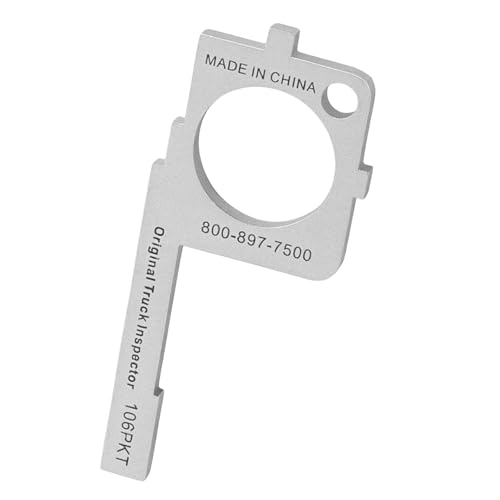
【Enhance Safety】:The truck front inspection tool is capable of performing inspections on tire tread depth, brake lining thickness, brake stroke, and windshield damage to ensure operational safety


OPTIMAL SIZE AND FORMAT: Vehicle inspection form measures 8.5" x 11" with a practical layout, ideal for dealership inspection forms, auto service checklists, repair shop inspection sheets, and automotive inspection pads.
Find Used Cars Worth Your Time (Online and Local)
With your budget locked down, I’m ready to hunt for cars that actually deserve your money. I start by browsing online marketplaces like Autotrader, CarGurus, and Cars.com alongside local dealers and private sellers on Facebook Marketplace. I compare listings within my range, separating must-haves from nice-to-haves. I research fair market value through Kelley Blue Book before contacting anyone.
I won’t skip these essentials:
Pull a used car history report using the VIN to catch accidents, title problems, or rolled-back odometers. Verify fair market value so I don’t overpay before discussing financing options. Schedule a professional vehicle inspection to uncover hidden issues. Arrange a test drive or virtual tour to check real-world performance. Demand transparency from sellers who share detailed photos and welcome independent checks.
Recommended Products

110 Sheets Log Book: This vehicle maintenance log book includes 110 record sheets to track repairs, services, fuel costs, and other vehicle-related expenses. It also comes...
Check If the Asking Price Is Fair
How do I know I’m not getting ripped off? I start by checking Kelley Blue Book and NADA to see if the asking price matches fair market value for the car’s age, mileage, and condition. These guides give me a solid baseline before I negotiate.
I compare dealership listings against private-party sale options. Private sellers often charge less, but I get fewer protections. Price transparency matters here; reputable dealers usually post fixed prices online, which helps me gauge what’s reasonable.
I always ask for the out-the-door price, not just the sticker. Taxes, DMV fees, title, and plates add up fast. I review the history report for red flags like accidents or spotty maintenance that should lower the price. If something feels off, I walk.
Recommended Products
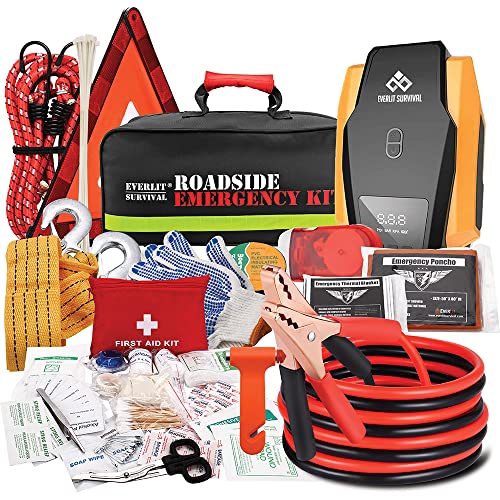
The Road Guardian- The portable roadside assistance kit is designed and hand picked by a group of experienced veterans and experts to provide every essential tools you need in roadside emergencies. The automotive safety bag contains accessories such as repair cable ties, bungee cords, electrical tape, space blanket, rain poncho, reflective warning triangle, glass breaker, seatbelt cutter, safety gloves, tow rope and more to get your vehicle back on the road and continue your travel.

If your car is parked at the scene of an accident waiting to be rescued, you may need this car emergency kit

Pink car emergency kit: This tool set comes with all the most useful and necessary roadside assistance tools. It includes a pink jumper cable, auto tool set, tow rope, safety hammer, reflective triangle and vest, deer whistles, snow shovel, tire pressure gauge, anti-skid gloves, 3 in 1 whistle, raincoat, fully equipped first aid kit, and portable pink storage bag
Read Any Used Car’s History Report for Red Flags
Where do I start when the paperwork looks clean but the car might not be? I grab a vehicle history report using the VIN. It’s like a background check that reveals what sellers might not volunteer. This report exposes past accidents, title issues like salvage or flood designations, and verifies odometer accuracy so I’m not fooled by rolled-back miles.
I watch for these red flags:
- Major accidents that compromised structural integrity
- Salvage or flood titles that kill resale value
- Multiple ownership changes suggesting chronic problems
- Gaps in maintenance records indicating neglect
- Mileage inconsistencies between reported and actual
I cross-check the history report against the seller’s claims and my inspection results. If stories don’t align, I walk. Trust but verify; that’s how I avoid becoming someone else’s problem.
Test Drive With a Mechanic’s Checklist
Before I even turn the key, I’m checking tire tread depth with a quarter, verifying all lights work, and confirming fluid levels aren’t showing metal particles or burnt smells that spell trouble. Once I’m rolling through city grids, sweeping corners, and highway merges, I’m tracking whether the steering stays true without pulling, the brakes bite evenly without shudder, and the transmission shifts smoothly across all gears. I’m also running simultaneous checks on climate control response, window regulator speed, and any warning indicators that flicker under load, knowing these live diagnostics separate a keeper from a money pit.
Recommended Products

Compliant Inspection Records: Meets federal requirements for driver vehicle inspection report books, ensuring your fleet stays audit-ready.

LONG LASTING CONSTRUCTION: Crafted from premium anodized machined aircraft aluminum, these pen flashlights feature solid shock-resistant construction. Anti-wear&scratch-proof design withstands daily drops, bumps and long-term use, sturdy enough for daily carry and heavy-duty work.

Premium Build for Durability - Crafted from aviation aluminum, these pen flashlights are lightweight yet tough. The anodized finish resists wear, making them ideal for mechanics, nurses, doctors, and construction workers. Whether you're using it as a small flashlight for inspection or emergency, it’s built to last.
Pre-Drive Preparations
When exactly should you schedule a test drive? I always plan mine after completing my pre-drive preparations, never before. You need that vehicle history report in hand, and your inspection checklist ready to go.
Here’s what I never skip:
- Verify owners and accidents against the seller’s claims
- Review condition notes from my initial walkaround
- Bring a friend for that second opinion
- Check tire pressure, fluid levels, and warning lights
- Plan my road test route covering highways, hills, and stop-and-go traffic
I take my time. Rushing means missing red flags.
During the actual test drive, I’ll monitor braking feel, acceleration response, and suspension behavior across different surfaces. My goal? Catch problems before they become my problems. Smart buyers verify everything, trust their instincts, and aren’t afraid to walk away.
Exterior Inspection Points
The exterior tells the real story before you ever turn the key. I’ll walk you through my exterior inspection routine so you spot trouble early.
I start with tire tread depth, checking for uneven wear and manufacturing dates. Tires over six years old need replacement regardless of appearance. I scan for mismatched color between panels, a clear sign of collision repair. I crouch low, hunting for rust on undercarriage, wheel wells, and rocker panels where moisture hides.
I circle twice, marking every dent and scratch. I test all exterior lights: headlights, high and low beams, taillights, brake lights, turn signals. I examine the glass closely for windscreen chips and windscreen cracks that spread fast.
Bring a friend for this walk-around. Two pairs of eyes catch misaligned panels and hidden corrosion you’d miss alone.
Driving Performance Tests
Once the exterior checks out, it’s time to see how the car actually behaves on the road. I always schedule my driving performance tests after preliminary checks, hitting city streets, highways, and rough patches to replicate real-world driving conditions. This road test reveals what static inspections cannot.
Here’s what I verify during every test drive:
- Listen for knocks, rattles, or grinding that signal engine or transmission trouble
- Confirm warning lights stay dark after startup
- Assess handling, braking response, and steering feel through quick maneuvers
- Evaluate suspension performance over bumps and uneven surfaces
- Test all interior electronics: climate control, windows, locks, and audio
I bring my mechanic’s checklist and compare findings against the vehicle history report. This methodical approach protects my investment and keeps me in control of the buying decision.
Get a Pre-Purchase Inspection and Negotiate the Deal
Why would anyone skip the final checkpoint before handing over thousands of dollars? I never do, and neither should you.
A pre-purchase inspection (PPI) runs $100–$200 and catches what history reports miss: rust, engine trouble, transmission issues. I always demand a written inspection report and study those inspection findings carefully.
Here’s my red flag test: if a seller hesitates on the PPI, I walk. No exceptions.
With solid data in hand, I negotiate price hard. I use every discovered flaw, prioritizing repair costs in my offer. These final deal adjustments often save me hundreds, sometimes thousands.
After a clean PPI, I corroborate findings against the vehicle history report. Consistency between documented history and current condition confirms I’m buying smart, not sorry.