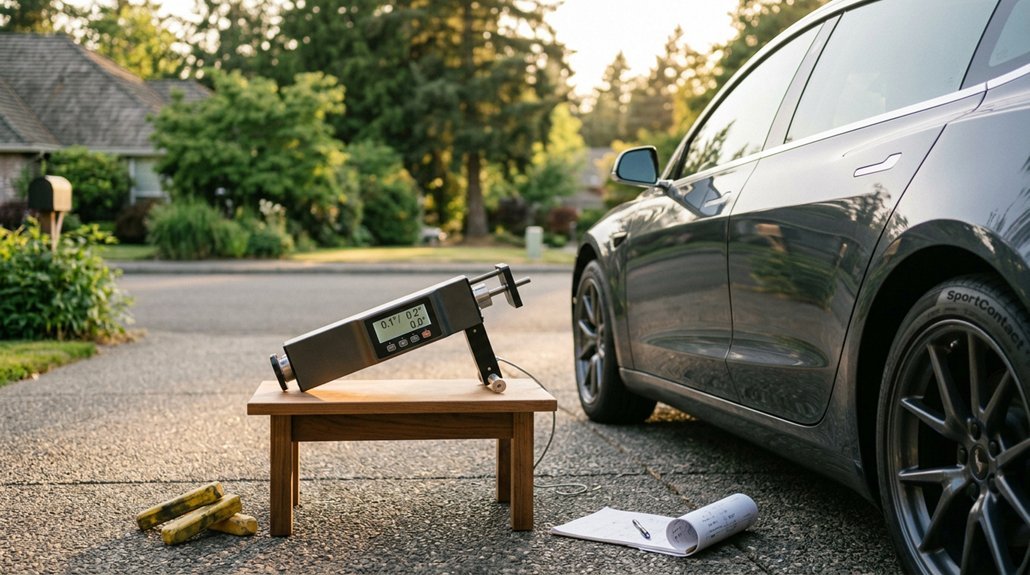
I’ve seen alignment checks run anywhere from $50 to $150 per visit, yet roughly 60% of drivers I talk to can’t recall their last one.
That gap between cost and attention matters because misalignment burns through tires 25% faster, and at $800+ for a quality set, you’re throwing money at rubber dust.
I check mine every 12 months, or immediately after hard curb strikes, pothole seasons, or when the steering wheel sits crooked on straight highways.
Your interval depends on road quality, driving aggression, and whether you haul heavy loads regularly.
The real question isn’t if you’ll need one, it’s whether you catch it before your tires pay the price.
How Often Should You Actually Get a Car Alignment?
How often should you actually get a car alignment? I’ve learned there’s no universal mileage interval that fits everyone. Your alignment frequency really depends on road conditions and how you drive. Rough streets, potholes, and harsh surfaces wear down your steering and handling faster than you’d expect.
I check my alignment annually. It’s cheap insurance against uneven tire wear. Some folks wait until tire changes, which works as a handy inspection reminder. Watch for wear indicators on your tires. They’re telling you something’s off.
Certain vehicles hold alignment better than others. Front-wheel-drive Hondas stay true longer while Jeep Patriots tend to drift. Industry guidance spans from every 20,000 miles to yearly checks. I recommend building it into your regular vehicle maintenance routine. Trust your hands on the wheel, and inspect when something feels wrong.
Recommended Products
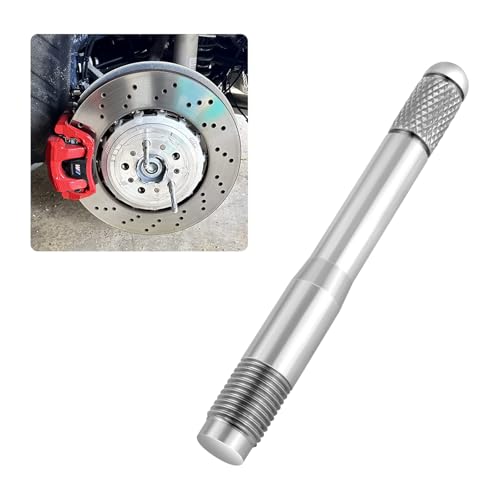
Easy Replacement: Aligning the bolts with the bolt holes by looking into the narrow bolt holes in a wheel repair can be a major headache. Our wheel alignment tool can help you to hold the wheels, avoids sudden wheel dislodgement when removing wheel bolts
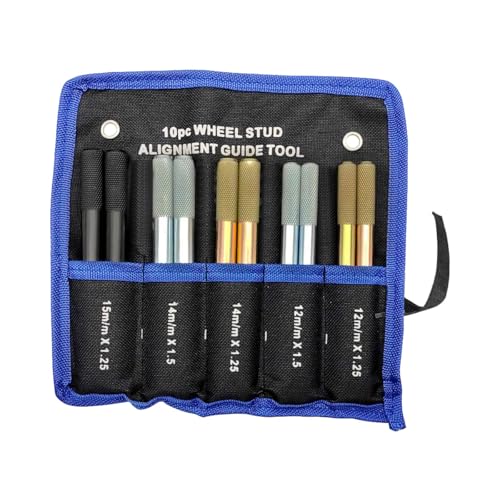
【High-Quality Materials】: The car alignment tool is forged from high-hardness steel, with a surface treated by an anti-oxidation coating, combining excellent wear resistance and anti-deformation ability, resisting erosion from rain, sand, etc., and is not prone to breakage, rust, or damage after long-term use.

Main Characteristics: Our wheel alignment tool is capable of assisting you in resetting the strut to its initial camber position after the suspension has been removed and reinstalled. It can also check the extent of camber variation prior to re-installation. This camber alignment tool is ideal for precisely inspecting the castor and camber angles
What Car Alignment Warning Signs to Watch For
Where should you look first when your car’s alignment starts slipping? I start with the tires, because unequal tire wear tells you everything before you feel anything. Run your hand across the tread; inside or outside edges wearing faster means your wheels aren’t sitting square.
I’ve learned these warning signs appear in stages. Watch for steering pull on flat roads, an off-center steering wheel when you’re driving straight, or drift after potholes that demands constant correction. These aren’t quirks; they’re your car asking for help.
- Unequal tire wear patterns on one edge after new tires signal immediate alignment check needs
- Vibration at speed combined with abnormal steering wheel feedback indicates misalignment progressing
- Any curb impact or suspension damage needs inspection even when handling feels normal
Don’t wait for catastrophic failure.
Recommended Products

Key Features: This wheel alignment tool helps restore the strut to its original camber position after removing and reinstalling components of your vehicle's undercarriage system, or check the amount of camber change before re-installation. Suitable for precise checking of the caster and camber angle

Adjustable and Precision: Mounted on the wheel or brake-disc surface, this adjustable alignment tool features a back-placed responsive knob offering ‑5° to 5° adjustment, accurately restoring the tilt angle after tire or suspension repairs to keep tires in top condition

What Manufacturers and Mechanics Recommend (and Why They Differ)
I typically hear two different stories when I ask about alignment schedules. Manufacturers’ recommendations usually push for an annual check or alignment at tire changes, stressing prevention of tire wear and keeping warranties valid. Mechanics’ practices tend toward a more wait-and-see approach; they’ll suggest alignment only when wear indicators show uneven patterns, you’ve replaced suspension parts, or steering/handling feels off.
I’ve noticed some shops now push four-wheel alignment with every new tire purchase, claiming it optimizes contact patch and longevity. Maintenance intervals vary widely in the real world, some pros suggesting 20,000 miles or two years for vehicles that hold alignment poorly.
The gap makes sense: manufacturers want bulletproof protection against claims, while experienced mechanics know most cars stay true longer than guidelines suggest. Your driving matters more than any fixed schedule.
Recommended Products

UNIVERSAL FIT FOR MOST VEHICLES – Designed for steering wheels with internal diameters from 10.5" (270mm) to 13.4" (340mm). Compatible with passenger cars, vans, and trucks – a versatile addition to any garage or professional workshop .

Alignment tools automotive for aligning that the steering wheel is centralized after making front end adjustments or repairs

Wide Vehicle Compatibility : Adjustable steering wheel holder works with a wide range of cars, trucks, vans, and buses. This 14-inch adjustable steering wheel lock holder is your go-to tool for wheel alignment and balancing jobs—one tool covers different vehicles across your fleet.
How Rough Roads and Winter Driving Speed Up Alignment Needs
Why does a car that tracked perfectly in September feel squirrelly by March? I’ve watched it happen. Rough roads and winter driving tear into suspension geometry faster than most drivers realize.
- Potholes and frost heaves knock toe and camber settings out of spec, creating uneven tire wear you feel before you see.
- Curb impacts from sliding on ice compound the damage, accelerating alignment checks beyond manufacturer timelines.
- Harsh road conditions in northern regions mean annual intervals often aren’t enough; tire warranties reflect this reality.
Even when your car drives straight, hidden camber wear can shred edges silently. I check mine post-winter, because waiting for drift costs more than prevention. Suspension geometry shifts gradually, then suddenly. Trust your hands on the wheel, and your tread depth gauge.
Recommended Products
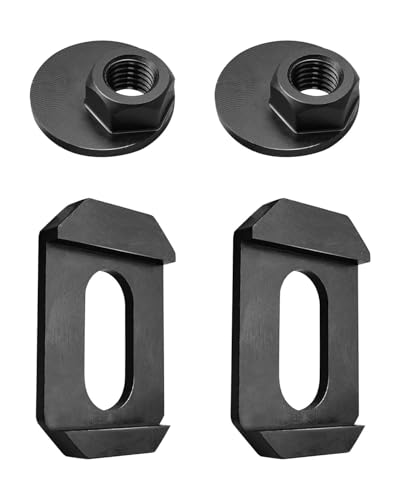
Upgraded Durable Material: Alignment Caster Camber Kit is made of high-quality hardened alloy steel material which is more wear-resistant and durable than ordinary steel, and improves the service life of bolts, save you the trouble of frequent replacement

Solve the Camber Problem: Front control arm bolt kit effectively solves the camber problem, reduces uneven tire wear, steering instability and other problems, and improves driving stability and comfort, let you better enjoy the fun with the car

Wide Replacement Compatibility: Designed as a direct replacement for part numbers including K6716, 13332A, 45K26008, 6183008, AA3696, and W13332A. These camber alignment guide pins offer broad application for suspension service needs
When Lifetime Alignment Plans Actually Save You Money
How much does peace of mind cost when your alignment needs keep shifting? I’ve found lifetime alignment plans, like Firestone’s roughly $250 option, save money only when your driving conditions demand frequent attention. If you’re swapping between winter and all-season tires regularly, or navigating rough roads that throw off your geometry, your per-visit cost drops significantly.
But here’s what I’ve learned: proper maintenance matters more than the plan itself. I compare plans carefully, checking whether four-wheel alignment is included, what wear and parts replacement coverage looks like, and if the warranty transfers.
The truth? If your inspection frequency stays low and alignments come only with new tires, skip it. For heavy drivers with routine tire changes, though, I’ve seen these plans pay for themselves by year two.
Recommended Products

COMPATIBILITY — Fits 1979-1984 Mercury Capri; 1979-1993 Ford Mustang; 1985-1988 Chrysler Town & Country; 1985-1988 Dodge Aries; 1985-1988 Plymouth Reliant.

COMPATIBILITY – Fits 2022-2023 Ford F-150 Lightning; 2007-2023 Ford Expedition; 2004-2023 Ford F-150; 2006-2008 Lincoln Mark LT; 2007-2023 Lincoln Navigator

Precise Measurement: This magnetic measuring tool can measure the camber of wheels or brake discs and accurately read the tilt angle. After tire and suspension disassembly and repair, it helps you restore the shock absorbers and wheels to their original factory camber position, ensuring precise wheel alignment