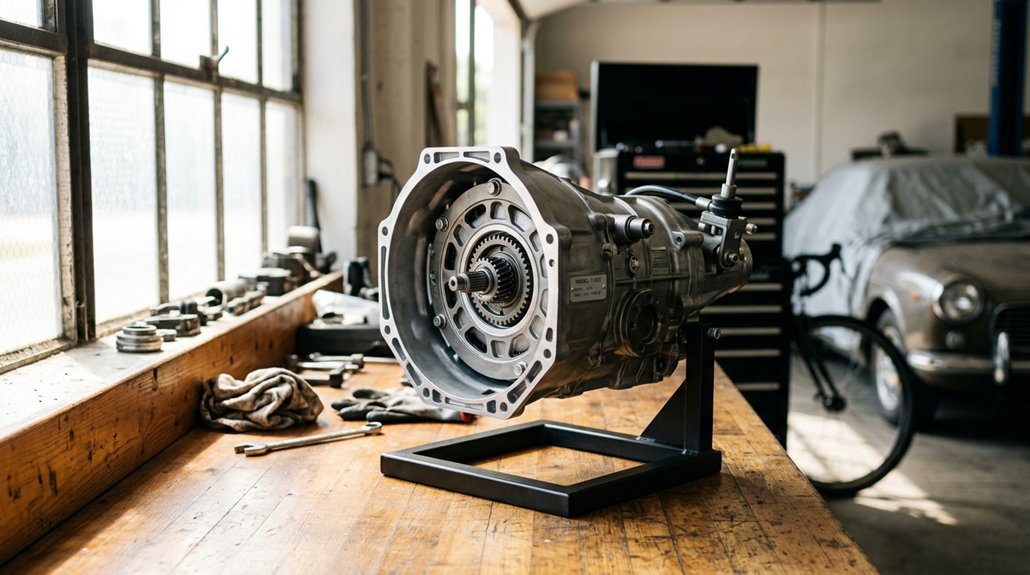
I’ve seen transmissions last anywhere from 80,000 to over 300,000 miles, and the gap comes down to three things: what type you’re running, how hard you push it, and whether you actually service the fluid. Automatics, manuals, CVTs, and heavy-duty units all wear differently, with heat being the silent killer across the board.
I test vehicles across towing cycles, hot commutes, and stop-and-go traffic, and I’ve watched neglected fluidedturn a 200,000-mile gearbox into a rebuild at 120,000. Most failures give you warning signs early, and catching them saves thousands. Your maintenance records, driving style, and a few quick checks at home will tell you exactly where your transmission stands.
Transmission Lifespan by Type: What to Expect From Your Gearbox
How long should you really expect your transmission to hold up? Your transmission lifespan depends heavily on what type of gearbox you’re running.
I’ve seen automatic transmission units reliably hit 150,000 to 200,000+ miles when you stay on top of fluid service and heat management. Manual transmission setups stretch even further, commonly reaching 150,000 to 250,000+ miles. CVT technology shows more sensitivity, typically managing 100,000 to 180,000 miles due to stricter thermal limits.
Your maintenance history tells the real story. I’ve watched identical models diverge dramatically based on service records alone. Heat, fluid condition, and driving environment create wear and tear patterns that define actual longevity.
Maintenance records reveal the truth—identical models age differently based on care, heat exposure, and wear patterns alone.
Heavy-duty truck transmissions demonstrate what’s possible: 200,000 to 400,000+ miles with proper cooling and scheduled service. Dual-clutch transmissions occupy the middle ground at 120,000 to 200,000 miles, contingent on correct fluid specifications.
Recommended Products

If any item is missing from the kit, please contact us directly and we will ship it ASAP!

5 x 1L ATF (OE Spec) - Made in Germany

Genuine Parts Direct fit replacement 10 quarts of updated Mercon LV fluid
Habits That Extend or Shorten Transmission Life
What separates a transmission that fails at 80,000 miles from one that sails past 200,000? It comes down to driving habits and disciplined maintenance.
I’ve seen aggressive acceleration chew through clutches in half the expected service life. Stop-and-go traffic without proper heat management cooks fluid, accelerating wear on bands and friction plates. Towing heavy loads without tow/haul mode or supplemental cooling? That’s a recipe for premature rebuilds.
Gentle, smooth shifts reduce mechanical stress. I follow manufacturer fluid changes intervals religiously, shortening them to 30,000 miles under severe service conditions.
Small leaks demand immediate attention. They invite aeration, pressure loss, and expensive damage. Using the correct fluid specification matters more than brand loyalty.
Well-maintained units routinely outlast neglected transmissions by 100,000 miles. The difference isn’t luck; it’s care.
Recommended Products

【Multiple Applications】This transmission fluid pump fits standard quart bottles come with 28mm bottle cap,with an 8cc per pump stroke capacity,Suitable for dozens of uses including oil changes,siphoning gasoline,and transferring a wide range of fluids such as engine oil, biodiesel, kerosene, or shampoo,detergent.
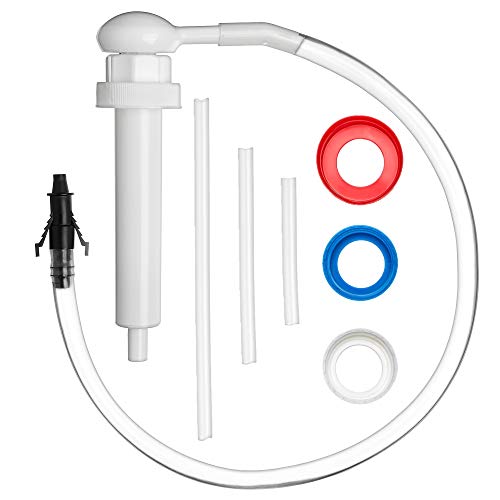
🚙Pumps 1 FULL OUNCE (30cc) per pump stroke. Pumps an entire quart in 32 strokes. DOES NOT FIT STANDARD QUART BOTTLES

Fluid Transfer without Friction - the Thorstone syringe style liquid extractor comes with extension tubes with 0.24 inch OD and 0.32 inch OD, which are up to 40 cm long when connected and are long enough to remove hard-to-reach areas for removing and changing transmission fluid, power steering fluid, transmission oil, frost protection and brake fluid.
Quick Transmission Checks You Can Do at Home
The simplest transmission diagnostics don’t require a lift or scan tool, just a few minutes in your driveway and some attention to detail. I always check my transmission fluid on a flat surface with the engine warm, following the owner’s manual for dipstick or no-dipstick procedures. Low fluid kills life expectancy fast.
I scan underneath for any fluid leak on cooler lines or the pan. Even small drips matter. Burnt, foamy, or metallic fluid screams internal wear or aeration. Sweet odors hint at trouble too.
During a quick road test, I listen for warning signs: slipping, delayed engagement, harsh shifts, or clunks when the gear ratio changes. These often reveal clutch issues before they strand you.
I grab quick videos of rpm flare or leak locations. This documentation helps my technician reproduce symptoms and protects my investment.
Recommended Products

【HIGH PERFORMANCE】The CVT transmission oil pan plays a vital role in maintaining the efficiency, longevity, and reliability of the CVT system by managing fluid storage, lubrication. Regular maintenance, such as filter changes and inspections, is essential to ensure its proper function.Equipping with O-rings to prevent leaks and ensure a secure, airtight connection.

The exact original equipment manufacturer fluid that your vehicle came with; use where nissan cvt ns-3 fluids are required in nissan, infiniti, and other make vehicles

Enhanced friction durability for smooth transmission performance
Warning Signs Your Transmission Is Failing
Why wait for a breakdown when your transmission practically shouts for help? I watch for warning signs every time I drive, and you should too.
That check engine light isn’t just decoration. When it glows, I’m checking for transmission failure causes like low fluid, solenoid issues, or sensor faults. Ignore it, and you’re inviting bigger bills.
A slipping transmission feels like betrayal. Your engine revs, speed barely climbs. I’ve felt that delay, that harsh engagement, that gear bang. It screams internal wear or valve body problems.
Then there’s the burnt transmission odor. That acrid smell means overheating; severe stress. Pull over. Seriously.
Finally, listen for transmission noises. Whining, grinding, clunking during shifts? That’s metal crying for help. Get professional diagnostics before limp mode strands you somewhere inconvenient.
Recommended Products

[Vehicle Fitment]: Suitable for most car

【40,000 GVW Heavy-Duty Cooling】 LPD47391 40k transmission cooler is designed for demanding towing and heavy-load applications, helping reduce transmission fluid temperatures in trucks, SUVs, RVs and other compatible vehicles.

[Application and Compatibility] - The LPD47391 40k Transmission Oil Cooler Kit is specifically designed for heavy-duty vehicles. It is capable of handling a maximum gross vehicle weight (GVW) of 40,000 pounds, making it suitable for various types of large commercial trucks, trailers, and towing vehicles.
Repair, Rebuild, or Replace: Making the Right Call
When your transmission starts acting up, I’ve learned the real question isn’t just what’s wrong. It’s whether you’re throwing good money after bad.
Start with a solid diagnostic. I check for leaks, note when symptoms hit, and grab a fluid sample before heading to the shop. A good tech combines scan data, road testing, and pressure/temperature readings to map the damage.
Sometimes a simple fluid and filter service saves you from a full rebuild or replacement. I’ve seen it work.
If the core’s still rebuildable and you’ve found a trusted shop, a rebuild replaces wear parts and gets you specific repairs. For extensive internal damage, a remanufactured or used unit offers quicker turnaround.
Weigh your options. The right call keeps you rolling without breaking the bank.
Recommended Products

One application of oil and fuel system UV leak detection dye

Easily Identify & Locate Leaks - 75+ tests per kit! This pool leak detection kit delivers a High-Contrast dye that easily traces flow paths. It stands out against light and dark surfaces, making it just as effective as traditional blue dyes on light-colored backgrounds. This superior pool dye formula holds together underwater, ensuring easy & accurate leak detection
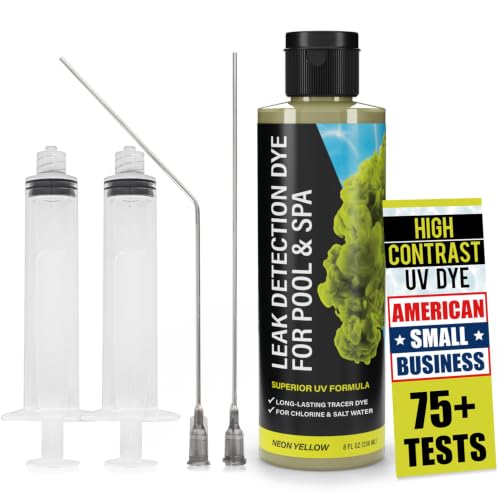
Easily Identify & Locate Leaks: 75+ tests per kit! This pool leak detection kit delivers a High-Contrast UV dye that glows brightly in sunlight and under UV light. It stands out against light and dark surfaces, making it just as effective as traditional blue dyes on light-colored backgrounds. This superior pool dye formula holds together underwater, ensuring easy & accurate leak detection