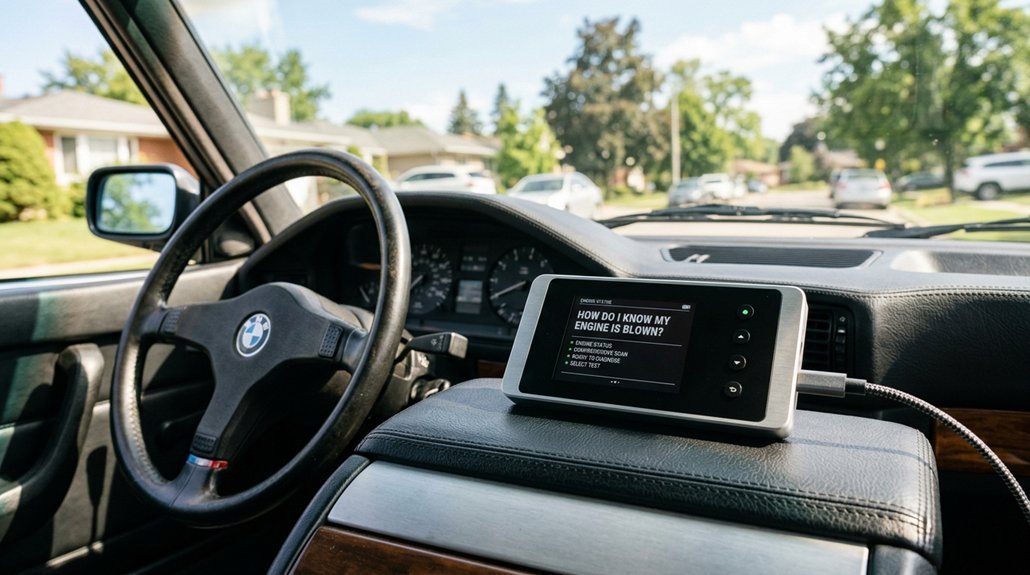
I’ve seen engines fail in every way imaginable, and I’ve learned the warning signs hit before the final bang. You’ll hear it first: a deep, rhythmic knock that speeds up with your RPM, or worse, a chaotic clatter that sounds like metal marbles in a blender. Power drops off suddenly, like someone flipped a switch, and sometimes the starter just grinds against silence.
I always pop the hood next. Look for cracks spidering across the block, oil pooling where it shouldn’t, or coolant mixing into chocolate-milk sludge on the dipstick. Smoke tells its own story: blue means burning oil, white signals coolant leaking into cylinders, black screams rich fuel or internal damage.
I’ve made the mistake of pushing through overheating once, never again. When temps spike past 240°F, you smell burning, or fluids pool beneath you, shut it down and call a tow. Mechanics will run compression tests, checking if cylinders hold pressure, verify oil pressure at idle and RPM, and scan for codes that reveal the real damage. I’ll walk you through each diagnostic step so you know exactly what to expect before that shop bill arrives.
Sounds That Signal a Blown Engine
How do you know when your engine has crossed the line from “troubled” to “terminal”? I’ve learned to trust my ears first. Engine knocking that sounds like metal hammering metal, that’s your blown engine warning. I’ve heard it myself, a deep, rhythmic pounding that no healthy motor makes.
These diagnostic sounds don’t lie. A sharp engine noise during acceleration, followed by sudden power loss, tells you something catastrophic happened inside. I always tell fellow drivers: if you hear persistent knocking and your car won’t turn over afterward, you’re likely facing internal damage.
The sound changes from mechanical rhythm to chaotic banging. That’s when you know. No guesswork needed. Your engine just told you everything, and the message isn’t good.
Recommended Products

CEL Doctor: The ANCEL AD310 is one of the best-selling OBD II scanners on the market and is recommended by Scotty Kilmer, a YouTuber and auto mechanic. It can easily determine the cause of the check engine light coming on. After repairing the vehicle's problems, it can quickly read and clear diagnostic trouble codes of emission system, read live data & hard memory data, view freeze frame, I/M monitor readiness and collect vehicle information.

【Diagnose Check Engine Light in Seconds – No Mechanic Needed】The FOXWELL NT301 OBD2 scanner instantly reads & clears engine fault codes (DTCs) with one click. Simply plug into the 16-pin DLC port, turn ignition on, and get accurate results within seconds—No prior car knowledge required. Save hundreds on dealership fees by knowing exactly what’s wrong before you visit a shop. The #1 choice car scanner for DIYers and car owners who want to take control of their vehicle’s health

UNDERSTAND YOUR CHECK ENGINE LIGHT – The ANCEL AD410 OBD2 scanner helps everyday drivers quickly read and clear engine-related fault codes, view code definitions, and understand why the check engine light is on before visiting a repair shop. With 42,000+ built-in DTC lookups, this car code reader helps reduce guesswork and makes basic vehicle diagnostics easier for beginners and DIY users
Visible Damage and Fluid Leaks to Inspect
Where should you start when sounds aren’t telling the whole story? I pop the hood and get my hands dirty, because visible engine damage rarely hides from a careful eye.
I look for cracks or holes in the engine block, clear evidence that internal components failed catastrophically. An oil leak shows up as dark brown or black fluid weeping from seals, gaskets, or the oil pan, often pointing to bearing or pump problems.
Coolant leak evidence matters just as much: milky oil, frothy residue under the cap, or rainbow sheen in the radiator signal head gasket failure.
- Coffee-colored oil on the dipstick means coolant contamination
- Oil sprayed across belts and undercovers indicates internal pressure breaches
- Steam rising from the valve cover suggests fluid where it shouldn’t be
Catch these signs early, and you’ll know exactly what you’re facing.
Recommended Products
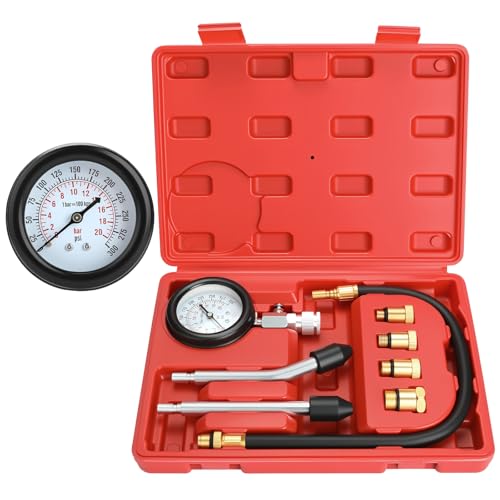
Checking Compression On Petrol Engine Quickly And Accurately

【Deluxe Design Set】: Complete package for compression testing on gasoline engines, comes with 4 adapters of standard and specialty, and 16-inch flex hose gauge assembly with quick coupler, all firmly stored in the deluxe case.

Professional Tester Kit: Our engine cylinder compression tester kit helps you measure pressure on gasoline engine cylinder quickly and accurately. Made of choice materials and treated with rust prevention and corrosion prevention, sturty and time-proof
Smoke Colors That Reveal Engine Failure
When I’m chasing down engine problems, exhaust smoke color tells me what my ears might miss. Blue smoke means I’m burning oil, usually from worn piston rings or valve seals letting oil slip into the cylinders. That sweet smell confirms it, and I know internal damage is chewing through my engine’s life.
White smoke signals a coolant leak, most often a blown head gasket or cracked block mixing antifreeze with combustion; that’s engine failure knocking hard. Black smoke points to a rich fuel mixture flooding the cylinders, less catastrophic but still demanding attention.
Any burning odor accompanying these colors, acrid or sweet, means I’m calling my mechanic immediately. Visible exhaust smoke never lies, it’s my engine’s distress signal, and I don’t ignore it.
Recommended Products

Direct replacement - this engine oil dipstick tube is designed to match the fit and function of the original tube on specified vehicles

12 inch dipstick tube

【OEM Design】This engine oil dipstick replaces OEM#CJ5Z-6750-A, made of quality materials, meet or exceed OEM standards, it a perfect replacement for aged or damaged original oil dipsticks
When to Stop Driving and Tow Immediately
Why risk a $5,000 engine rebuild when a $150 tow truck saves the day? I learned this lesson the hard way, and I’m here to keep you from making my mistake. When engine trouble strikes, knowing when to stop driving and call for towing separates smart owners from those facing catastrophic engine damage.
Certain symptoms demand immediate action. I’ve compiled the critical warning signs that leave zero room for hesitation:
- Loud, persistent knocking from the engine block, which signals severe internal damage before total failure
- Visible smoke from the engine bay paired with a climbing temperature gauge, indicating overheating you cannot ignore
- Coolant or oil pooling beneath your vehicle, or that sweet burning smell wafting through your vents
Don’t gamble with your engine. Stop driving, preserve what you have left, and get professional help immediately.
Recommended Products
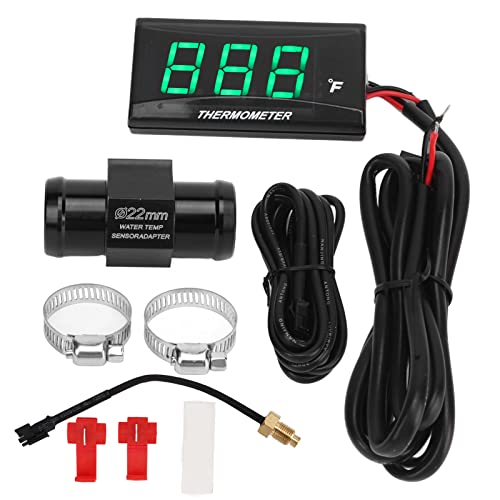
Accurate data: Our motorcycle water temp gauge has less error measurement accuracy. The automotive replacement water temperature gauges measure the temperature display range from °F to 248°F. If the temperature is higher than 248°F, the water temperature gauge will warn

Easy Installation with Universal Compatibility:Features a standardized NPT 1/8" sensor thread for hassle-free mounting in most systems, paired with 12V DC power compatibility (common in cars, boats, and small machinery) for plug-and-play convenience

【HIGH ACCURACY】: Measurement range is 100-300F(38-150C),Sensor mounting thread: NPT 1/ 8 ",Power: 12V,24V DC, Max. 0.3A.
How Mechanics Confirm Engine Damage
Once you’ve made the smart call to stop driving and get your car towed, the real investigation begins. I watch mechanics dig into the evidence to confirm what fear already suggested.
They start with diagnostic tools, plugging into your car’s computer to read codes while listening for that persistent knocking from deep inside. I’ve learned that blue, white, or black smoke tells its own story, especially when coolant and oil start mixing where they shouldn’t.
A compression test becomes the truth-teller. Mechanics check each cylinder’s pressure, looking for readings that fall flat, revealing blown gaskets or cracked rings. Oil pressure checks catch starvation before it becomes catastrophic.
The seized engine leaves no doubt. When the crank won’t turn by hand, or a hole stares back from the block, the verdict is final: true engine damage confirmed.
Recommended Products

Multi-Functions - Practical Multi-Functions OBD2 code reader features built-in OBD2 DTC lookup library, which help you to determine the cause of the engine light, read code, erase code, view freeze frame, I/M ready, vehicle information, data flow, real-time curve, get vehicle speed information, calculate load value, engine coolant temperature, get engine speed.
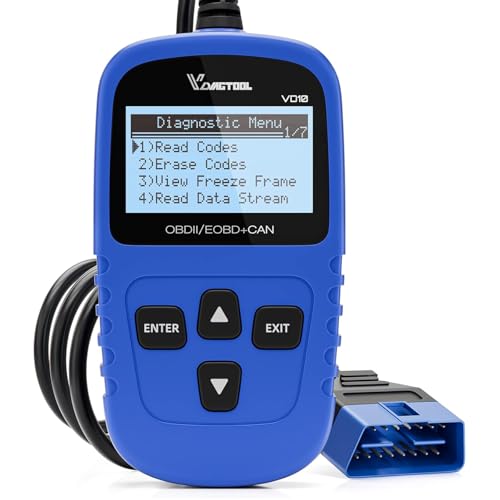
【A MUST-HAVE TOOL FOR DIYERS】 - VDIAGTOOL VD10 car code reader is an incredibly useful obd scanner for each car owner or hobbyist, even for those with little to no experience when it comes to vehicle mechanics! Similar to a fixd car diagnostic tool, using this car diagnostic scanner is extremely easy. All you have to do is attach it to your car OBDII port and you can diagnose car problems in seconds! Read Codes (DTCs); Clear Codes; Live Data; View Freeze Frame; I/M Readiness; Vehicle Information.

OBD2 SCANNER & BATTERY TESTER IN ONE – The INNOVA 5210 OBD2 scanner not only reads and clears check engine light and ABS codes (coverage may vary) but also functions as a car battery tester to check alternator health and prevent unexpected breakdowns.