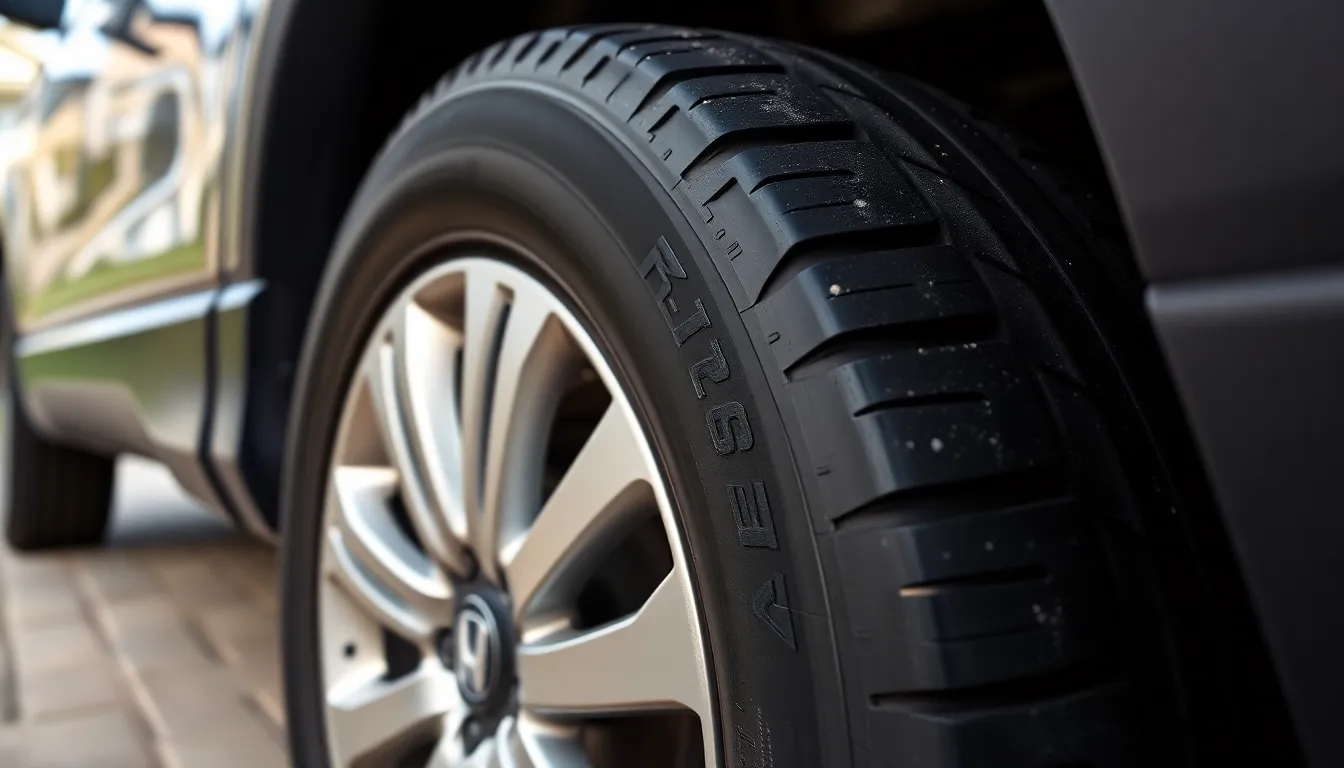
Wondering about the correct Honda CR-V tire size for your vehicle? Finding the perfect fit isn’t just about aesthetics—it’s crucial for your safety, fuel efficiency, and overall driving experience.
Your Honda CR-V’s optimal tire size depends on its exact model year and trim level. Whether you’re replacing worn tires or upgrading for better performance, understanding the manufacturer’s recommendations is essential. The right tires will ensure proper handling, braking distance, and speedometer accuracy while maximizing your SUV’s potential on any road condition.
Understanding Honda CR-V Tire Sizes
Honda CR-V tire sizes typically follow a standardized format that provides essential information about the tire’s dimensions and characteristics. Decoding these numbers helps you select the right replacement tires for your exact CR-V model.
A typical tire size for a Honda CR-V appears as something like “235/65R17” on the sidewall. This code contains crucial measurements that determine how the tire fits and performs on your vehicle.
The first number (235) represents the tire’s width in millimeters from sidewall to sidewall. CR-V models across different generations use various widths, typically ranging from 215mm to 235mm depending on the trim level and year.
Following the forward slash, the second number (65) indicates the aspect ratio – the height of the sidewall as a percentage of the width. Lower aspect ratios create a shorter sidewall and generally provide better handling but a firmer ride.
The letter “R” signifies the tire’s construction type, with R standing for “Radial” – the most common construction method in modern tires. Radial tires have layers running perpendicular to the direction of travel, improving stability and tread life.
The final number (17) represents the wheel diameter in inches. Honda CR-Vs typically use 16, 17, 18, or 19-inch wheels depending on the model year and trim level. Higher trims often come with larger wheel diameters for aesthetic appeal and potentially improved handling.
Many CR-V owners don’t realize that additional markings after these numbers indicate the tire’s load index and speed rating, which must match or exceed the manufacturer’s specifications for safety. For example, “94H” means the tire can safely carry up to 1,477 pounds at speeds up to 130 mph.
I recently helped a customer who bought incorrect tires for their 2019 CR-V Touring, not realizing it required the 235/55R19 size rather than the 235/65R17 used on lower trims. The improper fit caused speedometer inaccuracy and handling issues until we corrected it with the right size.
Honda CR-V Tire Size Charts by Model Year
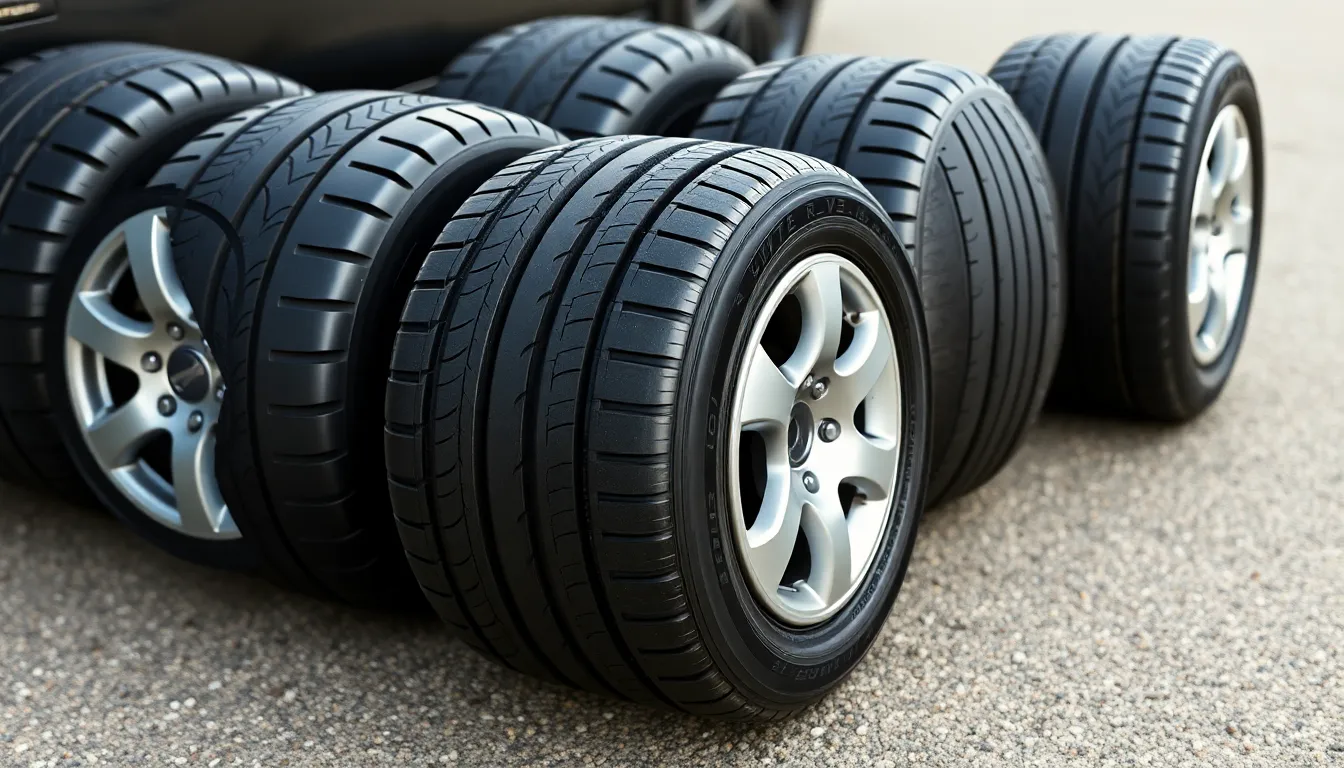
Honda CR-V tire sizes vary significantly across different generations of this popular SUV. Each model year range has exact tire dimensions that work best with the vehicle’s design, suspension, and performance characteristics.
2017-2023 Honda CR-V Tire Sizes
The latest generation Honda CR-V models typically come equipped with 18-inch wheels. 235/60R18 is the most common stock tire size for these newer models, with an approximate diameter of 29.1 inches. Compatible alternative sizes include 245/60R18, 235/65R18, and 245/65R18, ranging from 29.5 to 30.5 inches in diameter. Most of these tire options fit within the stock wheel wells without requiring modifications, though some larger sizes might need minor adjustments for optimal performance.
2012-2016 Honda CR-V Tire Sizes
Fourth-generation CR-V models feature either 225/65R17 or 225/60R18 tires as standard equipment, depending on the trim level. Higher-end trims generally came with the 18-inch wheel package, while base models utilized 17-inch wheels. Optional larger tires such as 245/65R17, 235/70R17, and 235/60R18 can fit these models with minor modifications. The overall diameter of these tires ranges from approximately 28.4 inches to 30.2 inches, offering versatility for different driving conditions and preferences.
2007-2011 Honda CR-V Tire Sizes
The third generation CR-V moved to larger wheels compared to earlier models. 225/65R17 was the standard tire size across most trims during this period, featuring 17-inch wheels. For owners looking for more ground clearance or off-road capability, alternatives like 235/70R16 and 225/75R17 have proven compatible, especially for lifted setups. These tire options provide enhanced performance for drivers who frequently encounter rough terrain or adverse weather conditions.
1997-2006 Honda CR-V Tire Sizes
The first and second generation Honda CR-V models started with smaller wheel diameters. From 1997 through the early 2000s, 205/70R15 was the standard tire size for LX, EX, and SE trims. Around 2005-2006, Honda began transitioning to 215/65R16 tires on newer trims, replacing the 15-inch wheels with 16-inch options. These early CR-V models established the vehicle’s reputation for reliability and versatility, with tire sizes offering a good balance of comfort and capability for the compact SUV segment.
OEM vs. Aftermarket Tire Options for Honda CR-V

Honda CR-V owners face important decisions when replacing tires, balancing between manufacturer-recommended options and aftermarket alternatives. Understanding the differences between OEM and aftermarket tire options helps you make informed choices based on your driving needs and preferences.
Factory-Recommended Tire Specifications
Honda designs CR-V OEM tires specifically to complement the vehicle’s engineering, ensuring optimal performance across multiple factors. The factory tire sizes vary significantly by model year and trim level, with several standard configurations across recent generations. For 2016 CR-V models, EX and EX-L trims (both 2WD and AWD) came equipped with 225/65R17 tires, while LX trims featured 215/70R16 and Touring trims used 225/60R18 tires. The 2017 CR-V introduced larger tires, with LX trims using 235/65R17 and higher trims (EX, EX-L, and Touring) typically running 235/60R18 or 235/55R19 depending on drivetrain configuration. More recent models, such as the 2022 CR-V, standardized with 235/60R18 all-season tires mounted on 18-inch wheels across most trim levels. These factory specifications represent Honda’s extensive testing to balance ride comfort, noise levels, fuel efficiency, and handling characteristics.
Popular Aftermarket Tire Upgrades
Aftermarket tires open up customization possibilities that factory options don’t provide, giving CR-V owners flexibility to address exact driving conditions or preferences. Many CR-V owners commonly upgrade from 225mm to 235mm width tires for improved grip and stability, particularly for all-weather driving. Maintaining similar overall diameter remains crucial when making aftermarket changes, as important deviations affect speedometer accuracy, ABS functionality, and overall vehicle dynamics. Tires with enhanced winter performance represent popular upgrades in colder climates, offering superior traction compared to the all-season tires Honda typically installs at the factory. Performance-oriented drivers often select aftermarket options with higher speed and load ratings than OEM specifications, though these must remain compatible with the vehicle’s suspension and braking systems. Specialty all-terrain tires appeal to CR-V owners who regularly venture onto unpaved roads, providing better off-road capability while still maintaining acceptable on-road comfort. Remember that even modest size changes (like going from 225/65R17 to 235/65R17) require verification that the new tires won’t cause rubbing or interference with the vehicle’s body or suspension components.
How to Read Honda CR-V Tire Size Information
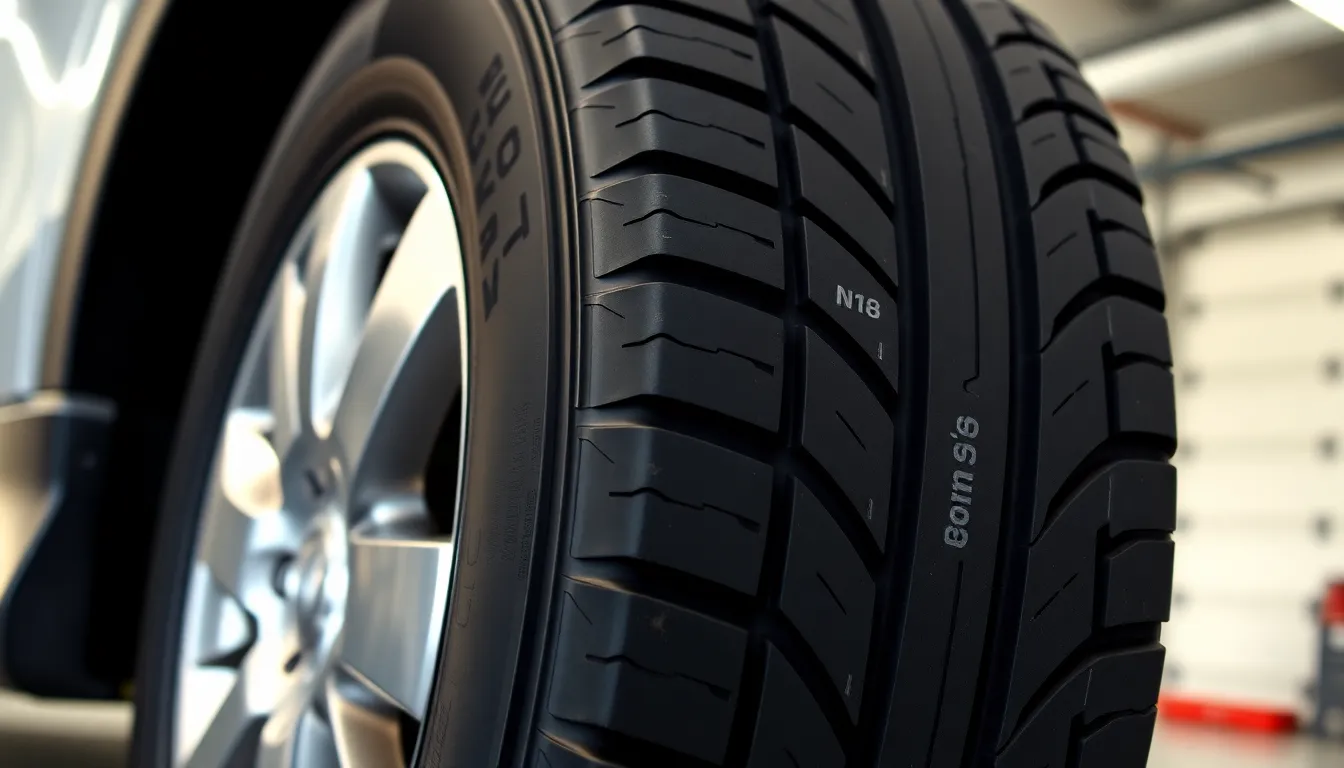
Tire size information follows a standardized format that provides critical details about your Honda CR-V’s tires. A typical tire size like 235/60R18 103H contains multiple pieces of information about the tire’s dimensions and performance capabilities.
Decoding Tire Sidewall Markings
Tire sidewalls contain many markings that reveal important specifications about your CR-V’s tires. The first number (235) represents the tire width in millimeters measured from sidewall to sidewall. Following this, the aspect ratio (60) indicates the tire’s sidewall height as a percentage of its width, meaning the sidewall height is 60% of the tire’s width. The letter “R” signifies radial construction, which is standard in modern tires. After this designation comes the wheel diameter (18), which shows the diameter in inches of the wheel rim the tire fits. These measurements ensure your tires properly fit your exact CR-V model and provide the performance characteristics Honda engineers intended for your vehicle.
Speed and Load Ratings Explained
Load and speed ratings appear as numerical and letter codes at the end of the tire size markings. The load index (103) corresponds to a exact weight capacity, with higher numbers indicating greater load-carrying ability. Speed ratings appear as letters (H) that designate the maximum sustained speed for which the tire is designed—an H rating means your tires can safely handle speeds up to 130 mph (210 km/h). Different CR-V trims might require exact ratings based on their performance characteristics. For example, a 2019 CR-V Touring owner once shared how installing tires with incorrect load ratings led to noticeably compromised handling during emergency maneuvers. Matching these ratings to Honda’s specifications ensures your CR-V maintains proper handling, braking distance, and overall safety performance across various driving conditions.
Seasonal Tire Considerations for Honda CR-V

Your Honda CR-V’s performance varies significantly with the seasons, making tire selection crucial for optimal safety and handling throughout the year. Seasonal tire choices can dramatically impact your driving experience, especially during challenging weather conditions.
All-Season vs. Winter Tires
All-season tires come standard on most Honda CR-V models, offering decent performance across various weather conditions. These versatile options, like the common 235/60R18 103H fitted on EX and Sport Hybrid trims, provide a balanced compromise for year-round driving. They’re engineered with tread patterns that handle dry roads, light rain, and minimal snow, making them practical for regions with mild climate variations.
Winter conditions demand more specialized equipment for your CR-V. In areas with regular snowfall, ice, or temperatures consistently below 45°F, dedicated winter tires deliver superior traction and safety. Winter tires feature specialized rubber compounds that remain flexible in cold temperatures and aggressive tread patterns designed specifically for snow and ice. The difference becomes apparent during emergency braking on snow-covered roads, where winter tires can reduce stopping distances by up to 30% compared to all-seasons.
Many CR-V owners in northern states report groundbreaking experiences after switching to winter tires. One customer explained, “My 2020 CR-V with all-seasons would slip at every intersection during snowstorms, but after installing proper winter tires, it handles like it’s on dry pavement even in several inches of snow.”
Performance Tires for CR-V Sport Models
Sport and Sport Touring CR-V trims benefit from performance-oriented tires that complement their enhanced handling capabilities. These models, typically equipped with larger 19-inch wheels and 235/55R19 tires, respond exceptionally well to performance tires with more aggressive tread patterns and softer rubber compounds.
Performance tires enhance your CR-V’s cornering grip, steering response, and wet-weather traction. The specialized rubber compounds offer improved road feel and feedback, creating a more captivating driving experience that matches the sportier nature of these trims. CR-V Sport Touring owners particularly notice the difference when handling winding roads or making quick lane changes.
Upgrading to performance tires involves considering your driving habits and local road conditions. These tires typically trade some ride comfort and tread life for enhanced handling characteristics. Their specialized design makes them less suitable for light off-road use that standard CR-V all-season tires might handle adequately.
Performance doesn’t necessarily mean compromising practical considerations. Modern performance all-season tires strike an excellent balance for CR-V Sport models, delivering improved handling while maintaining reasonable tread life and all-weather capability that complements the vehicle’s versatile nature.
Impact of Tire Size on CR-V Performance and Fuel Economy
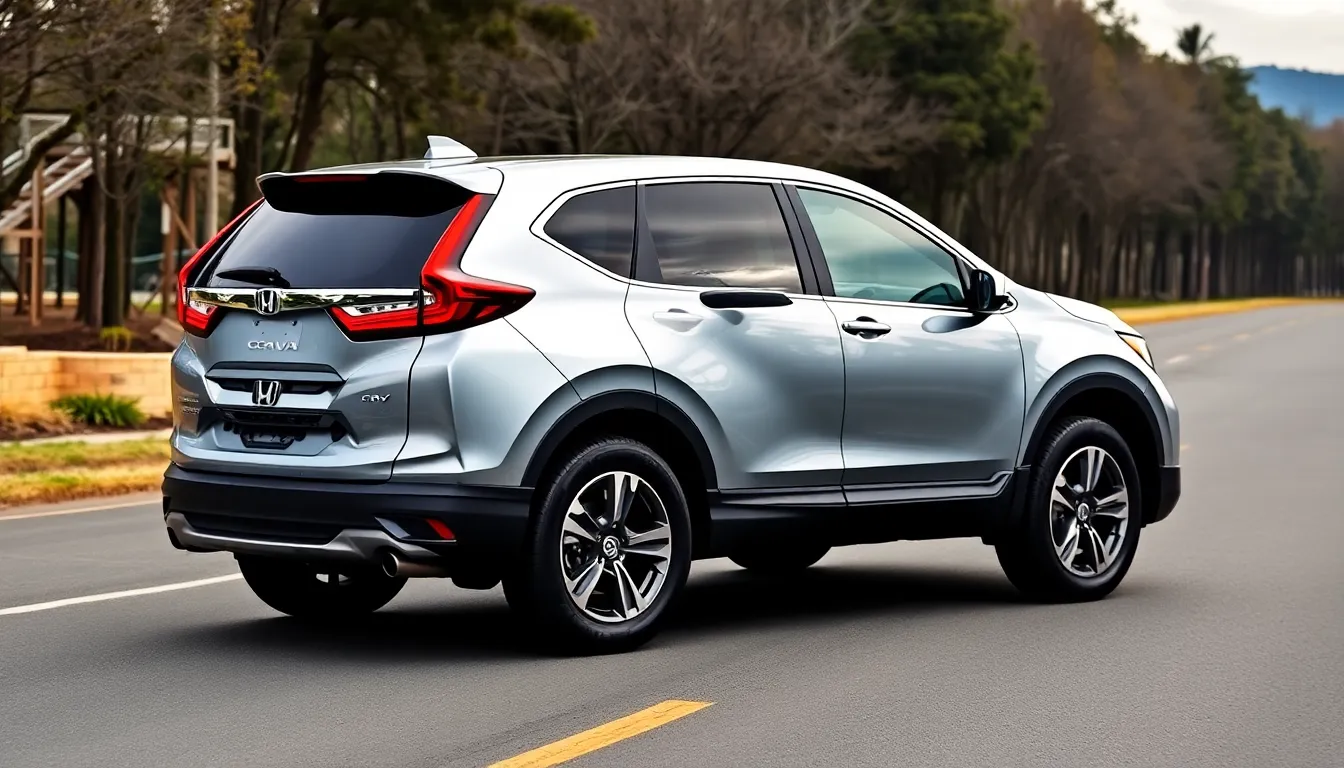
Tire size directly influences your Honda CR-V’s performance characteristics in several key areas. Larger wheels with lower profile tires (235/55R19) deliver sharper handling and a sportier feel, though they often create a firmer ride experience. Smaller wheels paired with higher profile tires (235/65R17) excel at absorbing road imperfections, providing enhanced comfort during daily driving.
Correct tire dimensions ensure optimal road contact, which is essential for traction and stability. Using non-recommended tire sizes can compromise your vehicle’s braking distances and handling characteristics, potentially creating unsafe driving conditions in emergency situations.
Fuel economy suffers when using oversized tires due to increased rolling resistance. Larger, wider tires require more energy to move, reducing your CR-V’s efficiency. The added weight and rotational mass of bigger wheels and tires further impacts fuel consumption negatively, as your engine must work harder to maintain speed.
Tire pressure maintenance between 33-36 psi (depending on load) plays a crucial role in both performance and efficiency. Proper inflation optimizes tire wear patterns while maintaining ideal fuel economy numbers across various driving conditions.
Regular tire maintenance including inspection, rotation, and proper inflation extends tire lifespan while preserving your CR-V’s intended performance characteristics. These simple maintenance steps help balance the competing demands of handling precision, ride comfort, and fuel efficiency that Honda engineers calibrated for your exact model.
Conclusion
Choosing the right tire size for your Honda CR-V isn’t just about fit—it’s about optimizing your vehicle’s performance safety and efficiency. Whether you stick with Honda’s recommended specifications or explore aftermarket options remember that proper sizing affects everything from handling to fuel economy.
Always check your owner’s manual before making changes and consider how different seasons impact your driving needs. The right tires—properly maintained and rotated—will ensure your CR-V delivers the reliable versatile performance it was designed for.
With the correct tire size your Honda CR-V will reward you with better handling improved safety and the confidence to tackle whatever road conditions come your way.
Frequently Asked Questions
What tire size is recommended for a Honda CR-V?
The recommended tire size for a Honda CR-V varies by model year and trim level. For the latest generation (2017-2023), the most common stock size is 235/60R18. Fourth generation (2012-2016) models use either 225/65R17 or 225/60R18, while third generation (2007-2011) models standardize on 225/65R17. Always check your vehicle’s owner manual or door jamb sticker for the exact specifications.
How do I read Honda CR-V tire size information?
Honda CR-V tire sizes follow a standard format like “235/65R17” where 235 is the width in millimeters, 65 is the aspect ratio (percentage of width to height), R indicates radial construction, and 17 is the wheel diameter in inches. Additional markings include load index and speed rating (e.g., 104H), which must meet or exceed manufacturer specifications for safety.
Can I use a different tire size on my CR-V?
You can use alternative tire sizes as long as the overall diameter remains within 3% of the original specification. Using incorrect sizes can affect speedometer accuracy, handling, and braking performance. Before changing tire sizes, verify that the new dimensions won’t interfere with your vehicle’s body or suspension components.
Are OEM or aftermarket tires better for the Honda CR-V?
OEM tires are specifically designed to complement the CR-V’s engineering, ensuring optimal performance. Aftermarket tires offer more customization options, including wider tires for improved grip or all-terrain tires for off-road capability. The best choice depends on your driving needs, but maintain similar overall diameter to the original specifications.
Do I need winter tires for my Honda CR-V?
While the CR-V comes standard with all-season tires, dedicated winter tires provide superior traction and safety in cold conditions, especially in areas with frequent snow or ice. Winter tires use specialized rubber compounds that remain flexible in cold temperatures and feature tread patterns designed to grip snow and evacuate slush.
How does tire size affect CR-V fuel economy?
Tire size directly impacts fuel economy. Oversized tires increase rolling resistance and can reduce fuel efficiency. Larger, wider tires create more drag and require more energy to turn. Maintaining proper tire pressure is crucial for optimal fuel economy—underinflated tires can reduce efficiency by up to 3%. Always follow manufacturer recommendations for best results.
What’s the difference between low-profile and higher-profile tires?
Low-profile tires (with smaller aspect ratios) mounted on larger wheels provide sharper handling and responsive steering but result in a firmer ride. Higher-profile tires offer better comfort, absorb road imperfections more effectively, and typically provide better protection against pothole damage. The CR-V’s various trim levels offer different profiles to balance performance and comfort.
How often should I rotate my CR-V tires?
Honda recommends rotating CR-V tires every 7,500 miles to ensure even wear patterns and maximize tire lifespan. Regular rotation helps maintain consistent handling characteristics and extends the life of your tires. During rotation, tires should also be inspected for damage, uneven wear, and proper inflation to preserve the vehicle’s intended performance.