Looking for Duramax years to avoid? While Chevrolet’s Duramax diesel engines are known for their power and reliability, not all model years deliver the same dependable performance you’d expect from this iconic powerhouse.
The truth is, certain Duramax generations have earned notorious reputations for recurring issues that can drain your wallet and test your patience. From the LB7’s injector failures to the LLY’s overheating problems and the LMM’s emissions headaches, knowing which years to steer clear of can save you thousands in repair costs. Before you invest in a used Duramax-powered truck, understanding these problematic years could be the difference between a workhorse that serves you well and a money pit you’ll regret purchasing.
Understanding the Duramax Diesel Engine
The Duramax diesel engine represents a important milestone in General Motors’ powertrain history. Developed as a joint venture between GM and Isuzu in 2001, this powerhouse revolutionized the American diesel truck market with its impressive performance capabilities. The name “Duramax” has become synonymous with high torque output, towing capacity, and longevity when properly maintained.
Each Duramax engine is identified by a exact code that indicates its generation. The LB7 (2001-2004) marked the initial offering, followed by the LLY (2004-2006), LBZ (2006-2007), LMM (2007-2010), LML (2011-2016), and L5P (2017-present). These designations help owners and mechanics identify the engine’s specifications, common issues, and compatible parts.
Throughout its evolution, the Duramax platform has consistently delivered impressive power figures. Early models produced 235 horsepower and 500 lb-ft of torque, while current generations offer up to 445 horsepower and a massive 910 lb-ft of torque. This progressive improvement demonstrates GM’s commitment to improving performance while meeting increasingly stringent emissions standards.
Duramax engines use advanced technologies including common rail direct injection, variable geometry turbochargers, and sophisticated electronic controls. These components work together to optimize power delivery, fuel efficiency, and emissions compliance. The 6.6-liter V8 configuration has remained consistent throughout all generations, providing a balanced combination of power and reliability.
Even though their robust design, exact Duramax generations have exhibited recurring problems. Fuel system issues plague certain model years, while others struggle with cooling system inadequacies or emissions equipment failures. Understanding these generation-exact weaknesses is crucial for making an informed purchasing decision when considering a used Duramax-powered vehicle.
Common Issues with Problematic Duramax Years
Duramax diesel engines have several model years with recurring mechanical failures that can lead to expensive repairs and frustrating ownership experiences. These issues vary across different generations, with certain years standing out as particularly problematic.
Injector Failures in 2001-2004 LB7 Models
The LB7 Duramax (2001-2004) suffers from notorious injector failures that typically occur around the 100,000-mile mark. GM recognized this widespread problem and eventually revised the injector design, even offering an extended 200,000-mile warranty on replacement parts. Original injectors in these models almost certainly require replacement, creating a important maintenance expense for owners. Even though these injection system problems, many diesel enthusiasts still value the LB7 for its overall durability and lack of complex emissions controls compared to later Duramax generations. The injection system failures manifest as rough idling, white smoke from the exhaust, hard starting in cold weather, and decreased fuel economy.
Head Gasket Problems in 2004.5-2005 LLY Models
LLY Duramax engines (2004.5-2005) commonly experience head gasket failures that can lead to coolant leaks and overheating issues. These head gasket problems represent a well-documented failure point and often require complete cylinder head removal to repair. The LLY also continued to experience some injector failures, though less frequently than the earlier LB7 thanks to design improvements. Many LLY owners report cooling system inadequacies that contribute to overheating, especially when towing heavy loads in hot weather or climbing steep grades. The combination of head gasket vulnerabilities and the relatively short production run makes these mid-2000s Duramax engines particularly problematic for long-term reliability.
The LBZ Era: 2006-2007 Duramax Issues
The 2006-2007 LBZ Duramax engines stand as some of the most reliable diesel pickups ever produced, though they’re not without their exact challenges. These models represent what many diesel enthusiasts consider the sweet spot in Duramax evolution, offering impressive performance without the complex emissions systems found in later generations.
Even though their sterling reputation, LBZ engines exhibit several recurring problems you’ll want to address if you own or plan to purchase one. Early 2006 models occasionally suffer from head gasket failures, carrying over weaknesses from previous generations. Engine wiring harness rubbing against the driver’s side inner fender creates electrical issues requiring repair in many trucks.
Turbocharger problems plague some LBZ Duramax engines, typically stemming from oil contamination or wastegate actuator failure. These issues manifest as performance loss through either overboost or underboost conditions, often triggering a DTC P003A code that necessitates turbo removal and rebuilding.
Fuel system failures represent another potential headache, with the CP3 high-pressure fuel injection pump known to fail without warning. This failure pattern leads to power loss and stalling in affected vehicles. Cracked fuel filter housings also occur, potentially causing fuel leaks and subsequent engine damage if left unaddressed.
LBZ pistons demonstrate excellent durability in stock form but become vulnerable when owners push for extreme power gains. The seven-hole fuel injector design improved upon earlier models by reducing piston hot spots, yet aggressive tuning beyond factory specifications frequently results in cracked pistons.
External injectors, rapid heat glow plugs, and the upgraded 6-speed Allison transmission make the 2006-2007 LBZ Duramax significantly more desirable than both earlier and later generations. Earlier models suffer more extensively from head gasket and injector problems, while later models like the 2011 LML introduced the catastrophic “Glitter Maker” fuel pump failure requiring much costlier repairs.
For maximum reliability with an LBZ, inspect the wiring harness for chafing, maintain the turbocharger system diligently, and resist the temptation to push power levels beyond reasonable limits. With proper maintenance and moderate use, these engines routinely deliver hundreds of thousands of dependable miles.
The Troubled LMM Generation: 2007.5-2010
The Duramax LMM engine, produced from mid-2007.5 through 2010, marked a challenging era for GM diesel trucks. These models introduced new EPA-mandated emissions technology that brought important reliability issues not present in earlier generations.
Emissions System Failures
Emissions components in the LMM Duramax create many headaches for owners. The introduction of the Diesel Particulate Filter (DPF) and Exhaust Gas Recirculation (EGR) systems added complexity that frequently leads to problems. EGR coolers commonly develop leaks or become clogged with carbon deposits, affecting engine performance and fuel economy. DPF regeneration cycles often fail to complete properly, especially when trucks aren’t driven at highway speeds long enough to burn off accumulated soot. These incomplete regeneration cycles cause DPF clogging, triggering check engine lights and eventually requiring expensive replacement of emissions components that can cost $2,000-$4,000.
Fuel System Complications
LMM Duramax fuel systems present unique problems that didn’t exist in earlier models. The redesigned fuel injectors feature six nozzle holes instead of seven, creating an uneven fuel spray pattern across the pistons. This uneven distribution generates hot spots that increase stress on critical engine components. Piston cracking along the wrist pin centerline becomes common when these engines are modified for higher power outputs exceeding 600 horsepower. Stock engines typically remain reliable, but any performance modifications dramatically increase failure risk. Transmission cooling lines in these trucks also suffer from poor crimping design, frequently leading to fluid leaks that start as small drips when cold but can develop into major transmission issues if left unaddressed.
Post-2011 Duramax Concerns
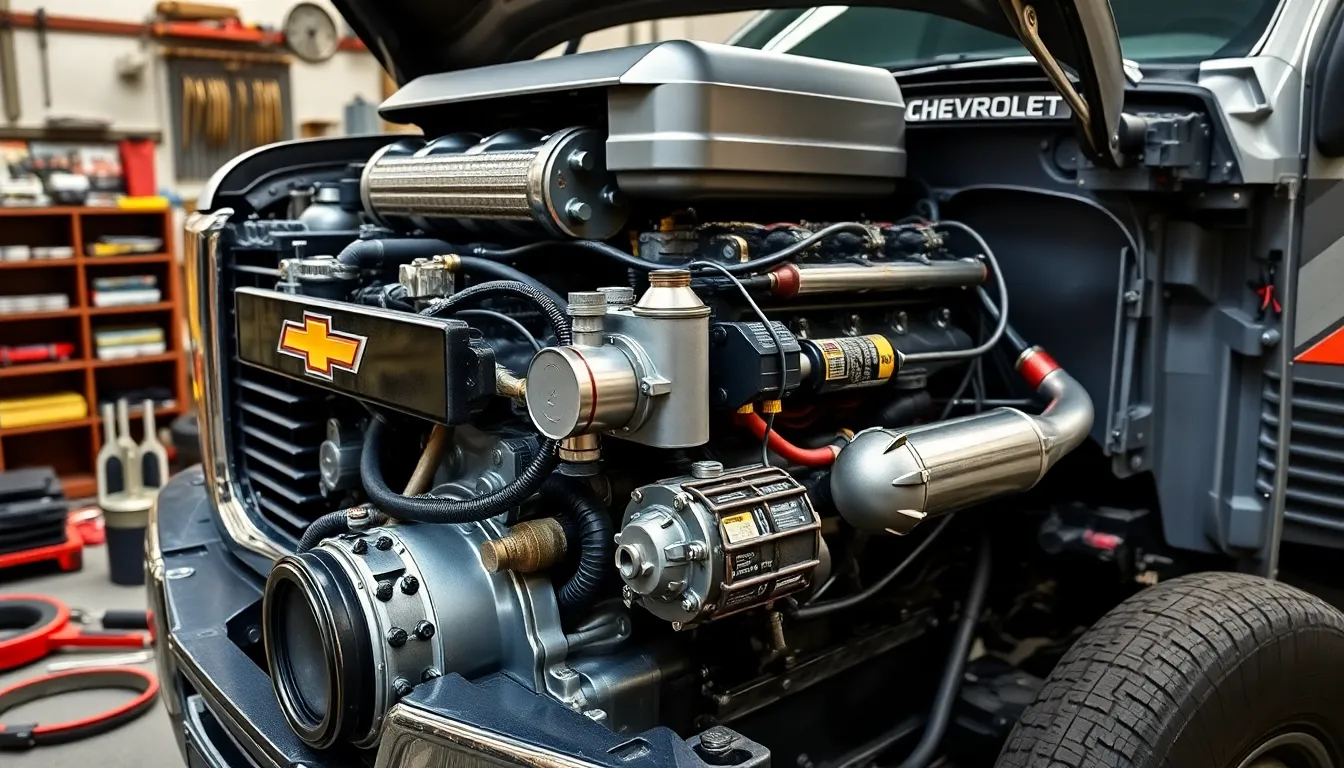
The post-2011 Duramax engines brought improved emissions compliance but introduced new reliability challenges for truck owners. These newer generations feature distinct issues that potential buyers should understand before making a purchase.
CP4 Pump Failures in LML Models (2011-2016)
The 6.6L LML Duramax engine represents a critical turning point in diesel technology with enhanced power outputs, but it’s plagued by catastrophic CP4 injection pump failures. This high-pressure fuel pump can self-destruct without warning, sending metal debris throughout the entire fuel system and causing extensive damage to injectors, lines, and the fuel tank. Repair costs typically range from $8,000-$10,000 when the pump fails, making it one of the most expensive common issues in modern diesel trucks. Many experienced owners opt for preventative CP3 pump conversions at the first sign of trouble or even before problems emerge.
Emissions equipment on LML models creates additional headaches for owners. The Diesel Particulate Filter (DPF) system frequently clogs or fails to regenerate properly, triggering check engine lights and reduced power modes. Temperature sensors, pressure differential sensors, and exhaust fluid injectors commonly fail after 80,000-100,000 miles of service, adding to maintenance costs.
DEF System Problems in L5P Models (2017-Present)
The current L5P Duramax generation delivers impressive performance improvements with 445 horsepower and 910 lb-ft of torque, but comes with complex emissions systems that present unique challenges. DEF (Diesel Exhaust Fluid) system malfunctions occur with concerning frequency, particularly in trucks operated in extreme cold or on short trips. DEF fluid crystallization in lines and injectors can trigger service warnings and vehicle derate modes, limiting speed and power until repairs are completed.
DEF heaters and sensors fail at higher rates than expected, especially in 2017-2019 models before design updates were implemented. The NOx sensors positioned in the exhaust stream frequently report false readings, causing unnecessary regeneration cycles that consume extra fuel. These emissions components aren’t cheap to replace—DEF injectors alone cost $400-600, while complete system repairs can exceed $2,000 when multiple components fail simultaneously.
Even though these concerns, the L5P generally demonstrates better overall reliability than the previous LML generation, with significantly fewer catastrophic failures reported. The redesigned fuel system eliminated the problematic CP4 pump, addressing the most serious issue that plagued earlier models.
Most Reliable Duramax Years to Consider
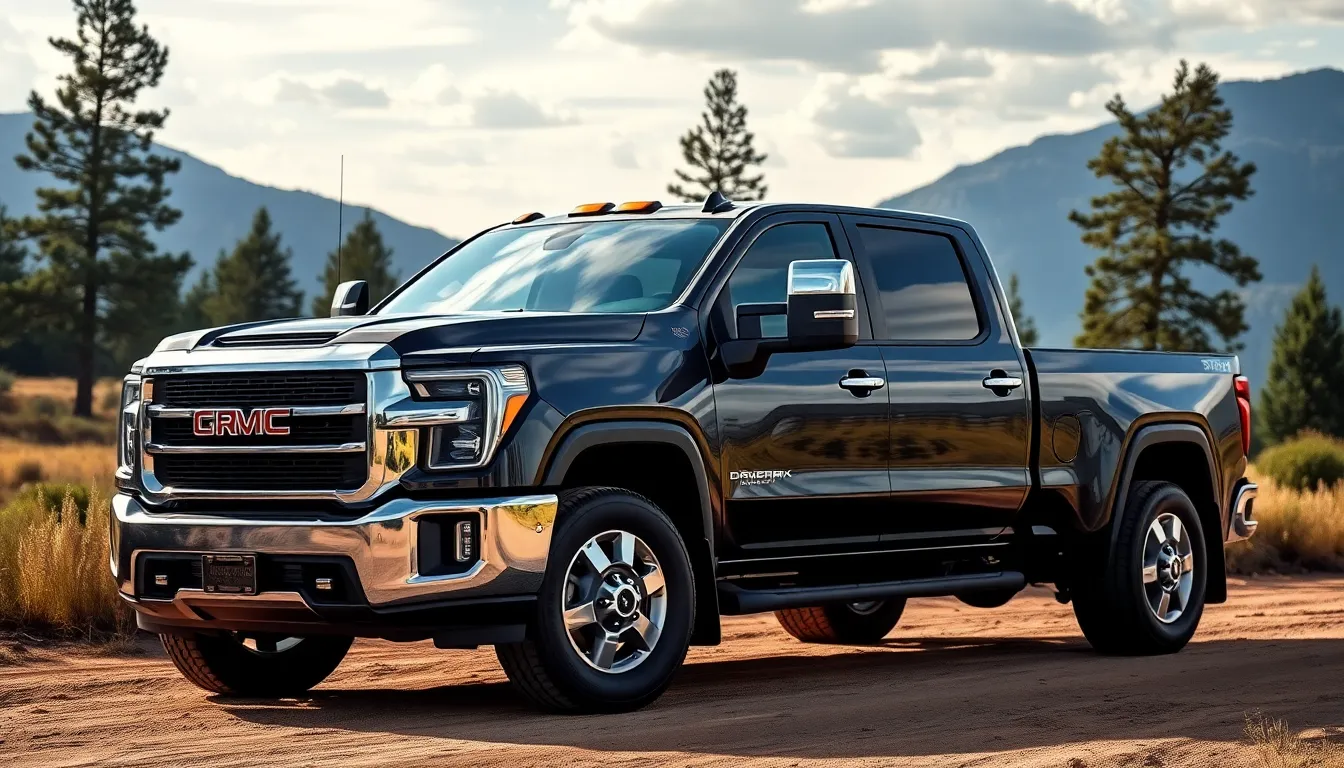
The LBZ Duramax engines (2006-2007) stand out as the gold standard among older diesel powerplants. These engines combine robust block design with minimal emissions controls, creating a perfect balance of power and reliability. Many diesel enthusiasts specifically search for these model years when shopping for used trucks, often willing to pay premium prices for well-maintained examples. Though they can develop water pump failures around 80,000-100,000 miles and may experience cracked pistons when pushed to extreme horsepower levels, LBZ engines remain the top choice for those seeking durability without modern emissions complexities.
Duramax engines manufactured after 2010, particularly the 2011 and newer models, showcase important reliability improvements over their predecessors. The LML generation (2011-2016) introduced advanced technology, better emissions compliance, and performance enhancements that make them compelling options for buyers seeking newer trucks. These engines feature upgraded turbochargers and improved injector designs that contribute to their overall dependability. Even though some concerns with the Bosch high-pressure fuel pump sensitivity, post-2010 Duramax engines generally deliver excellent long-term performance when properly maintained.
The current L5P generation (2017-present) represents the pinnacle of Duramax engineering and reliability. These engines address many of the weaknesses found in earlier models, particularly by eliminating the problematic CP4 pump that plagued the LML series. Owners report fewer catastrophic failures and better overall dependability, even with the added complexity of modern emissions equipment. The impressive power output—445 horsepower and 910 lb-ft of torque—doesn’t come at the expense of longevity, making these newer models worth considering even though their higher purchase price.
| Duramax Model | Years | Key Reliability Factors | Power Output |
|---|---|---|---|
| LBZ | 2006-2007 | Robust block, minimal emissions controls, occasional water pump failure | 360 hp / 650 lb-ft |
| LML | 2011-2016 | Improved technology, sensitive Bosch fuel pump, better emissions | 397 hp / 765 lb-ft |
| L5P | 2017-present | Redesigned fuel system, eliminated CP4 pump, occasional DEF issues | 445 hp / 910 lb-ft |
Regular maintenance plays a crucial role in maximizing the lifespan of any Duramax engine, regardless of model year. Changing oil and filters at appropriate intervals, addressing minor issues before they escalate, and using quality diesel fuel significantly extend engine life. For the LBZ models, monitoring the cooling system helps prevent potential overheating issues. With proper care, many Duramax owners report their engines easily reaching 300,000+ miles without major repairs, proving the fundamental strength of these diesel powerplants across generations.
Buying Tips When Shopping for Used Duramax Trucks
Research Engine Models Thoroughly
Duramax engines vary significantly in reliability across different generations. The LBZ (2006-2007) and LMM (2007-2010) models fixed many previous issues, making them more dependable choices for used truck buyers. Each engine code (LB7, LLY, LBZ, LMM, LML, L5P) represents distinct technology and potential problem areas. Checking the engine code before purchase helps you anticipate maintenance needs and avoid problematic generations like the early LB7 or CP4-equipped LML models.
Verify Maintenance Records
Complete service histories reveal how well a Duramax truck has been maintained. Look for documentation of injector replacements in LB7 models, water pump servicing across all generations, and fuel system maintenance. Trucks with consistent oil change intervals and proactive repairs typically experience fewer catastrophic failures. Maintenance records showing attention to cooling systems and emissions equipment are particularly valuable for LLY and later models with complex emissions controls.
Inspect Critical Components
Fuel system integrity remains essential when evaluating any used Duramax. Check for fuel leaks around the filter housing on LB7 models and inspect for signs of CP4 pump failure in LML trucks. Look for coolant leaks indicating potential head gasket problems, especially in LLY models. Turbocharger condition can be assessed by checking for excessive smoke, unusual noises, or oil leaks. Emissions equipment requires careful evaluation in 2007 and newer models, as DPF and EGR systems often develop expensive problems.
Beware of Modified Trucks
Many Duramax owners modify their trucks for increased performance or to address design flaws. Examine trucks for aftermarket tuners, exhaust modifications, or deleted emissions equipment. While these modifications might improve performance, they can void warranties and create legal compliance issues. Trucks with emissions equipment removed face potential fines and registration problems in many states. Modified engines often experience accelerated wear on internal components, particularly if aggressive tuning was used.
Consider Ownership Costs
Duramax repair expenses frequently exceed comparable gasoline engines. Budget for potential injector replacements ($3,000-$4,000) on LB7 models or CP4 pump failures ($8,000-$10,000) on LML trucks. Factor in specialized maintenance requirements like fuel filters every 10,000 miles and expensive diesel engine oil changes. Insurance costs typically run higher for diesel trucks, and fuel economy advantages must be weighed against premium diesel fuel prices. Emissions system repairs on 2007 and newer models can easily exceed $2,000 per incident.
Perform a Pre-Purchase Inspection
Professional diesel mechanics can identify potential Duramax issues before purchase. A compression test reveals internal engine health, while a scanner check identifies stored trouble codes that might indicate developing problems. Have the mechanic specifically check for glow plug issues on LLY/LBZ models and fuel system pressure on LML trucks. A thorough inspection typically costs $150-$300 but potentially saves thousands in unexpected repairs. Never skip this critical step, even with seemingly well-maintained trucks.
Conclusion
Armed with knowledge about troublesome Duramax years you can make a smarter purchase decision. The LB7’s injector issues LLY’s cooling problems and LMM’s emissions headaches are red flags worth avoiding. Meanwhile the LBZ (2006-2007) stands out as the gold standard for reliability and performance.
Remember that even problematic Duramax engines can provide reliable service if properly maintained and inspected before purchase. Your best defense is thorough research documentation review and a professional inspection.
With the right Duramax model you’ll enjoy the legendary power and capability these engines offer without the expensive repair bills that plague certain model years.
Frequently Asked Questions
Which Duramax model years should I avoid?
You should avoid the LB7 (2001-2004) models with injector failures, LLY (2004.5-2005) models with head gasket and overheating issues, and LMM (2007.5-2010) models with emissions system problems. The LML (2011-2016) models with CP4 injection pump failures are also problematic. These years typically require costly repairs that can significantly impact your ownership experience.
What are the most reliable Duramax years?
The LBZ models (2006-2007) are widely considered the most reliable Duramax engines with robust design and minimal emissions controls. The current L5P generation (2017-present) has also proven reliable by addressing previous weaknesses. Many owners report these engines reaching over 300,000 miles with proper maintenance. These models offer the best balance of power and longevity.
What causes the LB7 Duramax injector failures?
The LB7 (2001-2004) injector failures typically occur around 100,000 miles due to design flaws in the original fuel injectors. These failures manifest as rough idling, poor starting, excessive smoke, and reduced power. GM eventually acknowledged this issue and revised the injector design, even offering an extended warranty for replacements on these models.
How serious are the LLY Duramax cooling issues?
The LLY (2004.5-2005) cooling issues are serious, particularly when towing or under heavy loads. These models are prone to head gasket failures and overheating due to inadequate cooling system design. The problems typically manifest as coolant leaks, overheating warnings, and potential engine damage if not addressed promptly. Aftermarket solutions like improved radiators can help mitigate these issues.
Why are the LMM Duramax years (2007.5-2010) problematic?
The LMM Duramax years introduced new EPA-mandated emissions technology that created significant reliability issues. Problems include DPF clogging, EGR system failures, and unique fuel system complications. The emissions components frequently fail, causing performance issues and triggering check engine lights. Additionally, the redesigned fuel injectors can create uneven spray patterns, increasing the risk of piston damage.
What is the catastrophic CP4 pump failure in LML models?
The CP4 high-pressure fuel injection pump in LML models (2011-2016) is prone to sudden failure due to insufficient lubrication when using US diesel fuel. When it fails, metal debris contaminates the entire fuel system, requiring replacement of injectors, lines, rails, and the pump itself. Repairs typically cost $8,000-$10,000, making it one of the most expensive common Duramax failures.
How reliable are the newest L5P Duramax engines (2017-present)?
The L5P Duramax engines (2017-present) show significantly improved reliability compared to previous generations. They feature a redesigned fuel system that eliminated the problematic CP4 pump. While they can experience DEF system malfunctions in extreme conditions, they have fewer catastrophic failures overall. With proper maintenance, these engines deliver impressive power while maintaining good longevity.
What should I check when buying a used Duramax truck?
When buying a used Duramax truck, verify complete maintenance records, inspect critical components (especially the fuel system and emissions equipment), and avoid heavily modified trucks. Check for signs of overheating in LLY models, injector issues in LB7s, and emissions problems in LMM/LML models. Always have a professional diesel mechanic perform a pre-purchase inspection to identify potential issues.
How long can a Duramax engine last with proper maintenance?
With proper maintenance, many Duramax engines can last 300,000+ miles. Regular oil changes using the correct diesel specification oil, fuel filter changes, and cooling system maintenance are essential. Addressing minor issues promptly before they become major problems is key to longevity. The LBZ and L5P models typically offer the best potential for high-mileage reliability.
Are Duramax repairs more expensive than other diesel engines?
Yes, Duramax repairs tend to be more expensive than many other diesel engines. Specialized parts and labor can make routine maintenance costlier. Major repairs like injector replacements ($3,000-$4,000), emissions system work ($2,000+), or the catastrophic CP4 pump failure ($8,000-$10,000) represent significant investments. Factor these potential costs into your purchase decision when buying a used Duramax truck.