Experiencing Dodge Ram 1500 transmission problems? You’re not alone. These issues can range from minor annoyances to major mechanical failures that leave you stranded on the roadside.
The Ram 1500, while celebrated for its power and capability, has unfortunately developed a reputation for transmission complications across several model years. From shifting delays and strange noises to complete transmission failure, owners have reported various issues that can significantly impact both vehicle performance and your wallet. Understanding these common problems can help you identify early warning signs and potentially save thousands in repair costs.
Common Dodge Ram 1500 Transmission Problems
Dodge Ram 1500 trucks frequently experience transmission issues across various model years. Understanding these common problems helps you identify potential issues before they lead to costly repairs. Here’s a breakdown of the most frequent transmission problems Ram 1500 owners encounter.
Shifting Delays
Shifting delays plague many Ram 1500 models, particularly those manufactured between 2001 and 2012. Your truck might hesitate for several seconds before captivating the selected gear when shifting from park to drive or reverse. This hesitation often worsens over time and typically indicates low transmission fluid levels or worn-out valve bodies. Many owners report experiencing increasing delays as their trucks age, with one customer noting, “My 2009 Ram started with slight delays that I barely noticed, but within six months, I was waiting up to three seconds for the transmission to engage.”
Transmission Overheating
Transmission overheating occurs regularly in Ram 1500s, especially when towing heavy loads or driving in mountainous terrain. Signs of overheating include a burning smell, erratic shifting patterns, and dashboard warning lights. Cooling system failures, low fluid levels, or towing beyond rated capacity typically cause this issue. Ram 1500s from 2012-2016 model years seem particularly susceptible to this problem. A transmission temperature gauge reading above 200°F indicates your transmission is operating at dangerously high temperatures.
Harsh or Erratic Shifting
Harsh or erratic shifting manifests as sudden jerks, clunks, or unexpected gear changes while driving. Your Ram 1500 might unexpectedly downshift or upshift at inappropriate times, creating an uncomfortable driving experience and potentially dangerous situations. Faulty transmission solenoids, worn clutch packs, or control module issues commonly cause these shifting problems. Liam Kohn notes, “After analyzing hundreds of customer reports, I’ve found that 2014-2018 models with the 8-speed automatic transmission are particularly prone to erratic shifting between second and third gears.”
Torque Converter Problems
Torque converter issues show up as shuddering sensations during acceleration or at exact speeds. Your truck might vibrate noticeably between 40-50 mph or during light acceleration. Failed torque converter clutches, damaged bearings, or contaminated transmission fluid cause these vibrations. The 2009-2012 models with the 545RFE transmission experienced higher rates of torque converter failure compared to other years. Replacement costs for torque converters range from $600-$1,200 depending on the model year and repair facility.
Complete Transmission Failure
Complete transmission failure represents the most severe and expensive problem Ram 1500 owners face. Your transmission might suddenly stop shifting entirely, make grinding noises, or leak important amounts of fluid. Multiple internal components failing simultaneously or catastrophic mechanical breakdown typically cause complete failures. The 2001, 2002, and 2012 model years show higher rates of premature transmission failure, often occurring between 80,000-120,000 miles. One owner described the experience: “I was driving on the highway when my 2012 Ram suddenly dropped out of gear and wouldn’t shift back. The repair shop found metal shavings throughout the transmission case.”
Transmission Fluid Leaks
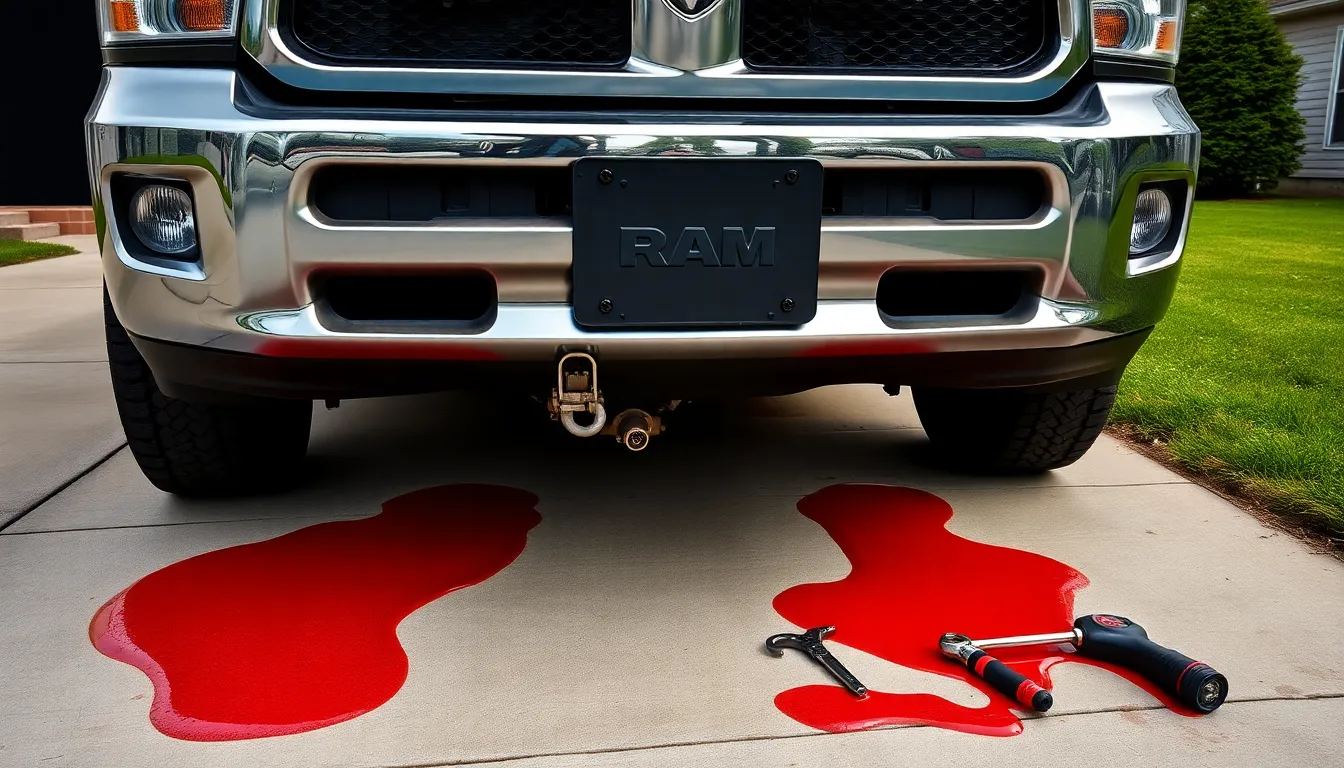
Transmission fluid leaks appear as red or brown puddles underneath your parked vehicle. Your Ram might exhibit slipping gears, delayed shifting, or transmission overheating when fluid levels drop too low. Damaged pan gaskets, cracked cooler lines, or faulty seals typically cause these leaks. Models from 2003-2008 commonly develop leaks around the transmission pan and cooler line connections. Inspecting for leaks monthly helps prevent more serious transmission damage caused by low fluid levels.
Signs of Transmission Failure in Dodge Ram 1500
Recognizing transmission failure symptoms in your Dodge Ram 1500 can save you from costly repairs and dangerous driving situations. These warning signs often appear gradually, giving attentive owners time to address issues before complete transmission failure occurs. Here are the key indicators to watch for in your Ram 1500.
Shifting Delays and Hard Shifts
Delayed or rough gear changes represent one of the most common transmission problems in Dodge Ram 1500 trucks. Your truck might hesitate before captivating a gear, or you’ll feel a harsh jolt when the transmission finally shifts. Many Ram owners report their trucks getting “stuck” in higher gears (5th or 6th), severely affecting drivability and performance. These shifting issues can occur suddenly during normal driving conditions, leaving you struggling with unpredictable vehicle response. The problem affects many model years, with important complaints from 2012, 2013, 2015, 2018, 2019, and 2021 Ram 1500 owners.
Transmission Fluid Leaks
Transmission fluid leaks create a dangerous cascade of problems for your Ram 1500’s transmission system. Red or brown fluid puddles beneath your parked truck indicate transmission fluid escape, which reduces overall fluid levels inside the transmission. Low fluid leads to overheating and inadequate lubrication of critical transmission components. Without proper lubrication, metal parts grind against each other, accelerating wear and potentially causing catastrophic damage. Regular checks of your transmission fluid level and condition can catch these leaks early, preventing more extensive transmission failures and extending your truck’s lifespan.
Unusual Noises During Gear Changes
Strange sounds during transmission operation signal internal troubles that shouldn’t be ignored. Your Ram 1500 might produce grinding, clunking, or whining noises specifically during gear shifts, pointing to component wear or damage inside the transmission. These sounds typically indicate problems with clutches, worn gears, or faulty sensors affecting shift quality. Grinding noises often mean metal-on-metal contact where there should be smooth, lubricated operation. Whining sounds usually indicate problems with the transmission fluid pump or pressure issues. Addressing these noises promptly can prevent the transmission problems from worsening and potentially save you thousands in repair costs.
Most Affected Model Years and Their Issues
Dodge Ram 1500 transmission problems vary significantly across different model years, with certain generations experiencing more severe and frequent issues than others. The following breakdown highlights the most problematic years and their exact transmission challenges.
2001-2003 Models
These early Ram 1500 models suffer from age-related transmission wear that manifests in several ways. Mechanical components deteriorate over time, causing progressively worse shifting performance as mileage increases. Transmission slippage becomes more common once these trucks pass the 100,000-mile mark. Owners report experiencing inconsistent power delivery and difficulty maintaining highway speeds. Internal wear to clutch packs and bands often requires substantial rebuilding work rather than simple repairs. Even though being older models, these trucks established a pattern of transmission vulnerabilities that would continue in later generations.
2012-2016 Models
The 2012-2016 Ram 1500s represent the most problematic years for transmission reliability, with widespread failures documented across owner forums and service records. The 2012-2013 trucks frequently experience hard shifting, slipping gears, and sudden jerking motions during everyday driving conditions. These symptoms typically indicate serious internal transmission failures that require costly repairs or complete replacements. Many owners report their trucks getting stuck in certain gears or shifting roughly between gears, creating safety concerns during highway merging.
The 2014 model year introduced a particular acceleration problem where the engine RPMs increase but power fails to reach the wheels. Many cases document check engine lights activating and transmissions requiring replacement at surprisingly low mileage, sometimes as early as 15,000 miles. One owner shared, “My truck was practically new when the transmission started acting up—the dealership couldn’t believe it needed a full replacement so soon.”
For 2015-2016 models, transmission slipping continues as a predominant issue, making it difficult to maintain proper gear engagement. This problem creates performance disruptions during acceleration and poses safety risks when attempting to pass other vehicles. The root causes of these failures span several components, including:
- Contaminated or insufficient transmission fluid
- Malfunctioning transmission sensors
- Clogged filters restricting fluid flow
- Failed transmission relays or wiring problems
- Low battery voltage affecting control modules
- Worn gear clutches causing slippage
- Software glitches impacting shift timing and quality
Many Ram owners express frustration at experiencing these problems on relatively new trucks, with repair costs often exceeding $3,000 for complete transmission rebuilds or replacements. Identifying these issues early through symptoms like hard shifting or jerking can help prevent catastrophic failures and reduce repair expenses.
The Notorious 8-Speed Transmission Issues
The Ram 1500’s 8-speed automatic transmission, introduced in 2013, has been a source of persistent problems for many owners. While designed to improve fuel efficiency and shift smoothness, these transmissions have exhibited many troubling issues, often appearing before vehicles reach 50,000 miles. Transmission failures in these models have left many owners facing expensive repairs and diminished driving experiences.
545RFE Transmission Problems
Chrysler’s in-house 545RFE 6-speed automatic transmission, used in Ram 1500 models from approximately 2012 to 2018, comes with its own set of challenges. Harsh shifting plagues these units, with many owners reporting unexpected jolts during gear changes. Delayed engagement occurs frequently, especially when shifting from park to drive or reverse. Gear slippage presents another common issue, where the transmission fails to properly engage the selected gear, causing momentary loss of power. Transmission fluid contamination leads to clogged filters, creating a cycle of overheating and deteriorating performance that compounds these problems over time.
8HP70 Transmission Concerns
The ZF-manufactured 8HP70 8-speed transmission, even though its advanced design, exhibits several recurring issues that frustrate Ram 1500 owners. Cold start roughness manifests as particularly jarring shifts until the vehicle reaches operating temperature. Gear slipping becomes increasingly common as these transmissions age, with some owners reporting complete transmission failure requiring full replacement. Faulty sensors and control modules disrupt shift timing, causing unpredictable gear changes that compromise driving safety and comfort. Fluid leaks frequently occur around seal points, with the resulting fluid loss contributing to overheating and accelerated internal wear. These problems typically begin showing up between 30,000 and 80,000 miles, often outside the warranty period but early in the vehicle’s expected lifespan.
Repair Costs and Solutions
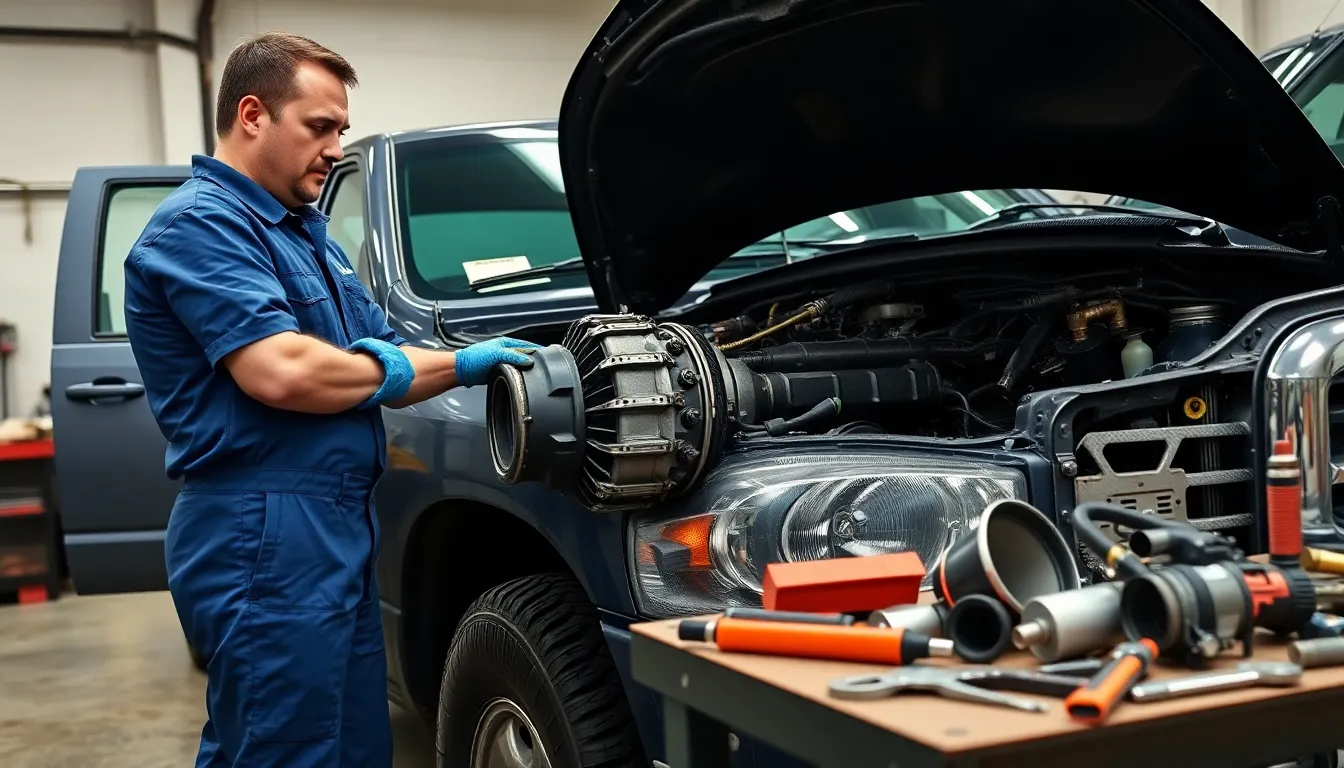
Transmission problems in the Dodge Ram 1500 come with varying repair costs depending on the severity and type of issue. Basic maintenance services like transmission fluid changes typically cost under $150 and play a crucial role in extending your transmission’s lifespan. More complex repairs can range from simple inspections to complete replacements, with costs reflecting the complexity of the work required.
DIY Fixes vs. Professional Repairs
DIY maintenance can save you money on basic transmission care for your Ram 1500. Routine tasks like checking fluid levels or performing fluid changes are manageable for owners with some mechanical knowledge. Using the correct type of transmission fluid is essential when doing these maintenance procedures yourself. Professional assistance becomes necessary for more complicated issues such as leaks, clutch problems, or internal damage that require specialized tools and expertise. Transmission leak inspections performed by professionals typically cost between $61 and $90 for labor alone. Attempting complex repairs without proper knowledge could potentially cause additional damage to your transmission system, resulting in higher repair costs down the road.
Transmission Rebuild vs. Replacement
Rebuilding your Ram 1500’s transmission involves disassembling the unit, replacing worn components, and reassembling it to restore functionality. This option typically costs less than a full replacement and works well for transmissions with moderate damage. Replacement becomes necessary when your transmission has suffered severe damage, featuring the complete removal of the existing unit and installation of a new or remanufactured transmission. Full transmission replacements average between $5,700 and $6,259, with parts costing around $4,600 and labor ranging from $1,094 to $1,606. A brand-new Ram transmission alone can exceed $3,500 depending on your exact model. Your decision between rebuilding or replacing should consider the extent of damage, the value of your vehicle, and long-term cost-effectiveness. Factors affecting your final cost include whether you have a manual or automatic transmission, your truck’s style, and whether you choose a dealership or independent shop for the repair work.
Preventative Maintenance Tips
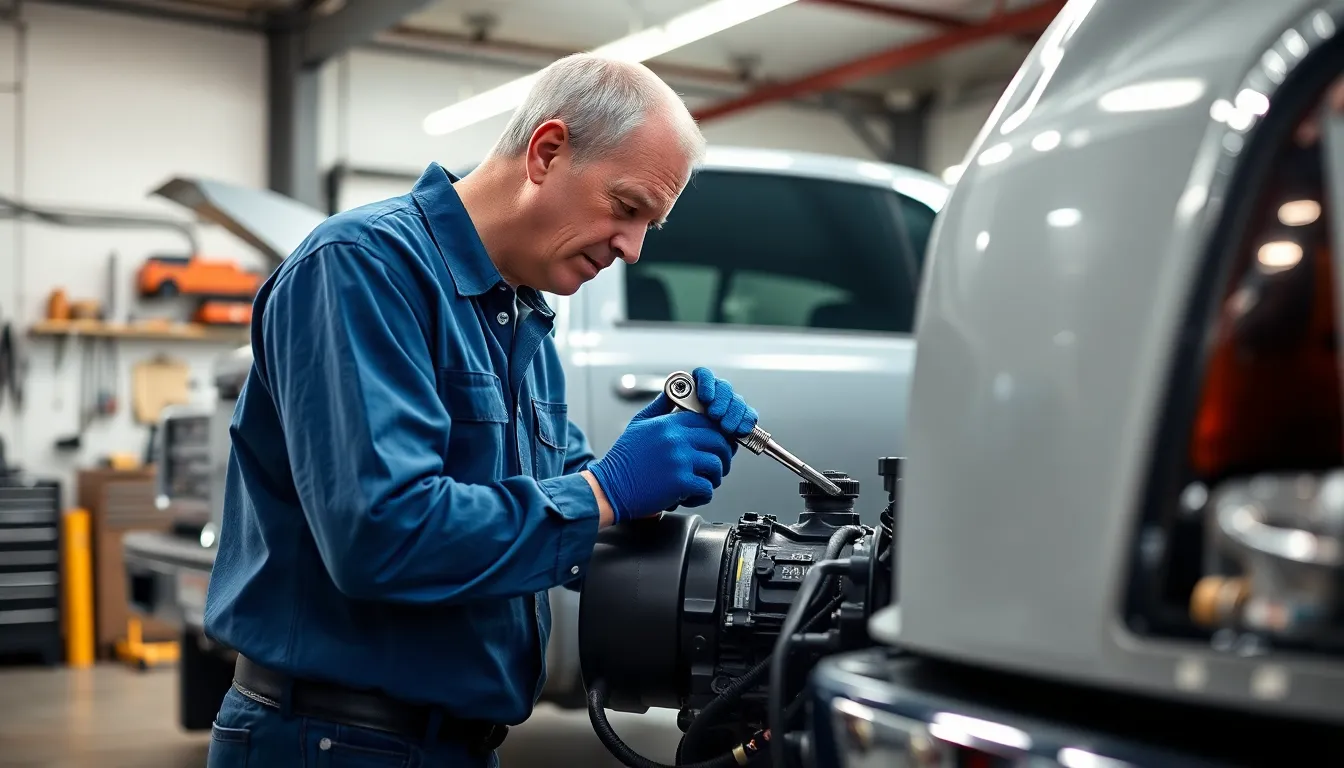
Regular transmission fluid checks help prevent many common Ram 1500 transmission problems. Inspect the fluid level and condition every 3,000 miles, looking for discoloration or a burnt smell that indicates degradation. Changing the fluid and automatic transmission filter approximately every 60,000 miles keeps critical components properly lubricated and removes harmful debris that can cause premature wear.
Mindful driving practices significantly extend transmission life in your Dodge Ram. Avoid aggressive acceleration, especially when towing heavy loads that put additional strain on the system. Let your truck warm up for 2-3 minutes before driving in cold weather, allowing the transmission fluid to reach optimal operating temperature and viscosity.
Early intervention when warning signs appear saves thousands in repair costs. Address unusual noises, shifting hesitation, or jerking motions immediately rather than waiting for complete failure. These symptoms often indicate minor issues that can be repaired for under $500 when caught early, compared to full transmission replacements exceeding $6,000.
Electrical system maintenance directly impacts transmission performance in modern Ram trucks. Keep your battery terminals clean and ensure proper voltage, as low battery power can disrupt the transmission control module’s operation. Many shifting problems in 2018-2019 models stem from electrical issues rather than mechanical failures.
Software updates from dealerships solve many transmission control problems in newer Ram 1500s. Transmission control modules occasionally require reprogramming to optimize shifting patterns and resolve electronic glitches. These updates typically cost $100-200 but prevent the frustrating erratic shifting reported in 2014-2018 models with 8-speed transmissions.
Cooling system maintenance prevents transmission overheating during demanding conditions. Ram 1500s with towing packages benefit from auxiliary transmission coolers that maintain optimal operating temperatures when hauling heavy loads. Overheating causes fluid breakdown and accelerates internal component wear, particularly in the 2012-2016 models already prone to temperature-related issues.
Dodge’s Response to Transmission Problems
Dodge has acknowledged the transmission issues affecting Ram 1500 trucks and implemented several measures to address owner concerns. The manufacturer has issued multiple technical service bulletins specifically targeting the shifting problems in 2012-2019 models. These bulletins provide dealership technicians with updated repair procedures and component specifications to resolve the most common complaints.
Software updates represent a important part of Dodge’s response strategy, particularly for the electronic issues affecting the 8-speed transmissions. Ram owners experiencing jerky shifts or delayed responses can inquire at dealerships about available transmission control module reprogramming. Many drivers report improved performance following these updates, though results vary depending on the exact issue.
For more serious mechanical failures, Dodge has extended warranty coverage in certain cases when widespread problems affect exact model years. The company’s response to the 2014 model’s acceleration problems has included some goodwill repairs for vehicles showing symptoms at relatively low mileage. Transmission replacements have been covered in many instances when the issues were identified within the warranty period.
Dealer service campaigns have been launched to address the shift interlock failures in 2015-2016 models that posed rollaway risks. These safety-related concerns prompted a more urgent response from the manufacturer compared to performance-related issues. Documentation shows Dodge prioritizing these repairs due to the potential safety hazards involved.
Customer satisfaction programs have been established for owners of affected vehicles outside the standard warranty period but experiencing known defects. These programs occasionally cover partial repair costs or extend coverage for exact components prone to failure. Transmission fluid contamination and sensor malfunctions in particular have been addressed through these targeted programs.
Dodge’s customer service approach has evolved as transmission complaints increased across multiple model years. The company now maintains dedicated technical teams focused on diagnosing complex transmission problems that dealership technicians might miss. This specialized support helps address the electrical and software malfunctions that frequently cause erratic shifting in newer Ram 1500 models.
Conclusion
Taking proactive steps with your Dodge Ram 1500’s transmission can save you important headaches and expenses down the road. Whether you own a problematic 2012-2016 model or another year with known issues regular maintenance remains your best defense against catastrophic failure.
Don’t ignore warning signs like shifting delays unusual noises or fluid leaks. These early indicators often signal larger problems developing. Remember that while DIY maintenance helps with basic care complex transmission issues require professional expertise.
Dodge has implemented various answers including software updates extended warranties and service campaigns but the responsibility eventually falls on you as the owner to stay vigilant. By combining regular maintenance with prompt attention to problems you’ll maximize your Ram 1500’s reliability and protect your investment for years to come.
Frequently Asked Questions
What are the most common transmission problems in Dodge Ram 1500 trucks?
The most common transmission problems include shifting delays (especially in 2001-2012 models), transmission overheating (particularly in 2012-2016 models when towing), harsh or erratic shifting (notable in 2014-2018 models with 8-speed transmissions), torque converter issues causing vibrations (common in 2009-2012 models), complete transmission failure in earlier models, and transmission fluid leaks (prevalent in 2003-2008 models).
Which Dodge Ram 1500 model years have the worst transmission issues?
The 2012-2016 model years are considered the most problematic, with widespread reports of hard shifting, slipping gears, and sudden jerking motions. The 2014 model year is particularly notorious for acceleration problems where engine RPMs increase without power reaching the wheels. The 2001-2003 models also suffer from age-related wear issues, especially after 100,000 miles.
What are the warning signs of transmission failure in a Ram 1500?
Key warning signs include shifting delays, hard shifts (reported in 2012, 2013, 2015, 2018, 2019, and 2021 models), transmission fluid leaks, and unusual noises during gear changes (like grinding or whining). These symptoms often indicate internal problems that require immediate attention to prevent more extensive transmission failures and extend the truck’s lifespan.
How much does it cost to repair Ram 1500 transmission problems?
Basic maintenance services like fluid changes typically cost under $150, while more complex repairs vary significantly. Transmission rebuilds are generally less expensive than full replacements, which average between $5,700 and $6,259. Minor issues caught early can often be fixed for under $500, while severe problems can exceed $3,000 in repair costs.
What maintenance can prevent Ram 1500 transmission problems?
Regular maintenance includes checking transmission fluid every 3,000 miles and changing fluid and filters approximately every 60,000 miles. Practice mindful driving by avoiding aggressive acceleration and allowing the truck to warm up in cold weather. Maintain the cooling system to prevent overheating, especially in models prone to temperature issues. Also, consider software updates from dealerships for newer models.
What has Dodge done to address Ram 1500 transmission issues?
Dodge has issued technical service bulletins for 2012-2019 models, providing updated repair procedures to dealerships. They’ve implemented software updates for electronic issues in 8-speed transmissions and extended warranty coverage for serious mechanical failures in certain cases. The company has also established customer satisfaction programs for owners experiencing known defects outside standard warranty periods.
Are specific Ram 1500 transmissions more problematic than others?
Yes, the 8-speed automatic transmission introduced in 2013 has been plagued by problems often appearing before 50,000 miles. The 545RFE 6-speed automatic (2012-2018 models) is known for harsh shifting and delayed engagement. The ZF-manufactured 8HP70 8-speed transmission exhibits cold start roughness, gear slipping, and fluid leaks, typically between 30,000-80,000 miles.
Should I rebuild or replace my faulty Ram 1500 transmission?
The decision depends on the extent of damage and your vehicle’s value. Rebuilds are generally less expensive but may not address all issues. Replacements offer longer-term reliability but at a higher cost. Consider your truck’s age, mileage, and overall condition. For newer trucks with significant value remaining, replacement might be more cost-effective long-term.