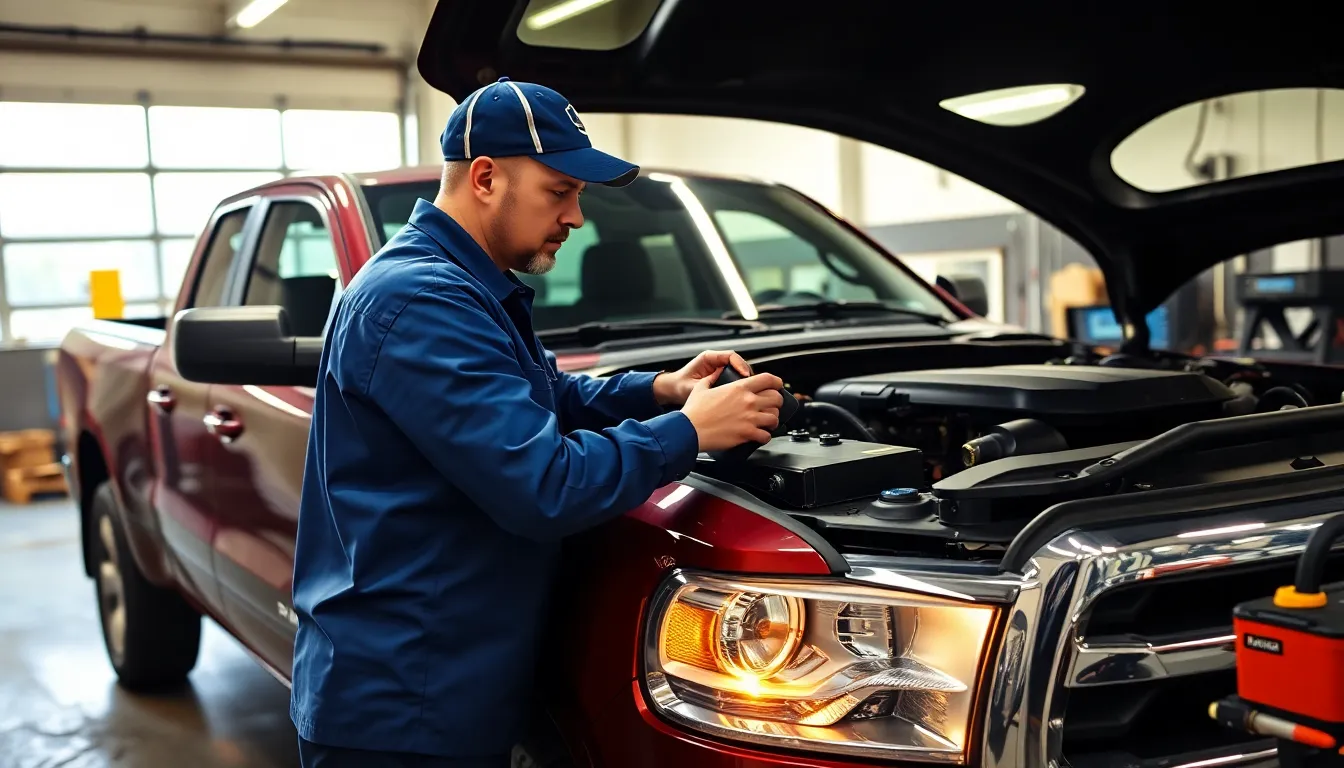
Are you experiencing Dodge Ram 1500 PCM problems? Your truck’s Powertrain Control Module (PCM) is essentially its brain, controlling everything from fuel injection to transmission shifting – and when it fails, you’ll know it.
Frustrating symptoms like rough idling, stalling, poor fuel economy, and check engine lights can all point to PCM issues in your Ram 1500. These problems might appear suddenly or develop gradually over time, leaving you wondering what’s wrong with your otherwise dependable truck. In this guide, we’ll explore the most common PCM failures, their warning signs, and what you can do to diagnose and fix them before they leave you stranded.
Understanding the PCM in Dodge Ram 1500 Trucks
The Powertrain Control Module (PCM) functions as the brain of your Dodge Ram 1500, controlling crucial engine and transmission operations. Located typically beneath the dashboard or in the engine compartment, this electronic control unit processes data from various sensors throughout your truck. Your PCM constantly monitors engine performance parameters including air-fuel mixture, ignition timing, and transmission shifting patterns.
Ram 1500 PCMs operate through complex algorithms that optimize engine efficiency and performance based on real-time conditions. These computers make instantaneous adjustments to maintain your truck’s reliability while maximizing fuel economy. Modern Ram trucks feature increasingly sophisticated PCMs that integrate with other vehicle systems like anti-lock brakes and stability control.
One customer, Jake from Colorado, shared: “I didn’t realize how important the PCM was until mine failed during a camping trip. My truck suddenly lost power climbing a mountain pass, leaving me stranded for hours.”
The PCM’s diagnostic capabilities also help identify potential issues before they cause catastrophic failures. Your truck’s PCM stores fault codes when it detects abnormal sensor readings or performance parameters, allowing mechanics to pinpoint problems accurately during diagnostics. These stored codes provide valuable insight into your Ram’s mechanical health and help technicians address underlying issues efficiently.
Common Symptoms of PCM Failure in Dodge Ram 1500
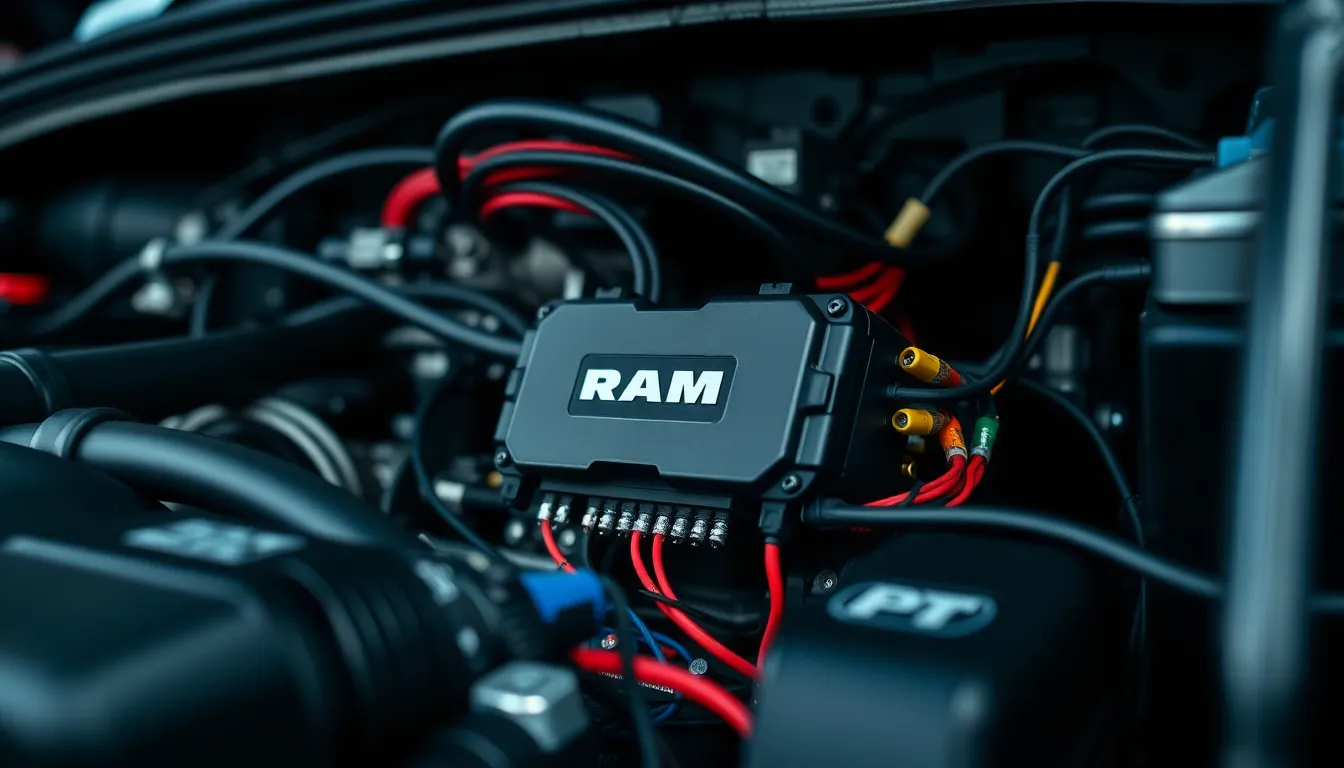
The Powertrain Control Module (PCM) in your Dodge Ram 1500 manages critical engine and transmission functions, and when it fails, several distinctive symptoms emerge. Recognizing these warning signs early can save you from expensive repairs and being stranded on the road.
Engine Performance Issues
Engine performance problems are the most noticeable indicators of PCM failure in Dodge Ram 1500 trucks. Your truck might stumble, buck, or run inconsistently when the PCM struggles to properly control ignition timing and fuel delivery. Many owners report their engines idling roughly or failing to start properly, sometimes experiencing intermittent drivability issues where the engine runs smoothly at times but performs poorly at others. These fluctuating problems often temporarily improve after resetting the PCM but return once the underlying issue resurfaces. The PCM’s inability to accurately process sensor data directly impacts throttle response, creating a frustrating driving experience characterized by unpredictable power delivery.
Electrical System Malfunctions
PCM failures commonly trigger various electrical anomalies throughout your Dodge Ram 1500. Dashboard gauges, particularly the battery and fuel indicators, may display incorrect readings or stop functioning altogether. These symptoms occur because the PCM manages signals from many sensors that control your instrument panel. You might notice flickering gauges, erratic electrical behavior, or complete loss of certain electrical functions while driving. The PCM’s role in coordinating electrical components means its failure can create a domino effect of electrical issues that seem unrelated but share the same root cause.
Transmission Problems
Transmission operation deteriorates significantly when the PCM malfunctions in your Ram 1500. Erratic or harsh shifting, slipping gears, or complete failure to engage certain gears properly points toward PCM issues affecting transmission control. Your truck’s fuel economy may decrease noticeably due to inefficient powertrain operation caused by PCM failure. The transmission might hesitate between shifts or slam into gear unexpectedly, creating a jarring driving experience. Since the PCM controls critical transmission functions like shift points and torque converter lockup, any damage to its circuitry or programming directly impacts how smoothly your truck changes gears.
Additional warning signs include an illuminated Check Engine Light, significantly reduced fuel efficiency, increased emissions, and persistent starting difficulties. Professional diagnostic scanning often reveals error codes related to PCM communication issues when these symptoms appear together.
Major PCM Problems in Dodge Ram 1500 Models
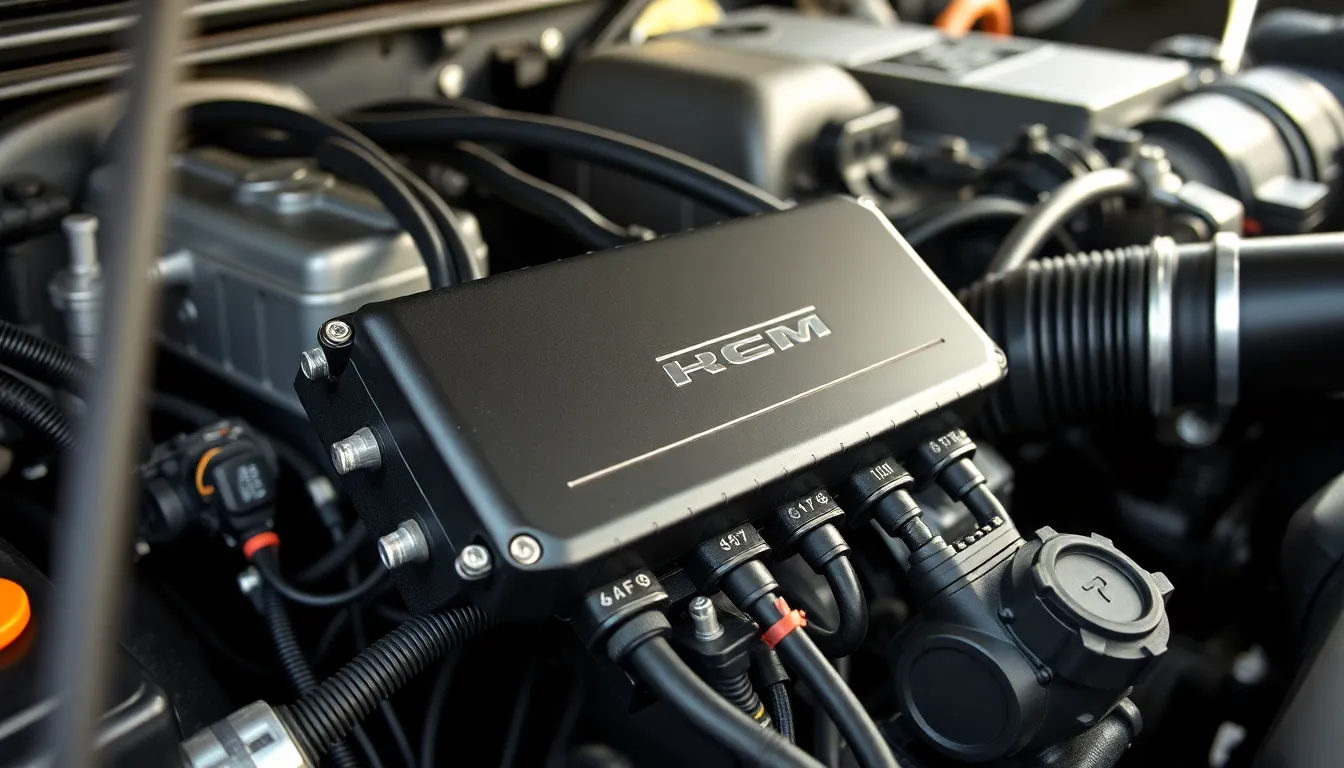
The Powertrain Control Module (PCM) in Dodge Ram 1500 trucks frequently experiences exact issues across different model years. These problems can significantly impact vehicle performance and reliability, leading to frustrating situations for owners.
2014-2019 Model Year Issues
Recent Dodge Ram 1500 models (2014-2019) commonly exhibit several PCM-related problems. Software glitches prevent the PCM from properly recognizing newly installed equipment, causing compatibility issues throughout the vehicle’s systems. Check engine lights frequently illuminate as a direct result of these PCM malfunctions, serving as the first warning sign for many owners.
Engine stalling represents another critical issue, with trucks unexpectedly shutting down during operation due to faulty PCM performance. Fuel economy drops noticeably when the PCM malfunctions, simultaneously increasing harmful emissions as the engine runs less efficiently. Transmission shifting problems also plague these model years, with rough or delayed gear changes directly attributable to PCM failures.
Earlier Generation PCM Failures
Older Dodge Ram 1500 models, particularly those from 2004, face their own set of PCM challenges. Check engine lights commonly appear in these trucks due to various ECM (also referred to as PCM) malfunctions. Sudden and dramatic decreases in gas mileage often occur without warning, leaving owners puzzled by their vehicle’s increased fuel consumption.
Engine stalling or stuttering creates dangerous driving conditions when the ECM fails to properly regulate engine performance. Timing issues frequently develop in these earlier models, with the PCM unable to maintain proper ignition and valve timing sequences. Diagnostic procedures involve comparing actual sensor readings against manufacturer-specified values to identify exact failure points in the system.
PCM replacement requires accessing the module (typically located in the engine bay), carefully disconnecting it, installing the new unit, and performing comprehensive testing to ensure proper integration with the vehicle’s systems.
Diagnosing PCM Problems in Your Dodge Ram
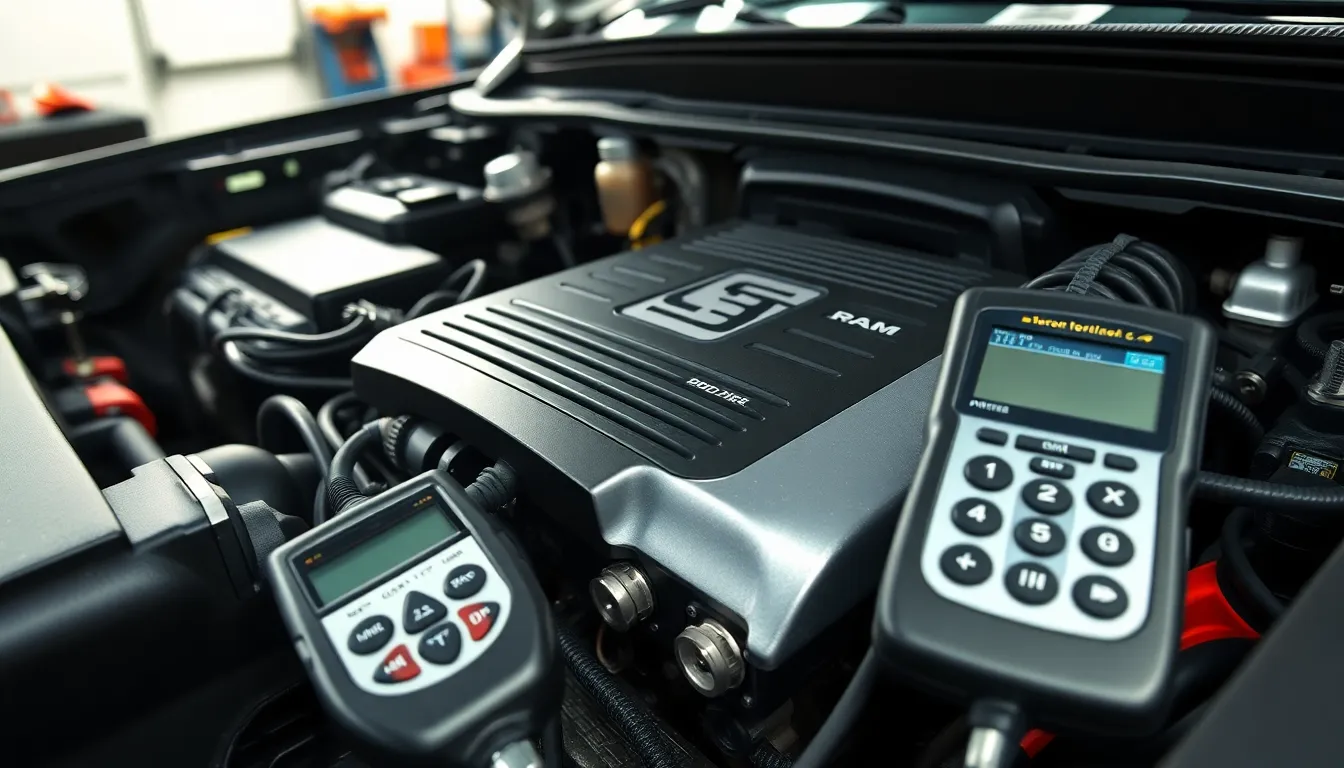
Identifying PCM issues in your Dodge Ram 1500 requires systematic troubleshooting and the right diagnostic equipment. PCM problems often manifest through exact symptoms that can be traced back to the vehicle’s electronic brain.
Common PCM Problems
The Dodge Ram 1500 experiences several recurring PCM issues that owners should recognize. Software glitches frequently cause performance degradation and unexpected engine stalls during normal operation. PCMs sometimes fail to recognize newly installed equipment, particularly after modifications or repairs without proper updates. Communication failures resulting in “No BUS” dashboard warnings indicate serious PCM connectivity issues that require VIN programming after replacement. Engine performance problems, including stalling, misfires, and timing irregularities, often trace back to PCM malfunctions. Transmission shifting complications, such as harsh shifts or delayed engagement, typically stem from PCM errors affecting the transmission control system.
Using OBD-II Diagnostic Tools
OBD-II scanners provide essential insights into your Ram’s PCM functionality through digital diagnostics. These tools connect directly to your truck’s diagnostic port, enabling you to read trouble codes stored in the PCM’s memory. Modern scanners display real-time data streams showing critical parameters like engine RPM, coolant temperature, oxygen sensor readings, and fuel trim values. Advanced OBD-II tools can perform active tests on exact vehicle systems, letting you evaluate fuel delivery, transmission operation, and sensor functionality. The diagnostic information gathered helps pinpoint whether issues originate from the PCM itself or from components the PCM is monitoring, saving considerable troubleshooting time.
Professional Diagnostic Methods
Professional technicians employ specialized techniques to accurately diagnose PCM-related issues in Dodge Rams. Power and ground testing verifies stable electrical connections to the PCM, as fluctuating voltage can cause erratic behavior that mimics internal PCM failure. PCI BUS signal analysis checks the digital communication pathways between the PCM and other control modules, ensuring proper data exchange throughout the vehicle network. Comprehensive scan tool analysis goes beyond basic code reading, allowing technicians to monitor multiple parameters simultaneously while performing road tests. Technicians often perform PCM reset procedures to clear adaptive memory when diagnosing intermittent issues, determining if problems resolve temporarily. In cases of confirmed PCM failure, replacement units must undergo precise VIN programming to match your exact truck’s configuration, preventing compatibility problems that could lead to additional failures.
PCM Replacement and Repair Options
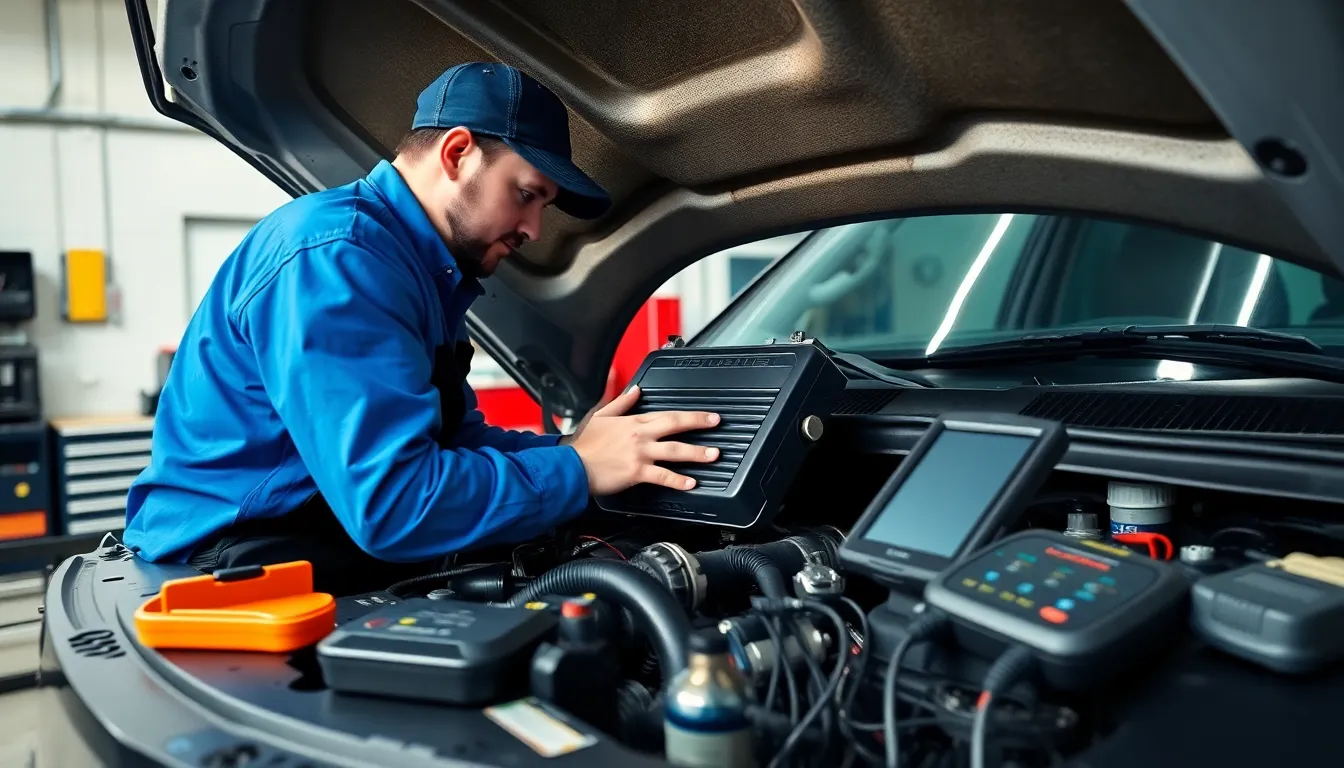
When your Dodge Ram 1500’s PCM fails, you’ve got two main paths forward: repair or replacement. The PCM’s central role in managing your truck’s engine and transmission functions means addressing these issues promptly is crucial for restoring proper vehicle operation.
DIY vs. Professional Replacement
DIY replacement is possible for those with technical experience and the right tools. The process involves disconnecting the battery, locating the PCM (typically under the dashboard or in the engine compartment), removing electrical connectors, swapping the unit, and reconnecting everything properly. Many Ram owners with mechanical backgrounds have successfully replaced their PCMs, though the programming step presents the biggest challenge. Professional replacement, on the other hand, offers important advantages even though the higher cost. Certified technicians possess dealer-level diagnostic equipment and software access that ensures proper installation and programming. They’re also familiar with common model-exact issues and can verify that the replacement resolves the underlying problem rather than just treating symptoms.
Programming a New PCM
Programming your new PCM isn’t optional—it’s absolutely essential for proper vehicle operation. The process, also called flashing or relearning, loads your vehicle’s exact configuration data into the replacement unit. This includes critical parameters like immobilizer/security settings, engine calibrations, transmission shift points, and sensor baselines. Most programming requires specialized equipment such as dealer-level diagnostic tools or advanced aftermarket scan tools like the Snap-on MODIS or Autel MaxiSys. Improper programming often leads to serious driveability issues or complete failure to start. The PCM must recognize your truck’s VIN and exact equipment configurations to function correctly with all onboard systems. Many shops charge $150-300 for programming services alone, making it a important consideration in your repair budget.
Cost Analysis for PCM Repairs
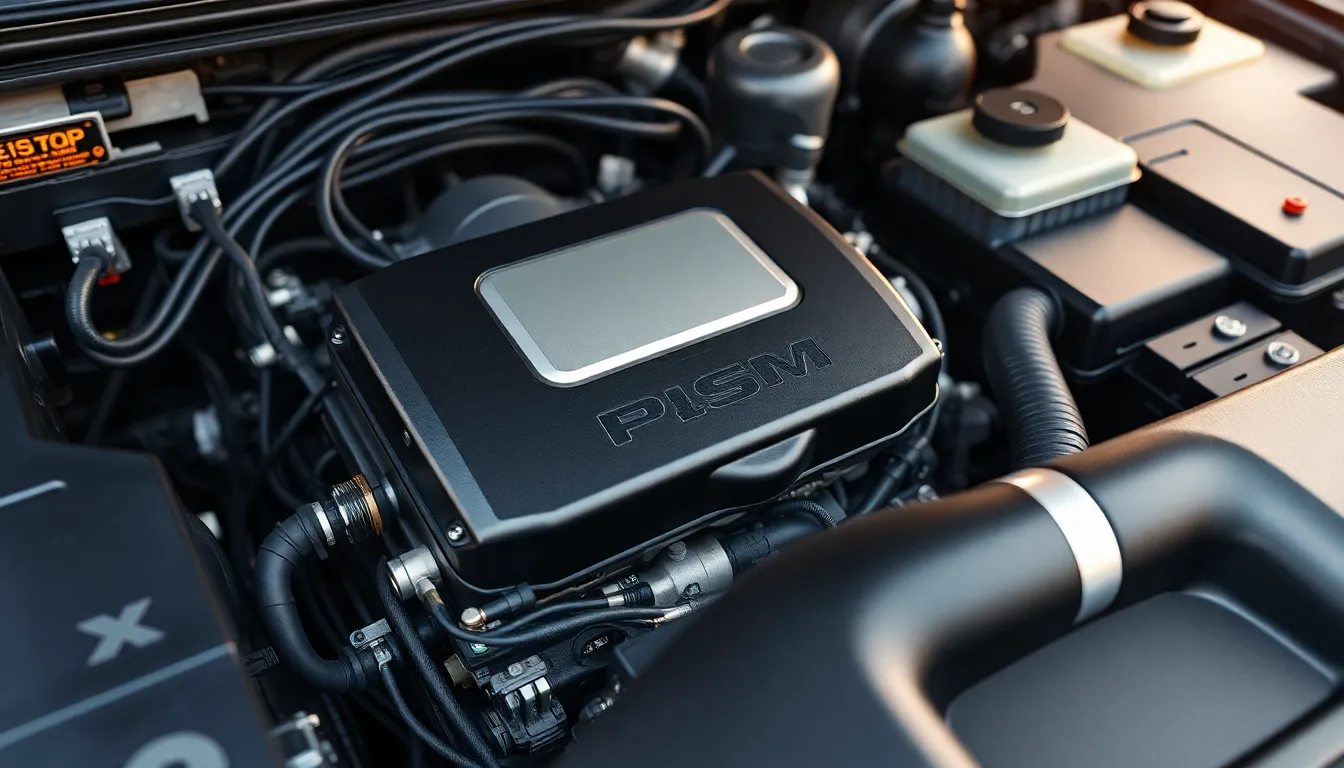
Replacing the PCM in your Dodge Ram 1500 represents a important investment due to the component’s complexity and critical role in vehicle operation. The average replacement cost ranges between $980 and $1,140 for most Ram 1500 models. Labor expenses account for approximately $81 to $118 of this total, while the PCM unit itself costs roughly $899 to $1,021.
These price estimates don’t include applicable taxes, shop fees, or additional repairs that might become necessary during the diagnosis and replacement process. Regional price variations exist based on your location and the repair facility you choose. Urban areas typically command higher rates than rural service centers.
PCM replacement becomes essential when facing issues like a non-functioning fuel pump, as the module controls many engine and fuel systems. Addressing PCM problems promptly helps restore your truck’s reliability and performance while preventing more extensive damage to related components. Many Ram owners report that even though the high initial cost, PCM replacement resolves multiple persistent issues simultaneously, making it a worthwhile repair when diagnosed correctly.
Preventative Maintenance to Protect Your PCM
Regular maintenance helps prevent costly PCM failures in your Dodge Ram 1500. Implementing these preventative measures can significantly extend the lifespan of your PCM and maintain optimal vehicle performance.
Electrical System Maintenance
Your Ram’s electrical system requires routine inspection to prevent PCM damage. Regularly check for corroded connections, damaged wires, and loose battery terminals that might send erratic signals to your PCM. Clean battery terminals with a wire brush to remove corrosion buildup that can interfere with proper electrical flow. Ensuring your alternator functions correctly prevents voltage spikes that commonly damage sensitive PCM components over time.
Fuse and Relay Inspection
Faulty fuses and relays directly impact PCM performance in Dodge Ram trucks. Inspect and replace any blown fuses or damaged relays connected to the PCM and fuel systems. Locate your truck’s fuse box (typically under the dashboard or in the engine compartment) and verify that all PCM-related fuses appear intact without discoloration or broken filaments. Replacing questionable fuses costs just a few dollars but prevents hundreds in potential PCM damage.
PCM Reset Procedure
Resetting your PCM occasionally clears minor glitches before they become major problems. Disconnect the negative battery cable for approximately 20 minutes, allowing complete system shutdown and memory reset. This simple procedure clears error codes and often improves performance temporarily when your Ram experiences minor electronic hiccups. Reconnect the battery after the waiting period and start your engine to complete the reset process.
Responding to Warning Signs
Addressing check engine lights promptly prevents PCM damage in your Dodge Ram 1500. Don’t ignore dashboard warning indicators that might signal communication issues between your PCM and vehicle systems. Monitor for sudden changes in fuel economy, unusual engine behavior, or transmission shifting problems—all early indicators of developing PCM issues. Taking action at the first sign of trouble prevents your PCM from compensating incorrectly and potentially causing additional damage to connected systems.
Professional Electronic System Checks
Schedule periodic electronic system diagnostics with qualified technicians familiar with Dodge Ram PCM systems. Professional diagnostics identify potential problems before they escalate into complete PCM failure. These comprehensive checks examine communication between your PCM and other vehicle modules, verifying proper signal transmission throughout your truck’s computer network. Early detection through professional scanning tools catches issues that aren’t yet noticeable during everyday driving.
Conclusion
Your Dodge Ram 1500’s PCM is truly the brain of your truck and addressing problems promptly is essential for maintaining performance and reliability. When you notice symptoms like rough idling stalling or transmission issues don’t wait until you’re stranded roadside.
While PCM replacement costs between $980-$1,140 this investment often resolves multiple issues simultaneously. Whether you choose DIY repair or professional service ensure proper programming with your exact VIN data.
Remember that preventative maintenance can extend your PCM’s life. Regular electrical system inspections responding to warning signs and scheduled professional checkups will help you avoid costly failures. With proper care and timely intervention your Ram 1500 can continue delivering the dependable performance you expect from this powerful truck.
Frequently Asked Questions
What is a Powertrain Control Module (PCM) in a Dodge Ram 1500?
The PCM is essentially the brain of your Dodge Ram 1500, controlling critical functions like fuel injection, ignition timing, and transmission shifting. It processes data from multiple sensors throughout your vehicle to optimize engine performance and efficiency through complex algorithms, ensuring all systems work together properly.
What are common symptoms of PCM failure in a Dodge Ram 1500?
Common symptoms include rough idling, engine stalling, poor fuel economy, check engine light illumination, stumbling during acceleration, erratic electrical behavior, harsh transmission shifting, incorrect dashboard readings, and persistent starting difficulties. These issues can develop gradually or appear suddenly.
How much does it cost to replace a PCM in a Dodge Ram 1500?
PCM replacement typically costs between $980 to $1,140. This includes $81 to $118 for labor and $899 to $1,021 for the PCM unit itself. These estimates exclude taxes, shop fees, and potential additional repairs. Despite the high initial cost, proper PCM replacement often resolves multiple persistent issues.
Can I replace the PCM myself or should I hire a professional?
While DIY PCM replacement is possible if you have technical skills, programming the new unit requires specialized equipment. Professional replacement ensures proper installation and programming with the correct vehicle-specific configuration data. For most owners, professional service is recommended to avoid compatibility issues.
What diagnostic tools can identify PCM problems?
OBD-II diagnostic tools are essential for identifying PCM issues, providing real-time data and trouble codes. Professional diagnostics may include power and ground testing, PCI BUS signal analysis, and comprehensive scan tool analysis to accurately diagnose PCM-related problems before replacement.
What preventative maintenance can protect the PCM?
Regularly inspect your electrical system for corroded connections, ensure proper alternator function, check PCM-related fuses and relays, perform occasional PCM reset procedures to clear minor glitches, respond promptly to warning lights, and schedule professional electronic system checks to identify potential issues before they become serious.
Are PCM issues specific to certain Dodge Ram 1500 model years?
Yes. Models from 2014-2019 commonly experience software glitches, compatibility problems with new equipment, frequent check engine light activations, and transmission shifting issues. Older models, particularly 2004 versions, are prone to sudden drops in gas mileage, engine stalling, and timing issues.
Why is proper PCM programming important after replacement?
Proper programming ensures the PCM contains the correct vehicle-specific configuration data and is compatible with your exact Dodge Ram 1500 model. Without accurate VIN programming, the replacement unit may not function correctly, potentially causing new issues or leaving existing problems unresolved.