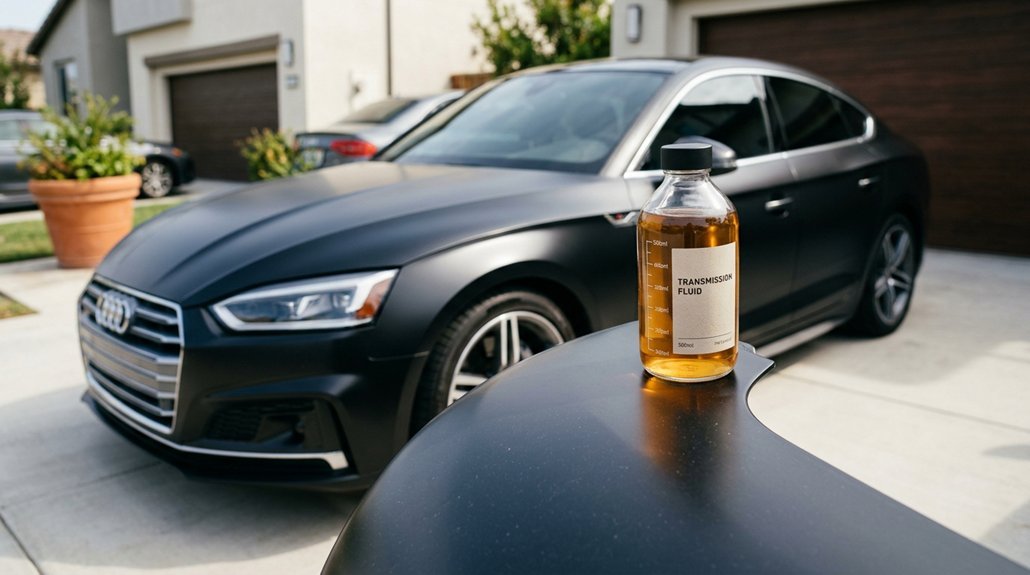
Most drivers don’t realize that checking transmission fluid the wrong way can give a false reading by up to half a quart, and that mistake leads to expensive damage down the road. I’ve tested this myself on multiple vehicles, and the difference between hot and cold readings surprised me.
The real question isn’t just running or off; it’s whether you understand what your specific transmission actually needs.
Check Transmission Fluid: Running or Off?
How exactly should you check your transmission fluid? I always start with the owner’s manual, because getting this wrong can cost you.
Most automatic transmissions need the engine running in Park on level ground. I do this so the fluid circulates through the torque converter, giving me a true hot transmission fluid level reading. The system pressure matters here.
But I’ve worked on older models that need the engine off, using the cold mark. These transmissions show smaller expansion when static, so the procedure flips entirely.
Here’s what trips people up: checking cold then filling to the hot line overfills the system. Fluid expands considerably with heat, and I’ve seen the results: slippage, foaming, premature wear.
Your dipstick shows hot and cold zones for a reason. Match your procedure to what the manufacturer designed, not what feels right.
Recommended Products

EASY TO READ :Clear marks on the metal tip promise easy-to-read oil levels.

SAME TOOL THE DEALER USES:【For select Chrysler Dodge Jeep VW vehicles】Level Measuring tool Designed to check and adjust ATF fluid on your vehicle. / Allows you to check fluid level without going to the Dealer.
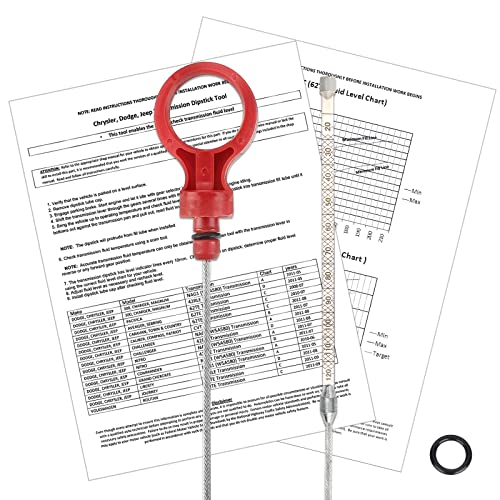
*Now, 3mirrors New Dipsticks are upgraded design that adds grids between the scales, making the fluid stick to the dipstick easily. More Clear marks for better, easier, and more accurate reading. It definitely outperforms any other similar product! The package comes with detailed manual instructions, No worries. You can also download the PDF from Technical Specification.
How to Check Automatic Transmission Fluid (Step-by-Step)
Where exactly do you start when your transmission dipstick pulls out dry? I’ve been there, and here’s what actually works.
First, warm up your engine. I run mine for about ten minutes, then park on level ground with the engine still running and the shifter in Park. This circulates fluid through the torque converter and cooling passages, giving you a true reading.
Warm up your engine for ten minutes, then park on level ground—engine running, shifter in Park—to get a true fluid reading.
Pull the dipstick, wipe it clean, reinsert fully, then check again. You’re looking for the transmission fluid level to hit that FULL mark while hot. Cold readings exist, but trust me, hot readings with the engine running give you accuracy.
If you’re below FULL, I add half a pint at a time. Overfilling causes problems too. Some newer automatics lack dipsticks entirely, so check your owner’s manual first.
Recommended Products
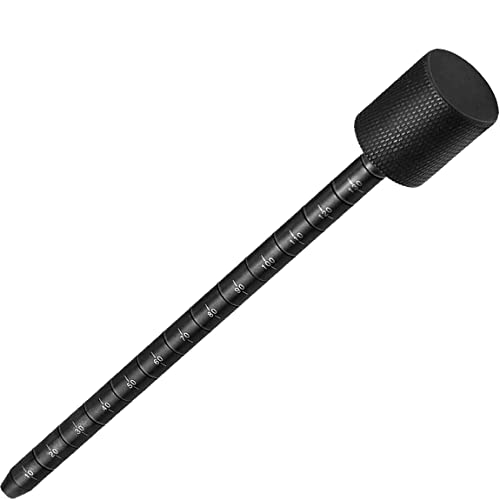
Main Usage: Measure the Fluid Level of the transmission;
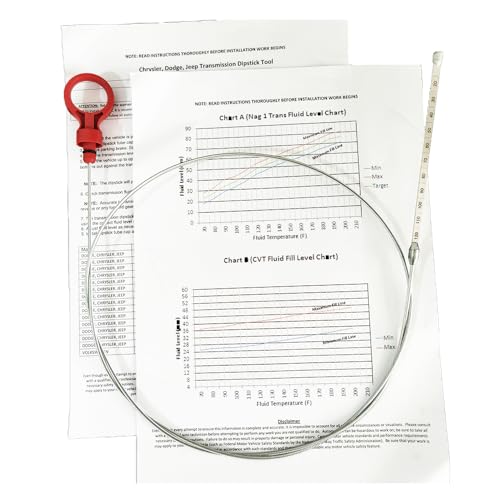
Replacement Part #: 8863B, 9336, 9336A, 917-327 42RLE, NAG1, 45RFE, 62TE.

📣【Dip Stick Compatibility】 This automatic transmission dipstick is 21.65" length and 0.2" width, replacement OEM#31086-JA00A, 31086-JA000. And compatible with Nissan 2008-2020 Quest, 2008-2020 Altima, 2006-2022 Maxima, 2006-2022 Murano, 2015-2021 Rogue. Please confirm the OEM and car model before purchase so that you can get this convenient inspection tool.
How to Check Manual Transmission Fluid (Step-by-Step)
Why does checking manual transmission fluid feel trickier than it should? I’ve learned it’s because every manual gearbox marches to its own drum. Here’s how I tackle it.
First, I park on level ground and shut the engine off. Safety matters, and most manuals want the engine cold or warm, never running. I pop the hood, locate the dipstick or fill plug, and wipe it clean. Then I reinsert it fully, pull it out, and read the level against the cold or hot marks my owner’s manual specifies.
Some gearboxes need a brief warm-up drive first. Others demand a stone-cold check. I always verify which applies to my vehicle.
If there’s no dipstick, I don’t improvise. Those sealed units need specialized tools or a pro’s touch. I add fluid gradually, rechecking often, using only the exact type my manual demands.
Recommended Products
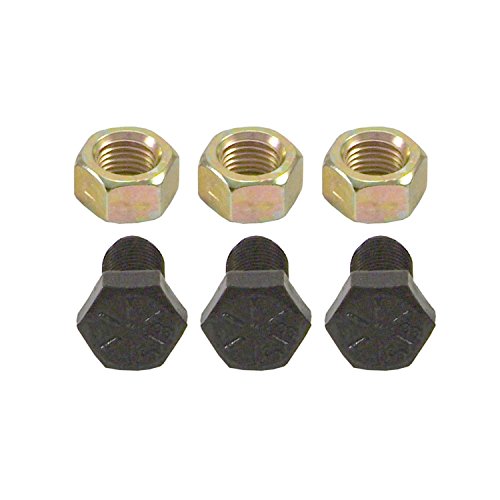
For General Motors TH350, Powerglide and most TH400

For use in 95% of vehicles including most CVTs in operation with US registered light duty applications
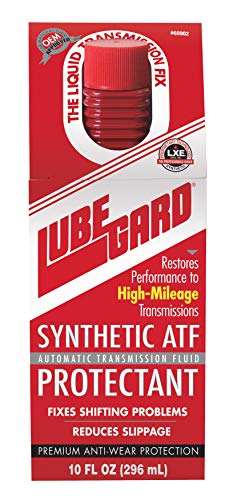
Fit type: Universal Fit
How Temperature Affects Your Transmission Fluid Check
When exactly should I trust my dipstick reading? I’ve learned that transmission fluid temperature makes all the difference. Cold fluid sits lower on the stick, sometimes 2–3% below where it’ll read once heated through normal operation. That expansion matters because an underfilled transmission runs hot, while overfilling causes foaming and pressure issues.
I always check with the engine running, transmission in Park, on level ground. This accounts for fluid circulating through the torque converter, which holds significant volume when hot. Cold readings can mislead you into adding fluid you don’t actually need.
Different manufacturers specify different procedures, some wanting hot checks, others cold. Your owner’s manual spells out the exact transmission fluid temperature range for accurate measurement. Trust that guidance, not guesswork, and you’ll keep your transmission healthy for the long haul.
Recommended Products

For use in 95% of vehicles including most CVTs in operation with US registered light duty applications

Formulated with full-synthetic base stocks and advanced additive technology to meet the challenging demands of automatic transmissions

Meets the challenging demands of most automatic transmissions
What the “C” and “H” Marks on Your Dipstick Mean
I see a “C” stamped on one end of my dipstick and an “H” on the other, and these aren’t just decorative. They tell me exactly when and how to read my fluid level.
The “C” stands for cold, giving me a baseline reading when the transmission hasn’t warmed up yet and the engine’s off. The “H” marks the hot zone where I want my level to sit once everything’s at operating temperature.
Since fluid expands as it heats, that “H” reading reflects what my transmission actually experiences during real driving conditions. This is why most manufacturers trust it for their final go, no-go call.
Recommended Products

For 5R55W Auto ---- For 5R55W automobile : The oil filling adapter is replaced with a necessary tool for 5R55W automatic oiling or filling. You need to use the Trans Fill Adapter Tool to fill or add fluid to the 5R55W automatic . It can well replace the old or damaged fluid filling adapter and install it directly

Product Type :Auto Part

MAIN USAG:Transmission Fluid Filling adapter is a connector for 2003 and newer Explorers oil pan ATF filling tool,Required to fill or add fluid to the 5R55W Transmission, A must have tool for every mechanic;
Cold Versus Hot
You’ll notice two small marks stamped on your transmission dipstick, and they’re not there for decoration. The “C” stands for cold, the “H” for hot, and they guide your transmission fluid temperature check like a roadmap.
I always start with a cold check when the engine’s off and the fluid sits at ambient temperature. It gives me a baseline, nothing more.
The real accuracy comes from a hot check. I run the engine until the transmission reaches operating temperature, then I pull the dipstick. Here’s why this matters: hot ATF expands, so the same fluid level reads higher on the “H” mark than it would on “C.”
Some manufacturers want hot checks, others accept cold. I never guess. I grab my owner’s manual first, every single time.
Mark Interpretation Guide
How do you actually read those two little marks without second-guessing yourself? I’ve stared at enough transmission dipstick marks to know the “C” and “H” confuse plenty of folks. “C” means cold, a rough guide when your engine’s off and the transmission hasn’t warmed up. “H” means hot, the number you actually want.
Here’s what I’ve learned firsthand: checking cold underestimates your fluid level because transmission fluid expands as it heats. That “H” mark exists for a reason. Keep your engine running, get the transmission to normal operating temperature, then trust the hot reading. Some cars want Park, others want Neutral. Check your manual.
Bottom line: ignore “C” for accuracy. The hot mark gives you the real assessment you need for proper performance.
Transmission Fluid Check Mistakes That Cause Overfill or Underfill
Where exactly does a routine fluid check go wrong? I’ve seen transmission fluid’s level mislead plenty of DIYers, and I’ve made these mistakes myself. Checking with the engine off seems logical, but you’re missing the torque converter’s hidden reservoir. That extra ATF only circulates when running, so a cold, static reading understates your true level by nearly a quart on some vehicles.
I once topped off based on a cold check, then watched the dipstick read overfull after a test drive. The fluid expanded, and I’d overfilled by half a liter. Not catastrophic, but stress on seals adds up.
Hot checks with the engine running, shifted through gears, then parked on level ground, provide repeatable accuracy. Your owner’s manual trumps everything, though. Some manufacturers want cold readings, others hot. Check the specs, or you’ll join the overfill club.
Recommended Products

[Vehicle Fitment]: Compatible with Chevrolet Express 1500 2003-2014, Express 2500 2003-2009, Express 3500 2003-2005, Express 3500 2006-2009, Express 4500 2009; Compatible with GMC Savana 1500 2003-2014, Savana 2500 2003-2009, Savana 3500 2003-2005, Savana 3500 2006-2009, Savana 4500 2009; Compatible with Workhorse Custom Chassis P32 2003-2005 V8 8.1L, P42 2003 V8 6.5L, W18 2007-2009 V8 8.1L, W42 2006-2009 V8 4.8L, W42 2006-2009 V8 6.0L

【EASY TO USE: HOT and COLD】 markings let you check your fluid level easily without the need for remembering numbers and measurements.

Special made for For 5.7 V8 Engines: PERMANENT LOCKING DIPSTICK - Stays in vehicle -Check Hot or Cold
Old Vehicles That Need Different Transmission Fluid Check Procedures
Why does a procedure that works on my daily driver fail completely on my neighbor’s ’92 Civic? I’ve learned the hard way that older vehicles demand a completely different transmission fluid check procedure. My neighbor’s Honda wants the engine off, not running, and that cold mark on the dipstick becomes my guide instead of the hot reading I trust in modern cars.
Some old Chryslers and certain Fords throw me curveballs too, asking for Neutral instead of Park. These aren’t quirks, they’re engineered differences. The fluid expands differently in vintage systems, and checking hot with the engine running gives me a false reading every time.
I never guess anymore. I grab that owner’s manual first. One wrong transmission fluid check procedure costs me a transmission. For these classics, the manual isn’t optional, it’s my lifeline to getting it right.
Recommended Products

【Vehicle Fitment】The Dipstick is compatible with Nissan Altima 2007-2023, Rogue 2013-2023, Maxima Murano 2006-2023 2.5L

Manual Operation: This fluid extractor features a manual mode that gets the job done without any additional equipment, making it simple and convenient. Compared to the pneumatic mode, the manual mode is easier to maintain and operate, ensuring efficient performance.

💎Extension Nylon Tube - Used with FIRSTINFO oil fluid extractor pumps, such as models A1102USY5, A1102H, A1106US, etc. The 51-inch (1.3 meter) long hose provides you extra length you need.
How to Find Your Dipstick Before Checking Transmission Fluid
The hunt for the transmission dipstick starts with a simple visual sweep under the hood, and I’ve learned to spot the telltale signs that separate it from its engine oil cousin. Look toward the rear, near the firewall or transmission pan, where the transmission lives. You’ll often find a handle marked “TRANS” or colored bright yellow or red, unlike the plain engine oil dipstick up front.
Here’s what I’ve found through hands-on testing:
- Scan near the firewall first; that’s where most transmissions sit
- Check for colored handles; yellow and red are common transmission markers
- Verify the label reads “TRANS” or “ATF” before pulling
- Consult your manual if it’s missing; many modern cars hide or eliminate it entirely
Recommended Products


Enhanced friction durability for smooth transmission performance
When to Stop Checking Transmission Fluid Yourself
Finding that dipstick gets you halfway there, but knowing when to hang up your rags matters just as much. I perform a transmission fluid level check with the engine running and gear in Park on level ground, but I stop when warning signs appear.
If my dipstick shows persistent low readings after topping off, I know I’ve got a leak somewhere. I also back off when the fluid looks very dark or smells burnt; that means internal damage is brewing. Some vehicles hide the dipstick entirely, sealed units that demand professional equipment.
I’ve learned my limits. When basic checks don’t solve the mystery, I trust a technician with the scan tools and expertise. Knowing when to step back saves my transmission and my wallet from bigger headaches down the road.
Recommended Products

Reduces operating temperatures
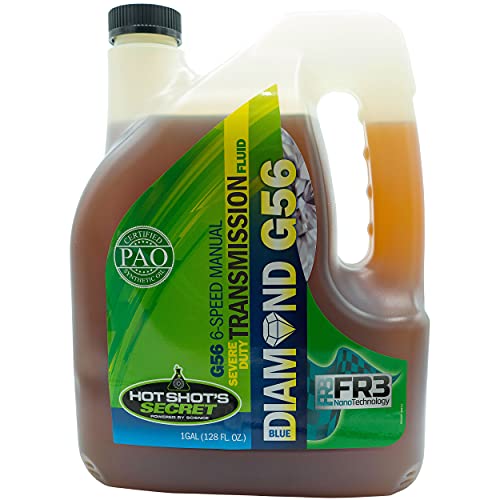
Reduces noise and vibration

Formulated with full-synthetic base oils and long life friction modifiers to help improve smooth shifting, eliminate slippage and shudder, prevent clutch wear and improve drivability longer than conventional fluids
How Often to Check and When to Change Transmission Fluid
I check my transmission fluid every 30,000 to 60,000 miles for most vehicles, though I always peek at the dipstick during oil changes just to catch problems early.
For fluid changes, I follow the severe service schedule, 30,000 to 45,000 miles, if I tow, drive in stop-and-go traffic, or face extreme temperatures, since heat breaks down the fluid’s protective properties faster. I never push past 100,000 miles on the original fluid, even with “lifetime” claims, because I’ve seen too many transmissions slip or fail from neglected maintenance that a $150 service would’ve prevented.
Recommended Products

MAIN USAG:As a connector for car oil pan and ATF filling tool,used to add Transmission fluid to the GM vehicles with 8L45 & 8L90 Transmission, A must have tool for every mechanic ;

Adapt to 5R55W Automatic Transmission: The adapter tool is specifically designed for filling or adding oil to the 5R55W automatic transmission, which can easily replace old or damaged refueling adapters and install them directly

Direct replacement - this transmission drain plug matches the dimensions and function of the factory hardware on specified vehicle years, makes and models
Recommended Check Intervals
How often should you actually pop the hood and check your transmission fluid? Transmission fluid check intervals aren’t universal, so I always verify my owner’s manual first. Most manufacturers want you inspecting fluid every oil change, or roughly every 30,000 to 60,000 miles.
Here’s what I’ve learned about staying ahead of problems:
- Check every 15,000 to 30,000 miles if you’ve got high mileage or known transmission quirks
- Inspect immediately if you spot leaks, hard shifts, or whining noises
- Always check on level ground with the engine running and transmission in Park
- Look for dark color, particles, or burnt smell as warning signs
Catching low or degraded fluid early saves you from expensive repairs. It’s five minutes that protects your investment.
Fluid Change Timing
Knowing when to swap out your transmission fluid matters just as much as checking it. I check my transmission fluid level at every oil change, roughly 5,000 to 7,500 miles, following what my manual recommends. It keeps me in the loop with fellow owners who know neglect kills transmissions fast.
Most manufacturers suggest a full change between 60,000 and 120,000 miles, though I watch my driving conditions closely. Towing, stop-and-go traffic, or summer heat pushes me toward the shorter end.
I’ve seen leaks drop a transmission fluid level overnight, so I don’t wait for scheduled intervals if something feels off. When I top off, I use the exact fluid type specified. The wrong spec causes foaming and pressure problems I’d rather avoid.