Looking to buy a Chrysler Sebring but worried about notorious model years? While this midsize vehicle offered affordable style when it debuted in 1995, not all Sebrings were created equal.
Some model years have gained a reputation for persistent mechanical issues, costly repairs, and reliability concerns. From transmission failures to electrical problems, certain Sebring vintages can quickly turn your budget-friendly purchase into a money pit. Understanding which years to avoid can save you thousands in unexpected repairs and countless headaches.
Whether you’re considering a convertible for summer cruising or a sedan for daily commuting, knowing the problematic Sebring years is essential before signing any paperwork. Let’s explore which Chrysler Sebring model years deserve the caution flag so you can make a smarter used car investment.
Chrysler Sebring: A Brief History
The Chrysler Sebring first entered the automotive market in 1995 as a replacement for the Chrysler LeBaron. Initially available only as a convertible, this midsize vehicle expanded to include sedan and coupe versions in its second generation beginning in 2001. Chrysler designed the Sebring to compete in the affordable midsize segment while offering upscale features and styling.
Throughout its 15-year production run from 1995 to 2010, the Sebring underwent three distinct generations with important design changes. The first generation (1995-2000) established the Sebring’s reputation as an affordable convertible option. During the second generation (2001-2006), Chrysler completely redesigned the platform and expanded the lineup. The third generation (2007-2010) represented the final iteration before Chrysler replaced the model with the Chrysler 200.
Sales of the Sebring peaked in the early 2000s, with over 100,000 units sold annually in North America. The convertible models proved particularly popular, especially in sunny coastal regions where many buyers appreciated their combination of open-air driving and reasonable price point. Unfortunately, as competition increased from Japanese and Korean manufacturers, Sebring sales gradually declined toward the end of its production run.
The Sebring’s legacy remains mixed among automotive enthusiasts. While many drivers enjoyed the car’s comfort features and distinctive styling, reliability concerns plagued certain model years. Several customers reported transmission issues in 2002 models, with one Florida owner telling Liam Kohn, “My Sebring looked beautiful but spent more time in the shop than on the road.” These mechanical problems eventually contributed to Chrysler’s decision to discontinue the nameplate.
Most Problematic Chrysler Sebring Years to Avoid
Certain Chrysler Sebring model years stand out for their frequent mechanical failures and reliability issues. These problematic years can lead to expensive repairs and frustrating ownership experiences if you’re considering a used Sebring purchase.
2001-2003 First Generation Models
Early Sebring models from 2001-2003 exhibit many reliability concerns typical of first-generation vehicles. These years feature less documented exact issues compared to later models but remain problematic enough to warrant caution. Owners report general mechanical inconsistencies that make these models less dependable than their competitors from the same era. These first-generation Sebrings often develop age-related problems that exceed what’s expected for vehicles of similar vintage, making them risky purchases in today’s used car market.
2007-2008 Models: The Worst Offenders
The 2007-2008 Chrysler Sebrings represent the most troublesome years in the vehicle’s history. These models suffer from extensive mechanical and electrical failures that can leave you stranded. Transmission problems plague these vehicles, with many owners reporting complete failures requiring expensive replacements. Engine stalling occurs frequently, creating dangerous driving conditions, especially in high-traffic situations. Sensor failures trigger multiple dashboard warning lights and unpredictable vehicle behavior.
Air conditioning problems in these models are particularly costly because the relay is located inside the Powertrain Control Module (PCM), turning a simple fix into a major repair expense. Safety concerns arise from widespread wheel bearing issues that create grinding noises when making turns or driving at highway speeds. Over 180,000 vehicles from these model years were affected by a recall involving the Tire Pressure Monitoring System, highlighting their serious manufacturing defects.
2009-2010 Production Issues
The 2009-2010 Sebring models show marginal improvement but continue to display concerning reliability issues. Throttle body malfunctions create erratic acceleration and stalling problems that compromise driver confidence. Front wheel bearing failures remain common during this production period, leading to unsafe driving conditions and costly repairs. HVAC system problems, particularly with the air conditioning condensation drain and blend door actuators, create uncomfortable cabin conditions and potential electronic damage from water leakage.
These third-generation models also suffer from occupant restraint control module issues that may affect airbag deployment in accidents. Many owners report electrical gremlins that drain batteries and cause intermittent component failures throughout the vehicle. Though slightly more reliable than their 2007-2008 predecessors, these final Sebring model years still fall short of the dependability offered by competing midsize cars from the same period.
Common Problems in Troubled Sebring Models
The Chrysler Sebring models with reliability issues share several common problems that can create headaches for owners. These recurring issues often appear without warning and typically require expensive repairs, making them important considerations for potential buyers.
Engine and Transmission Failures
Transmission problems represent the most important concern in troubled Sebring models. Many vehicles experience automatic transmission issues including slipping, erratic shifting, delayed gear engagement, and harsh gear slams when moving into forward or reverse. The A604 4-speed automatic transmission (also called 41TE) is particularly notorious for these failures, affecting models across a 16-year span. Complete transmission failure occurs in many cases, leaving owners with a car that runs but won’t move in any gear—a situation that happens suddenly and often doesn’t trigger diagnostic trouble codes. Torque converter failures frequently plague these vehicles due to design flaws, overheating, or incorrect transmission fluid use. Chrysler’s exact Type 7176 ATF is required for proper operation, and using other fluids can accelerate transmission damage. The 62TE transmission models also cause engine stalling issues when shifting into Drive or coasting to a stop.
Electrical System Defects
Electrical problems compound the Sebring’s mechanical issues, creating a perfect storm of reliability concerns. Malfunctioning alternators frequently appear in problem reports, causing inconsistent power delivery to critical systems. Wiring problems affecting transmission sensors, particularly the output shaft speed sensor, lead to erratic shifting patterns and transmission faults that can be difficult to diagnose. These electrical issues often masquerade as mechanical problems, causing owners to replace expensive components unnecessarily before identifying the true electrical source. Intermittent electrical faults prove especially frustrating as they may not consistently trigger warning lights or store diagnostic codes, making repair attempts a costly process of elimination.
Interior Quality Issues
Interior components in troubled Sebring models deteriorate rapidly compared to competitors from the same era. Dashboard materials crack and warp under normal sun exposure, while seat upholstery shows premature wear patterns, especially in driver contact areas. Center console mechanisms, including storage compartment latches and cup holders, break with regular use. Climate control systems suffer from failing blower motors and stuck blend doors, causing inconsistent heating and cooling performance. Electrical switches for windows and mirrors develop high resistance connections, resulting in intermittent operation or complete failure. The headliner material in many models detaches from its backing, creating an unsightly sagging appearance that’s difficult to repair properly. These interior quality issues, while less catastrophic than drivetrain failures, contribute significantly to owner dissatisfaction and decreased resale value.
Most Reliable Chrysler Sebring Years
The Chrysler Sebring lineup includes several standout model years that demonstrate superior reliability compared to their problematic counterparts. According to consumer ratings and complaint data, the 1995 first-generation launch year earns top marks for dependability. This inaugural model boasts impressive scores on consumer platforms like Kelley Blue Book (4.1/5) and Edmunds (4.3/5), with notably fewer mechanical issues than later iterations.
Several other model years deserve recognition for their relative reliability. The 2000 Sebring represents a high point in the first generation’s evolution, featuring refined engineering and fewer reported problems. Similarly, the late-model 2009 and 2010 Sebrings show measurable improvements over the troublesome 2007-2008 versions, with reduced complaint numbers and fewer recalls across the board.
These more dependable Sebring years typically exhibit fewer engine complications and electrical malfunctions. Owners of these model years report higher satisfaction rates and longer vehicle lifespans without major component failures. The 1995 Sebring particularly stands out with minimal complaints about oil sludge buildup or transmission failures that plagued later generations.
Regular maintenance significantly extends the lifespan of even the most reliable Sebring models. Particular attention to oil changes and using the correct transmission fluid helps prevent the development of serious mechanical issues. These maintenance practices prove especially important for preserving the integrity of the more dependable Sebring years.
What to Look for When Buying a Used Sebring
Engine Inspection
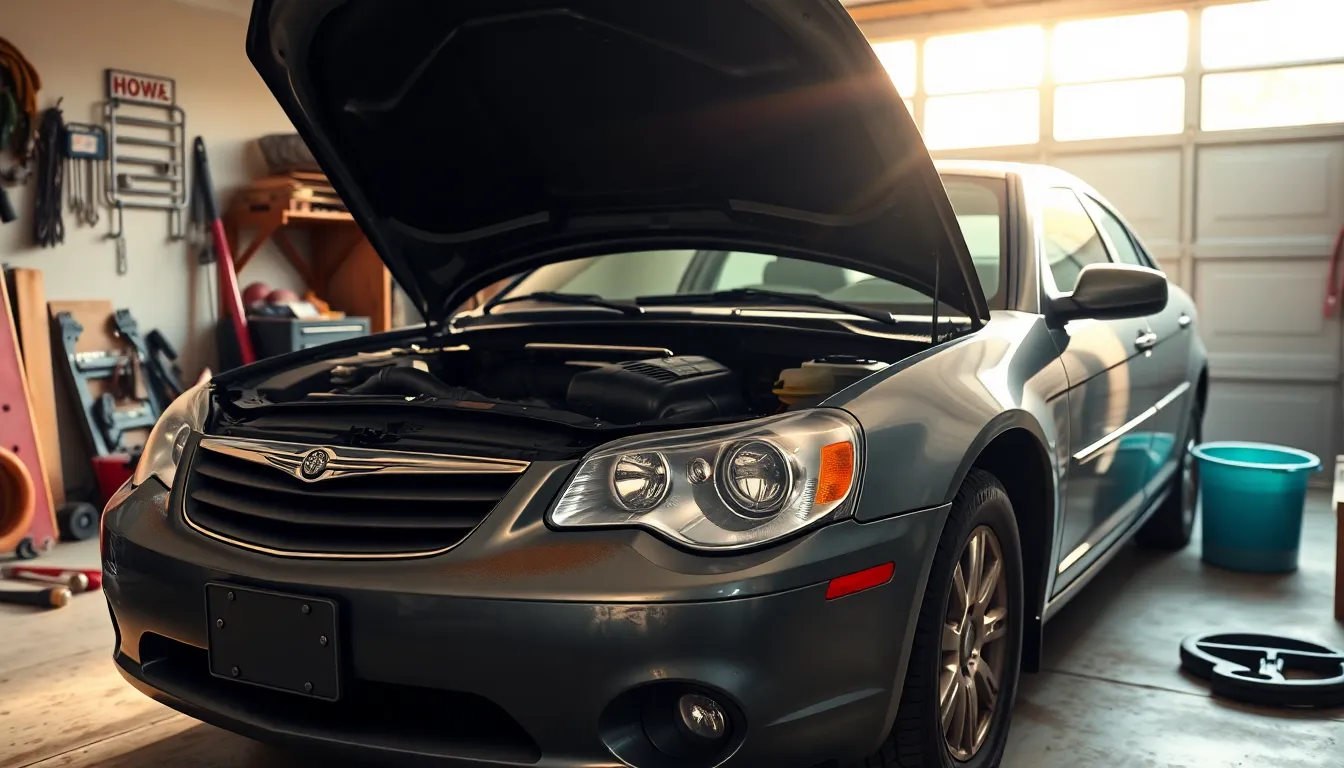
Engine condition serves as the primary indicator of a Sebring’s overall health. Check specifically for oil sludge buildup in the 2.7L engines found in 2001, 2002, and 2004 models, as this is a notorious issue leading to complete engine failure. Listen for unusual noises during startup and idle, which often signal timing chain problems or valve train issues. Examine oil condition and look for leaks around valve covers and oil pan gaskets. Many Sebring owners report that regular oil changes every 3,000 miles significantly extend engine life compared to the manufacturer’s recommended 5,000-mile interval.
Transmission Assessment
Transmission problems plague many Sebring models, particularly those with the A604 4-speed automatic. Test drive the vehicle through multiple speed ranges to detect hard shifting, slipping, or delayed engagement. Pay attention to any jerking motions when accelerating or strange noises when shifting gears. The transmission fluid should appear red or pink – brown or black fluid indicates internal damage. Transmission repairs on Sebrings typically cost $2,500-$4,000, making this inspection crucial before purchase.
Electrical Systems
Electrical failures represent common complaints in 2007 and 2008 Sebrings. Test all power windows, locks, and mirrors for proper operation. Verify the horn works correctly without randomly activating – a frequent issue reported by owners. Check dashboard warning lights during startup and ensure they properly extinguish. Inspect the headlights, brake lights, and turn signals for consistent operation. Many electrical problems originate from corroded wiring harnesses or faulty modules, which often require specialized diagnostic equipment to identify.
Suspension and Steering
Suspension components deteriorate quickly in first and second-generation Sebrings. Look for uneven tire wear, which indicates alignment issues or worn suspension parts. Drive over bumps to test shock absorbers – excessive bouncing suggests they need replacement. Turn the steering wheel lock-to-lock while parked to check for unusual noises or resistance. Early Sebrings (1996-1997) frequently develop steering rack problems that manifest as clunking sounds when turning or loose steering feel at highway speeds.
Convertible Top Mechanism
For convertible models, inspect the top mechanism thoroughly as repairs prove extremely expensive. Operate the top through a complete cycle to ensure smooth movement without binding or unusual noises. Check for tears, water stains, or mold in the headliner, which indicate leaks. Examine the hydraulic lines and cylinders for fluid leaks. The rear window should be clear without yellowing or separation from the fabric. A complete convertible top replacement costs approximately $1,800-$2,500, making this a critical area to evaluate before purchase.
Body and Interior Condition
Carefully inspect body panels for rust, particularly around wheel wells and the bottom of doors. Sebrings commonly develop dashboard cracks and failing interior components. Check seat upholstery for excessive wear, especially on driver’s side bolsters. Test climate control functions in all settings – AC compressor failures occur frequently in 2007-2008 models. Dashboard material quality declined notably in third-generation models, with many owners reporting premature deterioration within 3-5 years of purchase.
Service Records and Recall Compliance
Request complete maintenance records to verify regular service and proper care. Check if all applicable recalls have been addressed, particularly those affecting airbags and engine components. Models from 1996, 2001, and 2007 had multiple safety recalls that required dealer attention. The National Highway Traffic Safety Administration website lists all recalls by VIN number, allowing you to confirm completion status. Properly maintained Sebrings from better production years can reach 150,000+ miles, while neglected examples often fail before 100,000 miles.
Alternatives to Problematic Sebring Models
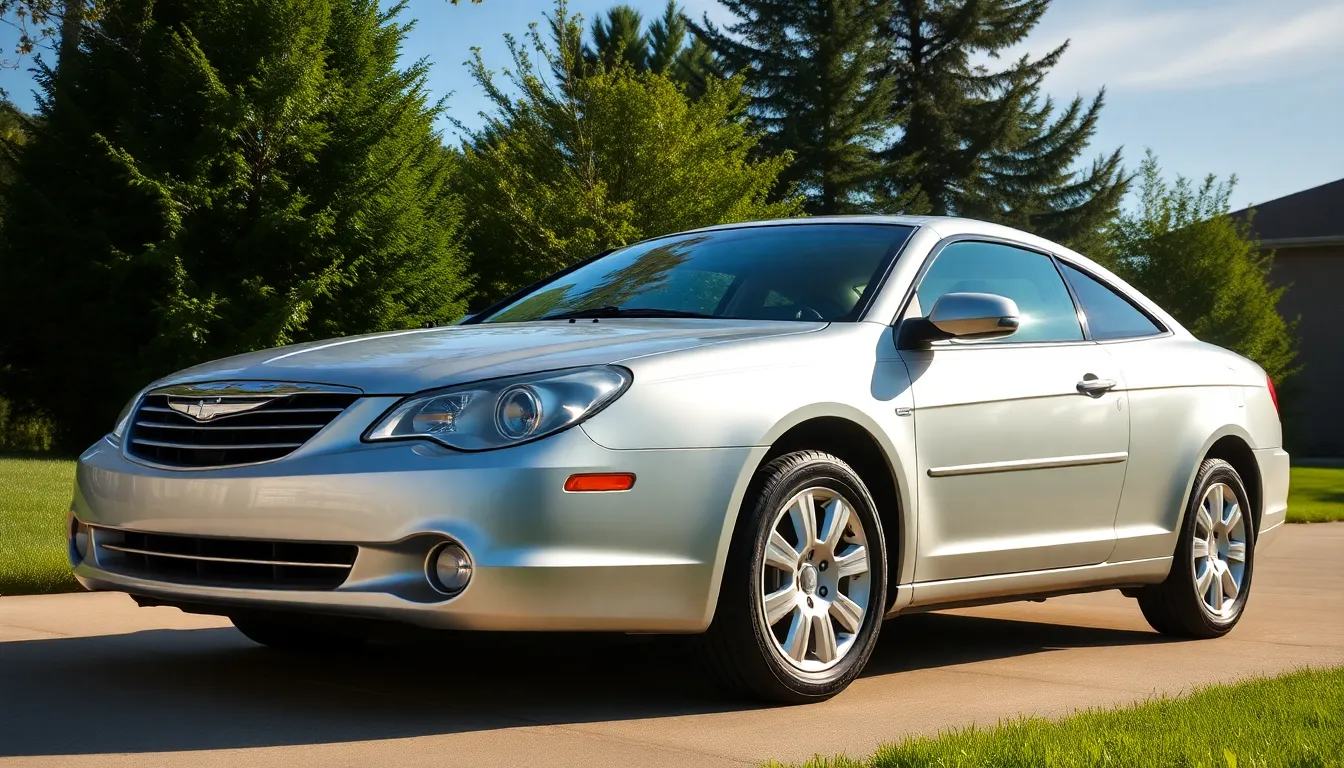
Looking for a Chrysler Sebring without the headaches? Several model years stand out for their improved reliability and fewer reported issues. The 1995 and 2000 models from the First Generation have established solid track records with significantly fewer complaints. The 1995 model earns an impressive 4.2 out of 5 on KBB’s consumer reliability rating, with many owners on Edmunds praising its dependability.
For those interested in a more modern Sebring, the 2009 and 2010 Third Generation models offer notable improvements over their troubled 2007-2008 predecessors. These later models benefited from Chrysler’s efforts to address earlier flaws, resulting in fewer electrical failures and mechanical issues.
Many long-term Sebring owners report that properly maintained 2000 models have provided reliable service for years. Some 2006 models have also performed adequately for their owners, though caution remains advisable given the known issues in the Second Generation.
The reliability difference between these recommended years and problematic models is substantial. While the 1996-1997, 2001-2002-2004, and 2007-2008 Sebrings accumulated hundreds of complaints and many recalls, their better-engineered counterparts demonstrate markedly improved durability and owner satisfaction.
Conclusion
Handling the used Chrysler Sebring market requires careful research to avoid costly mistakes. Steer clear of the notoriously problematic 2001-2003 and 2007-2008 models with their transmission failures and electrical issues.
If you’re set on owning a Sebring consider the more reliable 1995 first-generation or the improved 2009-2010 models which demonstrate better engineering and fewer critical problems. Always inspect the engine transmission electrical systems and maintenance records before purchase.
Remember that even the best Sebrings benefit from regular maintenance. By focusing on the right model years and conducting thorough pre-purchase inspections you’ll maximize your chances of enjoying this distinctive American convertible without the headaches that plagued its troubled iterations.
Frequently Asked Questions
What years of Chrysler Sebring should be avoided?
The most problematic Chrysler Sebring years to avoid are the 2001-2003 first-generation models and especially the 2007-2008 models. These years suffer from extensive mechanical and electrical failures, including transmission problems, engine stalling, and expensive air conditioning repairs. The 2009-2010 models show some improvement but still have concerning reliability issues like throttle body malfunctions.
What are the most reliable Chrysler Sebring years?
The most reliable Chrysler Sebring years include the 1995 first-generation model, which earns top marks for dependability with high consumer ratings. The 2000 model is also notable for its refined engineering. Additionally, the late-model 2009 and 2010 Sebrings show measurable improvements over the problematic 2007-2008 versions, with fewer engine complications and electrical malfunctions.
What common problems affect Chrysler Sebrings?
Common problems in troubled Sebring models include significant engine and transmission failures, particularly with the notorious A604 4-speed automatic transmission. Electrical system defects complicate mechanical issues, leading to costly repairs. Interior quality issues are also prevalent, including rapid deterioration of dashboard materials and seat upholstery, contributing to decreased resale value.
What should I inspect before buying a used Sebring?
Before purchasing a used Sebring, inspect the engine for oil sludge, test the transmission performance (especially the A604 automatic), check electrical system functionality, evaluate suspension and steering integrity, examine convertible top mechanisms, assess body and interior condition, and review service records and recall compliance. These checks can help avoid costly repairs.
What alternatives exist for problematic Sebring models?
If you’re interested in a Chrysler Sebring, consider the highly reliable 1995 and 2000 First Generation models, with the 1995 version earning a 4.2/5 KBB consumer reliability rating. For newer options, the 2009 and 2010 Third Generation models offer improvements over the troubled 2007-2008 versions, with better durability and higher owner satisfaction.
When was the Chrysler Sebring produced?
The Chrysler Sebring was produced from 1995 to 2010, spanning three generations. It was introduced as a replacement for the Chrysler LeBaron, initially available only as a convertible before expanding to include sedan and coupe versions in its second generation. The nameplate was discontinued after 2010 due to declining sales and mixed reliability reputation.
Were Sebring convertibles more reliable than sedans?
The article doesn’t specifically state whether convertibles were more reliable than sedans. However, it notes that Sebring convertibles were particularly popular, with sales peaking in the early 2000s. Both body styles were affected by the same general reliability issues in problematic model years, particularly the 2007-2008 models.
How important is maintenance for a Chrysler Sebring?
Regular maintenance is crucial for extending the lifespan of even the most reliable Sebring models. The article emphasizes that oil changes and using the correct transmission fluid are particularly important. Proper maintenance can help avoid many common issues and lead to a more satisfying ownership experience, especially for models from the more reliable production years.