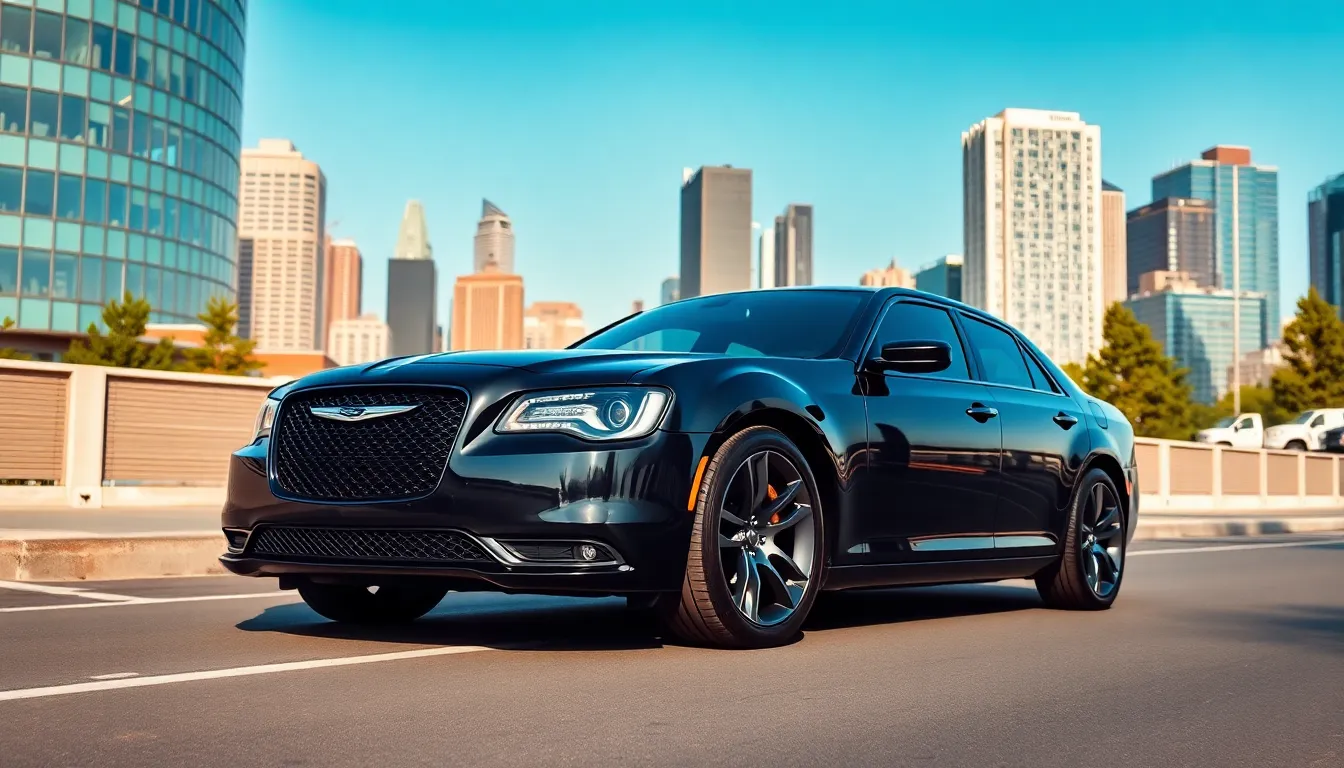
Thinking about purchasing a Chrysler 300? While this iconic American sedan offers luxury styling at an accessible price point, not all model years deliver the reliability you deserve. Which years should you steer clear of to avoid costly repairs and frustrating ownership experiences?
The Chrysler 300 has maintained its distinctive presence on roads since 2005, with its bold design and comfortable interior winning many fans. But, certain model years have developed notorious reputations for transmission failures, electrical issues, and engine problems. Before you sign on the dotted line for this full-size sedan, it’s crucial to know which production years have proven particularly problematic for owners.
The Chrysler 300: A Brief History
The Chrysler 300 first emerged on American roads in 1955 as a high-performance luxury car that quickly established itself as an automotive icon. Featuring a powerful Hemi V8 engine and distinctive styling, this original model earned the nickname “letter series” with iterations running from 300A through 300L until 1965.
Chrysler revived the legendary nameplate in 2005, introducing the modern 300 sedan that combined bold, muscular styling with rear-wheel drive architecture shared with the Dodge Charger. This reimagined 300 featured an unmistakable design with a prominent grille, low roofline, and imposing stance that set it apart from competitors.
Throughout its modern production run (2005-2023), the 300 underwent two major generations. The first generation (2005-2010) captured buyers’ attention with its distinctive looks and powerful engine options, including the performance-oriented SRT-8 variant with a 425-horsepower 6.1L Hemi V8.
The second generation debuted in 2011 with refreshed styling, improved interior quality, and updated technology features. Chrysler further refined the 300 with a important facelift in 2015 that introduced a larger grille, updated LED lighting, and enhanced luxury appointments.
Even though facing increasing competition from crossovers and SUVs, the Chrysler 300 maintained its position as one of America’s last traditional full-size sedans, offering a unique blend of comfort, power, and presence at an accessible price point. Production of this iconic American sedan concluded in December 2023 after nearly two decades of the modern iteration.
Most Problematic Chrysler 300 Model Years
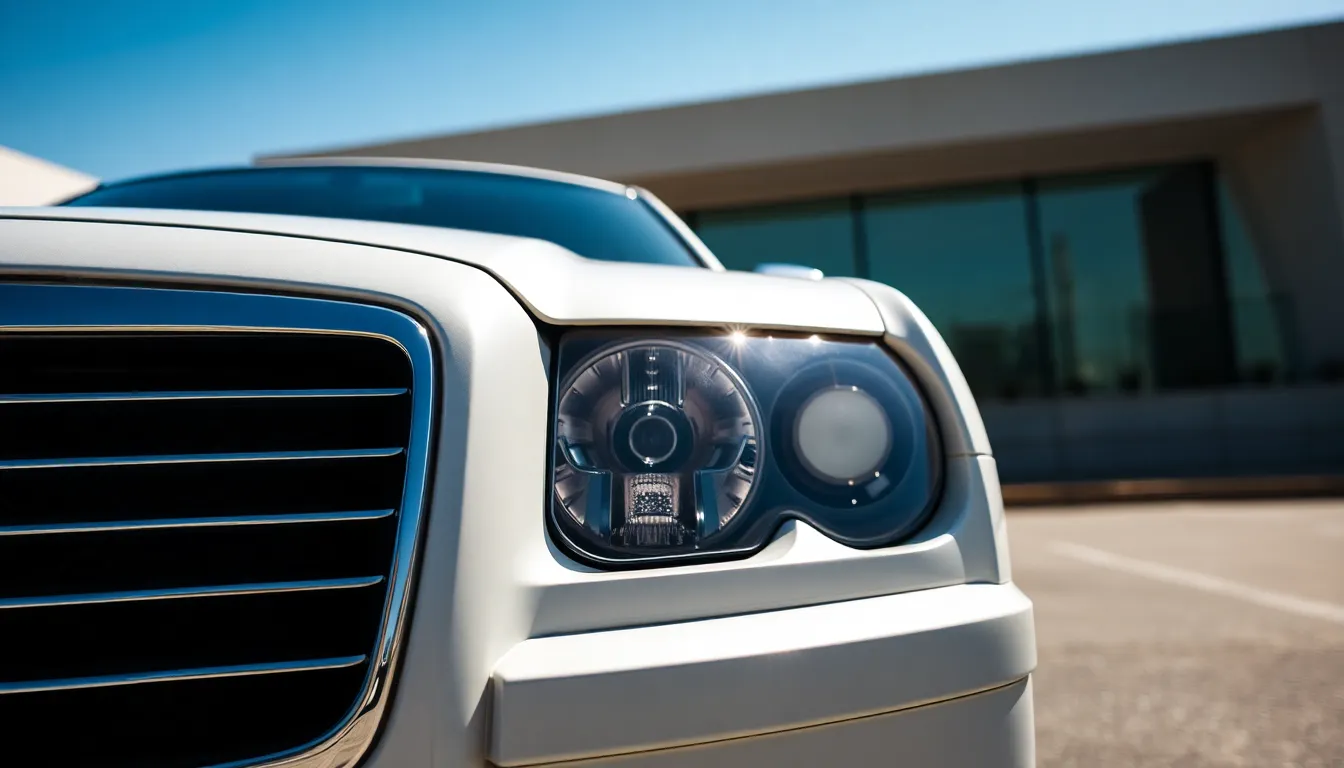
Certain Chrysler 300 model years have established themselves as particularly troublesome, with exact generations experiencing recurring mechanical and safety issues. These problematic years are characterized by engine failures, transmission malfunctions, and electrical system defects that can lead to costly repairs.
2005-2006: First Generation Issues
The inaugural years of the Chrysler 300 stand as the most problematic in the vehicle’s history. Models from 2005-2006 suffer from important engine problems including loud noises, extensive oil sludge buildup, and premature engine failures often occurring before the 100,000-mile mark. Transmission issues plague these early models, with many owners reporting sudden shifting problems and complete failures. The electrical systems in these vehicles demonstrate unreliability with dashboard malfunctions and power distribution center failures. Safety concerns compound these problems, particularly with airbag inflator defects that can rupture during crashes, prompting major recalls across 2005-2010 models. Build quality falls noticeably short in these early iterations, with suspension components wearing prematurely and interior materials degrading faster than expected.
2011-2012: Transmission and Electrical Problems
The 2011-2012 Chrysler 300 models brought their own set of serious concerns even though being part of a refreshed generation. Electrical system faults dominate the complaints for these years, with alternator failures creating dangerous situations where engines stall unexpectedly while driving. Fire hazards emerged as a serious risk with these electrical failures, leading Chrysler to issue a important recall for 2011-2014 models equipped with the 3.6L engine and 160 amp alternator. Transmission problems continued in these model years with rough shifting, hesitation, and premature wear reported by many owners. Power loss while driving became a frightening reality for some drivers when electrical systems failed completely, creating potentially hazardous situations on highways and busy roads.
2015: The Troubled Model Year
The 2015 Chrysler 300 arrived with styling updates and new technology but still carried reliability concerns from previous iterations. UConnect infotainment system problems plagued this model year, with owners reporting frequent system crashes, connectivity issues, and unresponsive screens. Modern safety features like adaptive cruise control represented a step forward, though they sometimes functioned inconsistently according to owner reports. Performance enthusiasts increasingly turned away from the 300 platform during this period, finding more appealing options from competing manufacturers. Reliability ratings didn’t match expectations for a refreshed model, continuing patterns seen in earlier second-generation vehicles. Electrical gremlins persisted in this model year, creating frustration for owners who expected improved quality from this established nameplate.
Common Problems Across Problematic Years
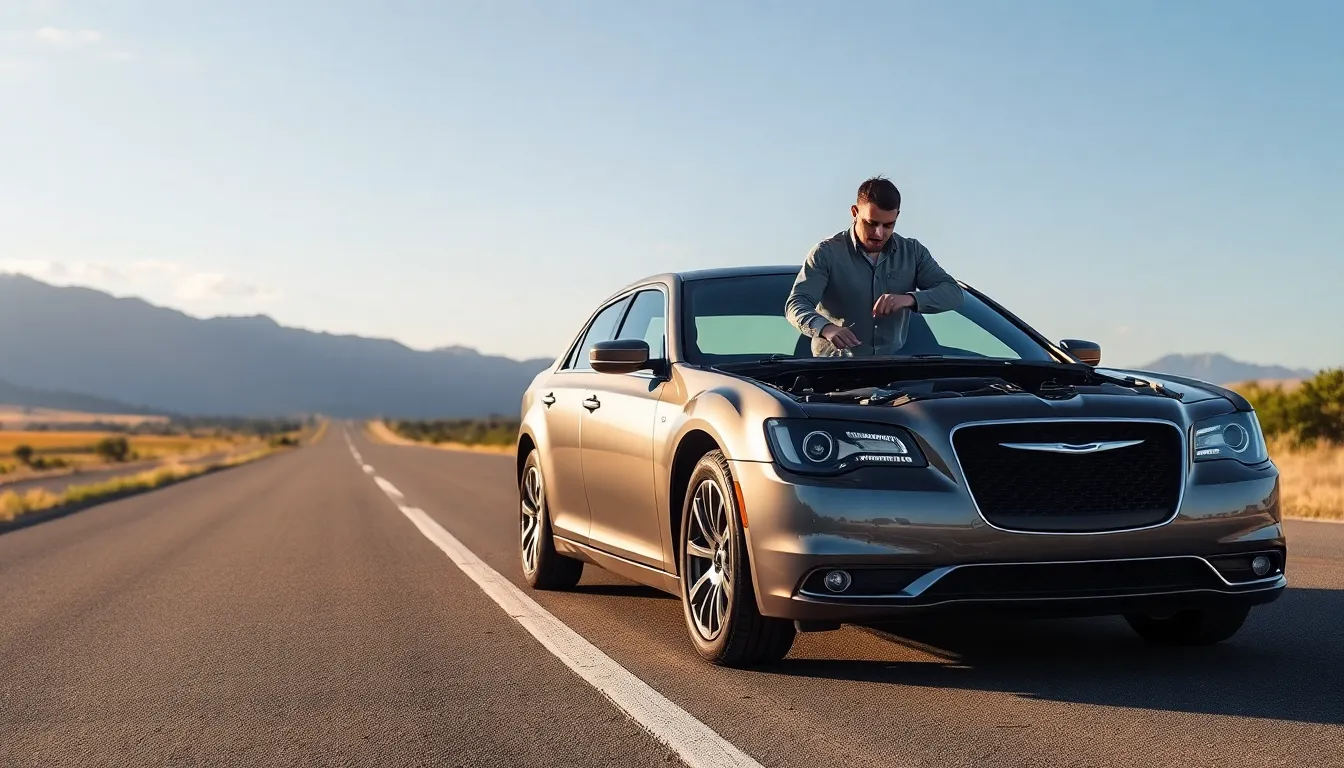
The Chrysler 300’s problematic model years share several recurring issues that have frustrated owners. These common problems appear consistently across the most troublesome years (2005-2008, 2010) and the moderately problematic years (2012-2014).
Engine and Transmission Failures
Engine and transmission problems plague many troubled Chrysler 300 models, creating important reliability concerns. The 2008 and 2010 models frequently experience engine-starting difficulties that leave owners stranded. Transmission issues span model years 2004 to 2016, with symptoms including rough shifting, shuddering, and unexpected stalls that compromise driving safety. Many owners have reported these transmission problems occurring at highway speeds, creating dangerous situations. Chrysler has attempted to address some transmission failures through software updates to the powertrain and transmission control modules, though these fixes haven’t resolved all complaints.
Electrical System Malfunctions
Electrical defects represent some of the most dangerous problems in problematic Chrysler 300 years, particularly in 2013 models. Complete electrical system failures commonly occur around 30,000 miles, with owners reporting sudden power loss while driving at highway speeds. These electrical malfunctions have directly caused multiple crashes and vehicle fires, creating serious safety hazards. Chrysler issued exact recalls for 2011-2014 models equipped with certain alternators that could fail unexpectedly, causing engine stalls or dangerous short circuits that compromised vehicle safety and left drivers without warning.
Interior Quality Issues
Interior problems diminish the luxury experience expected from Chrysler 300 ownership, especially in later model years. Door panels detaching from their mountings represent a common complaint in 2016 and 2018 models, with passengers often discovering loose components during normal use. Passenger door panels “melting” or deforming in hot weather conditions have been reported by multiple owners. Infotainment systems frequently develop frustrating issues, including display delamination where screen layers separate and create visibility problems. Uconnect sound systems malfunction regularly in these problematic years, with owners reporting intermittent audio output, touchscreen failures, and system crashes that severely impact the driving experience and diminish the vehicle’s premium feel.
How to Identify a Troubled Chrysler 300

Spotting problems in a used Chrysler 300 requires knowing exact trouble indicators that reveal potential headaches down the road. These telltale signs can help you avoid purchasing a vehicle with hidden issues that might lead to costly repairs.
Warning Signs When Buying Used
Check for illuminated warning lights, particularly the check engine light which often indicates underlying problems. Scan for error codes such as P0520 (oil pressure sending unit) that might signal simple fixes or more serious engine concerns. Listen carefully for unusual engine noises or rough idling caused by carbon buildup on valves, a common issue in 2005-2010 models that typically requires professional cleaning.
Pay close attention to transmission behavior during test drives—any rough or harsh gear shifts point to transmission control module problems that plagued many models, especially 2004-2016 vehicles. Electrical failures, including sudden power loss around the 30,000-mile mark, often indicate alternator or wiring issues common in 2011-2014 models equipped with 3.6L engines.
Test all power windows thoroughly as motors and regulators frequently fail in older models, particularly those manufactured between 2004-2015. Examine the vehicle for any signs of fire damage or evidence of stalling incidents, which were reported problems in several model years.
Service Records and Recall History
Request comprehensive service records to verify that scheduled maintenance and major repairs have been completed properly. Documentation of engine carbon cleaning, alternator replacement, or recall-related fixes provides valuable insight into the vehicle’s maintenance history. These records prove especially important when considering 2005-2010 models known for serious airbag defects involving driver-side inflators prone to moisture damage.
Confirm through official channels or a dealer whether all safety recalls affecting your exact model year have been addressed. Vehicles from 2011-2014 with 3.6L engines and 160 amp alternators faced electrical system failures leading to engine stalls and fire risks, resulting in a manufacturer recall to replace the problematic alternators.
Verify that airbag recalls have been completed if you’re examining a 2005-2010 model, as faulty inflators presented important safety concerns requiring replacement. Manufacturers fixed these issues free of charge, so a properly maintained Chrysler 300 should have these repairs clearly documented in its service history.
Better Chrysler 300 Model Years to Consider
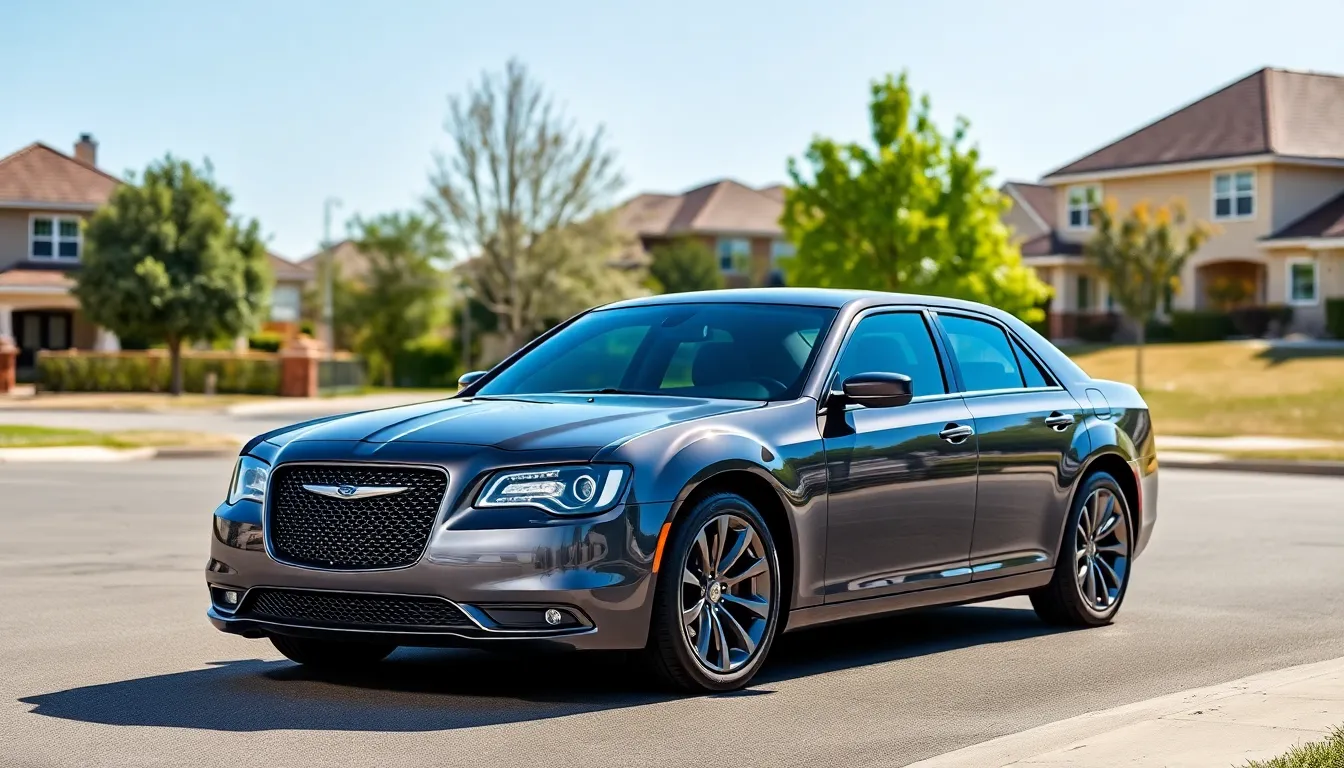
Not all Chrysler 300 model years suffer from important problems. Several years stand out for their improved reliability and fewer reported issues. The 2009 model represents a bright spot in the first generation, establishing itself as more dependable than its predecessors with substantially fewer owner complaints.
Recent models from 2016, 2018, and 2019 demonstrate Chrysler’s commitment to addressing earlier problems. The 2019 model particularly excels, recording the lowest number of reported problems in its segment following the facelift. Owners of these models frequently report satisfying experiences even after several years of ownership.
The later production years spanning 2017-2023 generally offer the most reliable options in the Chrysler 300 lineup. Many examples from these years continue to operate smoothly while accumulating high mileage without developing major mechanical issues. These models typically feature refined powertrains, updated technology, and enhanced build quality compared to the problematic early years.
When shopping for a used Chrysler 300, focusing on these recommended years can save you thousands in potential repair costs while providing the luxury sedan experience without the headaches associated with problematic model years.
| Recommended Chrysler 300 Years | Notable Improvements |
|---|---|
| 2009 | Most reliable first-generation model |
| 2016 | Fewer complaints, improved electronics |
| 2018-2019 | Post-facelift enhancements, minimal reported issues |
| 2017-2023 | Generally reliable with fewer major problems |
Conclusion
Being aware of problematic Chrysler 300 model years can save you thousands in unexpected repairs and headaches. Steer clear of 2005-2008 and 2010-2014 models which suffer from serious engine transmission and electrical issues that often surface without warning.
Instead focus your search on the more reliable options like the 2009 first-generation model or the significantly improved 2016-2023 models especially the standout 2019 version. These later years offer the luxury sedan experience with far fewer mechanical concerns.
Remember to thoroughly inspect any used 300 checking for warning signs during test drives reviewing maintenance records and verifying that all safety recalls have been addressed. With proper research you’ll find a Chrysler 300 that delivers the distinctive style and comfort without the reliability nightmares.
Frequently Asked Questions
What years of the Chrysler 300 should I avoid?
The most problematic Chrysler 300 years to avoid are 2005-2006 (first generation) due to engine issues, transmission malfunctions, and electrical problems. The 2011-2012 models also have serious concerns with electrical faults and transmission problems. Additionally, 2015 models struggle with UConnect infotainment system issues and inconsistent safety features.
What are common problems with the Chrysler 300?
Common problems include engine and transmission failures (starting difficulties, rough shifting), electrical system malfunctions (particularly in 2013 models), and interior quality issues (detaching door panels, malfunctioning infotainment systems). Some models have experienced alternator failures serious enough to prompt recalls and safety concerns.
What are the best years for the Chrysler 300?
The most reliable first-generation option is the 2009 model. Recent models from 2016, 2018, and 2019 show significant improvements, with the 2019 model recording the lowest number of reported problems in its segment. Generally, the 2017-2023 models offer the most refined powertrains, updated technology, and enhanced build quality.
How can I identify a problematic Chrysler 300 when buying used?
Look for warning signs like illuminated check engine lights, unusual engine noises, and rough transmission behavior during test drives. Check service records for maintenance history and ensure all safety recalls (especially those related to airbag defects and electrical system failures) have been addressed.
When was the Chrysler 300 first introduced?
The Chrysler 300 first emerged in 1955 as a high-performance luxury car with a powerful Hemi V8 engine. The original model, known as the “letter series,” ran until 1965. Chrysler revived the nameplate in 2005, introducing a modern version with bold styling and rear-wheel drive architecture shared with the Dodge Charger.
When did Chrysler stop making the 300?
Chrysler concluded production of the 300 in December 2023. Despite facing increasing competition from crossovers and SUVs in the market, the Chrysler 300 remained a unique option in the full-size sedan segment until its final production run.