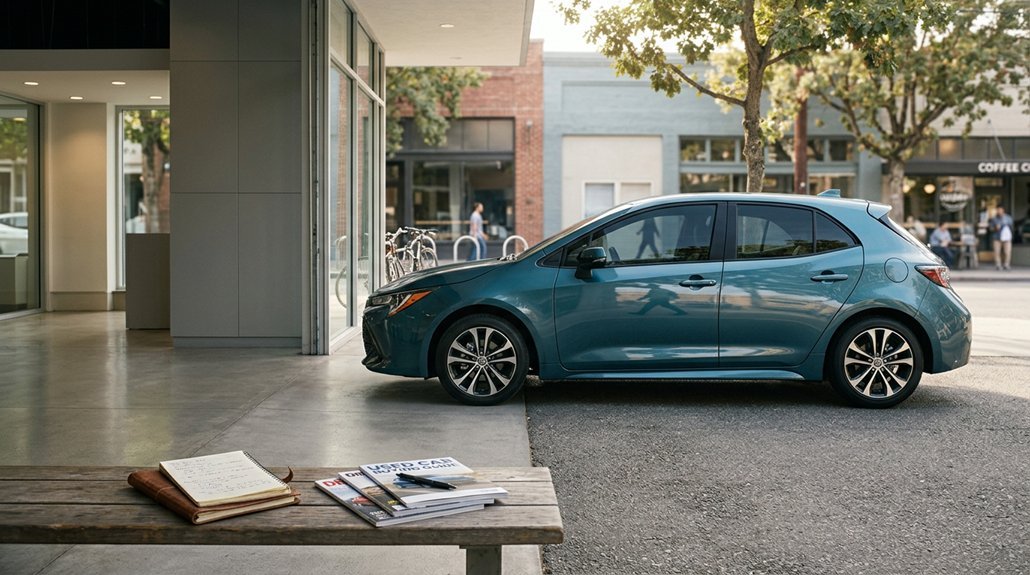
I’ve driven both fresh-off-the-lot sedans and 80,000-mile crossovers, and the gap between them isn’t always where you’d expect. New cars greet you with that factory scent, 3-year bumper-to-bumper coverage, and screens that haven’t been touched by sticky fingers.
But I’ve watched my neighbor’s $38,000 SUV shed $10,000 in value before his first oil change hit 5,000 miles. Meanwhile, my used hatchback lost maybe $800 last year. The smart buy isn’t obvious. It depends on how long you’ll keep it, what tech you actually need, and whether you’ve got cash for surprise repairs. I’ll walk you through five real differences that matter when you’re standing at the dealer’s desk.
Why Used Cars Hold Value Better
Why do so many savvy buyers walk past the new car lot and head straight for the used section? I’ve watched this pattern for years, and it comes down to one word: depreciation. New cars shed 20-30% of their value the moment they leave the lot. That initial depreciation hits hard.
Used cars hold value better because they’ve already absorbed that shock. When I buy used, I skip the steepest part of the depreciation curve. My resale value stays more stable over time, tied to real factors like mileage impact and condition rather than the artificial “new car premium.”
A lower purchase price means lower taxes and insurance, shrinking my total cost of ownership. I always check the maintenance history; documented service records tell me if previous owners cared. Well-maintained examples with reasonable miles depreciate slowly, protecting my investment.
Recommended Products

The Ultimate Smarter Copilot: Stay on Top of Your Driving- The 3A magic link CarPlay box control everything with a word, Or a touch, Or a twist. Save your 40% of time by quick auto conn and seamless operation, such as navigation, music playing, Siri assistant, phone calls, radio etc(Our Carplay Only Compatible with wired Apple CarPlay Car systems)

Wireless CarPlay Adapter: The carplay adapter converts your wired CarPlay to a wireless connection, making it easy to use navigation, music streaming, hands-free calling and voice control functions (compatible with CarPlay only, not compatible with other systems.)

[NO CABLES. NO CLUTTER. JUST WIRELESS.] Easily convert your factory-wired CarPlay or wired Android Auto into a cleaner, truly wireless experience. Effortlessly enjoy maps, music, calls, messages, and voice assistance through your vehicle's factory Information Display Modules without plugging in your phone every time, while retaining original controls such as the touchscreen, steering wheel buttons, rotary knobs, and voice commands.
Warranty Coverage: What Protection You Actually Get
Although I’m drawn to the savings of a used car, I’ve learned to look hard at what warranty protection I’m actually buying. A new-car warranty typically provides bumper-to-bumper and powertrain coverage for 3 to 5 years, shielding me from surprise repair costs. That peace of mind feels like joining a club where I’m protected.
Used-car warranty coverage tells a different story. Many used vehicles arrive with expired coverage terms, leaving me exposed to out-of-pocket expenses. Some dealers provide limited used-car warranty plans, but these often exclude critical components or cap labor payments.
Extended warranties can fill gaps, yet I’ve found they vary wildly in scope and exclusions. Hidden pre-existing issues, invisible on any history report, can surface and drain my wallet. I weigh these risks carefully before signing.
Recommended Products

110 Sheets Log Book: This vehicle maintenance log book includes 110 record sheets to track repairs, services, fuel costs, and other vehicle-related expenses. It also comes with 36 convenient “Service Due” stickers to help remind you of upcoming maintenance schedules. Everything you need to keep your car records organized in one place.
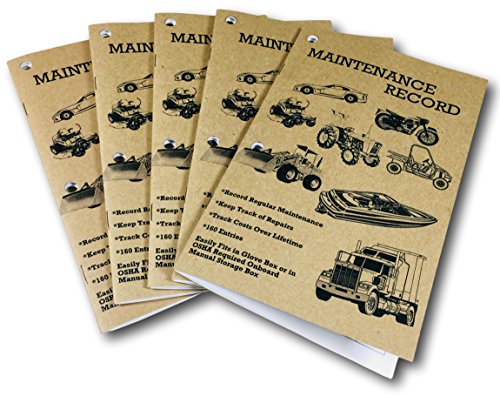
Record Regular Maintenance on Vehicles for Personal or Business

New Car Tech: Features Hard to Find Used
When I slide behind the wheel of a new car, I’m immediately struck by how much technology has evolved since my last purchase. New car tech moves fast, and gap years between generations show real differences you can feel daily.
Modern infotainment systems respond quicker and look sharper than five-year-old units. I expect Apple CarPlay to work wirelessly now, not through finicky cables. Over-the-air updates keep software fresh without dealer visits, something older cars simply cannot do.
Advanced driver-assistance features like adaptive cruise and lane keeping improve yearly. The latest safety features, including better collision avoidance, often debut on new models first. I also want remote access through smartphone apps and two-way connectivity for powering campsites or home essentials.
High-end used cars might match some specs, but only new guarantees current hardware, full warranty coverage, and years of supported updates.
Recommended Products

MAXIMUM PROTECTION AREA – The BumperBully keeps your vehicle safe from dents, scratches, and everyday parking damage. Measuring 44” wide by 12” tall, it delivers broad...
Financing Deals: When New Car Loans Beat Used
How much does financing really cost? I dug into new car loans versus used-car financing, and the gap surprised me. New car loans often carry lower interest rates because lenders see less risk, plus manufacturers sweeten the deal with captive financing programs. I’ve seen zero percent financing on popular models, which slashes borrowing costs to nothing.
Financing deals on new cars stretch longer, too. Subsidized rates or cash-back incentives can drop your monthly payment below what you’d pay for a three-year-old alternative. Lenders also approve higher loan-to-value ratios on new vehicles, so you can roll in taxes and fees without draining your savings.
Here’s where it gets interesting. Depreciation hits hard upfront, no question. But pair those low rates with comprehensive warranties, and your ownership costs through the loan term can actually undercut a used car. I ran the numbers twice.
Recommended Products

【Small & Slim CarPlay Wireless Adapter】Easily transform wired OEM CarPlay to wireless! Supports GPS navigation, music playing, Siri assistant, phone calls, text messaging, etc. Enjoy full App and keep original car operation. No more tangled cables, leaving your car cleaner and embracing the convenience of wireless digital media — just pure driving bliss.
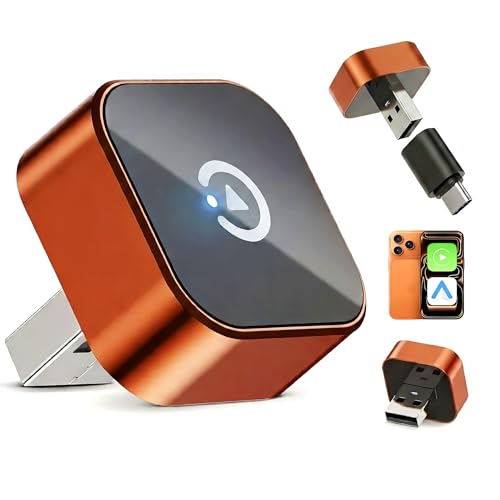
【Upgrade to a Wireless CarPlay Adapter】 – Easily convert your factory wired CarPlay or Android Auto into a true wireless experience. This wireless carplay adapter eliminates the need for cables, letting you enjoy hands‑free navigation, music streaming, calls, and voice commands without plugging in your phone. Perfect for daily commuting, road trips, and shared vehicles.

RELIABLE PERFORMANCE – Powered by 2.4 + 5.8GHz dual-band Wi-Fi and Bluetooth 5.4, delivering 40% better performance than other wireless CarPlay adapter for Apple. Provides ultra-stable connection for GPS, music, and calls, with near-zero latency and no Digital Media stuttering. Enjoy smooth and reliable performance on every drive.
The Real Monthly Cost: Insurance and Maintenance Compared
Where do your dollars actually go each month after you drive off the lot? I break down the real numbers so you know what you’re signing up for.
Insurance costs hit harder on new rides because replacement value drives premiums skyward. My financed purchase demanded full coverage, padding that monthly bill. Used cars typically trim 10-15% off that expense, which adds up fast.
Here’s where it gets tricky. That shiny new car warranty covers early maintenance costs, but depreciation silently bleeds 20% value year one, inflating your total cost of ownership. Extended warranties can cushion used cars, yet I’ve seen unknown service histories torpedo repair budgets when critical components fail.
Preventive maintenance keeps both running, though used cars demand detective work on prior care. Newer models use pricier OEM parts, balancing reliability against sticker shock. Choose based on your risk tolerance and wrenching comfort.
Recommended Products

COMPACT SIZE FITS EASILY IN GLOVEBOX - measures just 9" x 5.5"

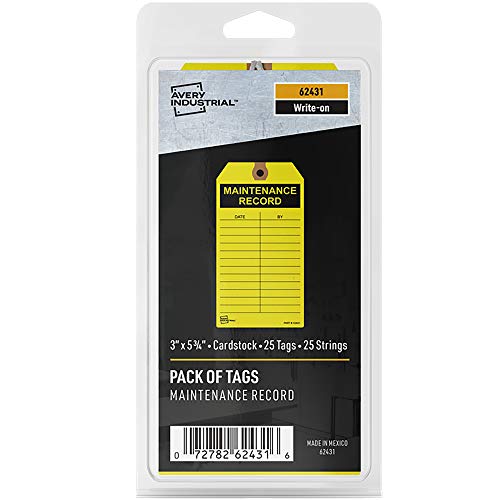
Highly visible yellow Maintenance Record tags with string attached feature preprinted repair and inspection tag information for keeping track of inspection and repair activities.