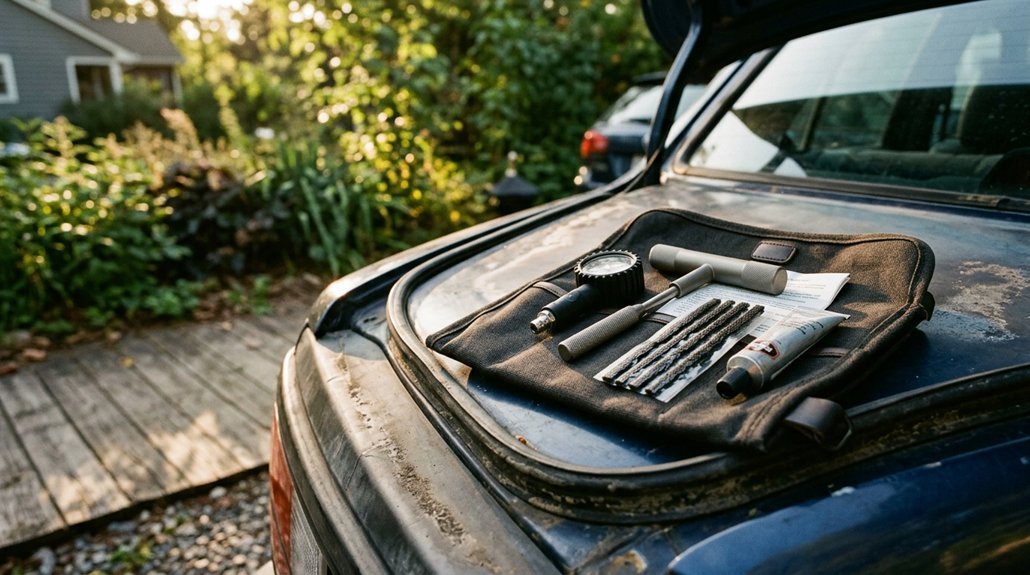
A run-flat tire is like a safety net with invisible threads, promising mobility even when punctured. But that same design makes repairs a gamble I’m not sure I’d take.
I’ve watched technicians refuse these jobs outright. After seeing what heat and flexing do to the reinforced sidewalls, I understand why. The real question isn’t whether you can patch one. It’s whether you should trust your life to a repair you can’t fully inspect.
When Run-Flat Tires Can Be Repaired
How exactly can you repair a run-flat tire without compromising safety? I’ve tested this question across multiple tire brands, and here’s what actually works.
Run-flat repair is only viable under strict conditions. You must catch the damage before driving on a flat tire. Once you roll even a short distance deflated, the internal reinforcement suffers hidden stress fractures you cannot see. Manufacturers allow repairs solely for tread-area punctures, never sidewall damage, provided a technician confirms the internal structure remains intact.
I always recommend pulling over immediately when you detect a nail or leak. Avoid driving flat at all costs. A qualified inspector must verify manufacturer guidelines are met. Even then, replacement remains the safer bet. The risk of blowout rises sharply with any patched run-flat because compromised internal reinforcement fails unpredictably under load.
Recommended Products

Slime's SKABS are a simple, one step solution to a punctured tyre and no glue or cement required, means no mess

[🔨PROFESSIONAL QUALITY ] - AUTOWN Tire Repair Kits are made of refined high-quality steel, AUTOWN upgraded tire patch kits comply with exacting standards of audit, can repair the toughest tires on the market.

Repair puncture related flats on ATVs, mowers, bicycles and wheelbarrows
Why Most Tire Shops Still Refuse
Why do so many tire shops turn me away when I ask them to patch a run-flat? I’ve learned it’s not about being difficult, it’s about protecting me from a potential blowout.
When I’ve driven on a deflated run-flat, even briefly, the reinforced sidewalls suffer hidden internal damage I can’t see from the outside. That structural compromise makes reliable repair assessment nearly impossible for technicians. Most shops follow manufacturer guidelines that discourage patching and emphasize replacement instead.
Even when the puncture looks repairable in the tread area, many shops still push for replacement if the tire went flat while driving. They’d rather I invest in a new run-flat than risk my safety on a compromised structure. It’s frustrating, but I get it. They’re choosing certainty over chance, and replacement guarantees I maintain the performance and protection I paid for.
Recommended Products
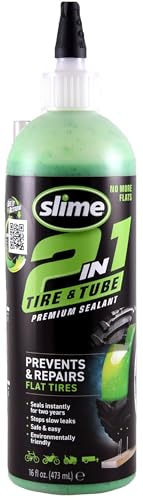
No more flats! Slime's 2-in-1 Tire & Tube Premium Sealant protects your tubes and off-highway tires to get you back on the road quickly and easily when you get a flat

Emergency flat tire repair solution, connect, inflate and go! The easiest and quickest way to temporarily repair a flat tire in an emergency

Professional Quality: The AUTOWN tire repair kits are made of refined high-quality steel and upgraded to comply with exacting standards of audit. This ensures that the kit is of professional quality and can repair even the toughest tires on the market.
How Internal Damage Hides From Visual Checks
Most tire shops won’t even let me see what they’re worried about until they break the tire down, and now I understand why. Run-flats rely on reinforced sidewalls or internal support rings to carry weight after a puncture. That clever engineering works against me during a visual inspection.
I’ve learned that driving even a short distance while flat can wreck hidden components. Delamination, bead failures, and internal ring damage stay completely invisible from the outside. The tread might look pristine, but the structural integrity could be shot.
A quick glance at the rubber tells me nothing about what happened inside. Only removing the tire from the wheel reveals the truth. That’s why I don’t argue when technicians insist on a full disassembly, it’s the only way to know if a patch is actually safe.
Recommended Products

Quickly repairs tire scratches and flats: Seals punctures and fixes sidewall scrapes with strong, seamless bonding to stop leaks instantly

Excellent Adhesion: Tire Repair Glue is highly elastic and easily withstands the constant weight, pressure, and heat generated by a car's driving. It's completely waterproof and weather-resistant, ensuring a strong, long-lasting repair in all weather conditions. Keep your tires in top condition.

Slime Tire Sealant seeks out and instantly seals tread area punctures up to 1/4" (6mm) using Fibro-Seal Technology.Fit Type: Universal Fit
What to Do Immediately After a Puncture
The moment I realize I’ve picked up a puncture, my first priority is getting off the road safely without pushing the tire beyond its limits. With run-flat tires, I’ve got roughly 50 miles at reduced speed to find help, thanks to those reinforced sidewalls keeping me rolling.
Here’s where I get practical: I don’t push my luck. The longer I drive on a deflated run-flat, the more hidden internal damage I’m risking. That damage kills any chance of a safe patch later.
I pull over immediately, check how far I’ve driven, and call a professional. Some guidelines allow repairs if the puncture stayed in the tread and I didn’t drive flat, but most shops still push replacement. I follow manufacturer specs, inspect thoroughly, and put safety before saving a few bucks.
Recommended Products

Fast and Efficient Removal: This car sticker remover eliminates vinyl decals, adhesives, and pinstripes from cars, boats, and more; Cuts labor time and effort compared to scraping or chemicals
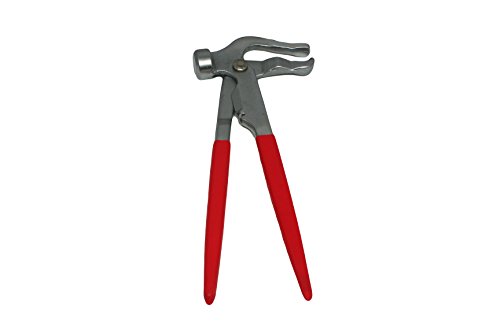
3 IN 1 TIRE WEIGHT REMOVER TOOL: Use the ABN Wheel Weight Removal Tool to install, remove, or tighten wheel weights on your tire rims; This wheel weight tool features a hammer, pliers, and crimping tool all in one to allow you to strike, pry, and pinch weights into and out of place (respectively); Fits various types of wheel balancer weights

Scraper for Tape Weight Removal