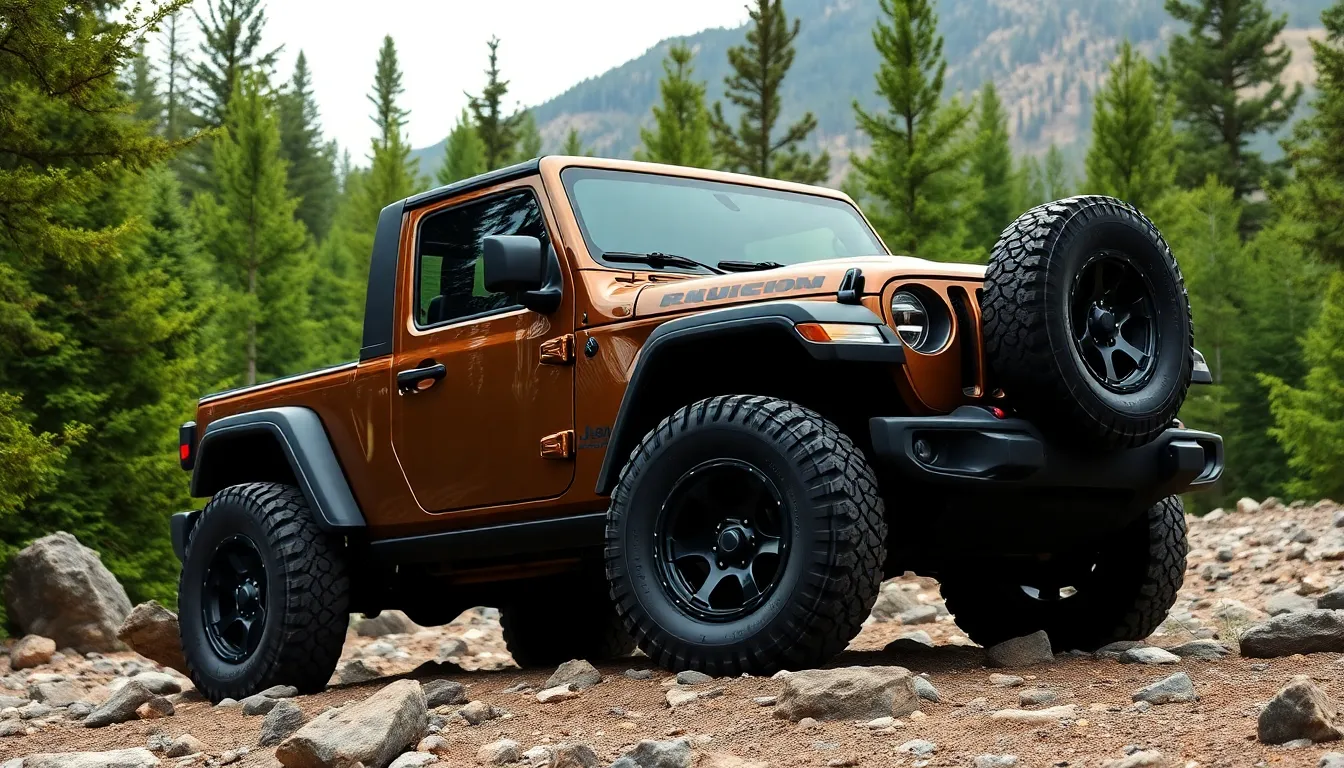
Looking for the best year for Jeep Wrangler Rubicon to add to your off-road arsenal? The iconic Rubicon has conquered trails and turned heads since its debut in 2003, but not all model years are created equal.
When investing in a vehicle known for its legendary capability, you’ll want to choose wisely. Different generations of the Wrangler Rubicon offer varying reliability, features, and off-road performance. From the rugged TJ Rubicon to the refined JL models, each iteration brings something unique to the table. We’ve analyzed reliability data, off-road capabilities, and owner satisfaction to determine which Rubicon model years truly stand above the rest.
The Evolution of the Jeep Wrangler Rubicon
The Jeep Wrangler Rubicon debuted in 2003 as the ultimate factory-built off-road vehicle in the Wrangler lineup. Named after the legendary Rubicon Trail in California, this specialized trim was designed to conquer the most challenging terrain straight from the showroom floor. Since its introduction, the Rubicon has evolved through multiple generations, each bringing important improvements while maintaining its core off-road DNA.
The original TJ Rubicon (2003-2006) featured Dana 44 axles, 4:1 low-range transfer case, and locking differentials—components previously available only through aftermarket modifications. Moving to the JK generation (2007-2018), Jeep expanded the Rubicon’s appeal by offering both two-door and four-door Unlimited models, bringing exceptional off-road capability to a more practical platform.
A major transformation occurred with the introduction of the JL Rubicon in 2018. This generation received a completely redesigned frame, improved aerodynamics, and a sophisticated electronic disconnect sway bar system. Engine options expanded to include the efficient 2.0L turbocharged four-cylinder and eventually the powerful 3.0L EcoDiesel V6 in 2020.
The most recent innovation came with the 2021 introduction of the Rubicon 392, featuring a 470-horsepower 6.4L V8 engine—the first V8 in a Wrangler since 1981. This high-performance variant accelerates from 0-60 mph in just 4.5 seconds while retaining the model’s legendary off-road capability.
Technological advancements have transformed the Rubicon from a purely mechanical off-roader to a sophisticated 4×4 with electronic aids like Off-Road+ mode, which automatically adjusts throttle, transmission shift points, and traction control for optimal performance on different terrains. Modern Rubicons also offer comfort features unimaginable in early models, including heated seats, advanced infotainment systems, and adaptive cruise control.
Throughout its evolution, the Rubicon has maintained its commitment to extreme capability while becoming increasingly refined, efficient, and technologically advanced—setting the benchmark for factory off-road vehicles with each new generation.
Understanding the Jeep Wrangler Rubicon Heritage
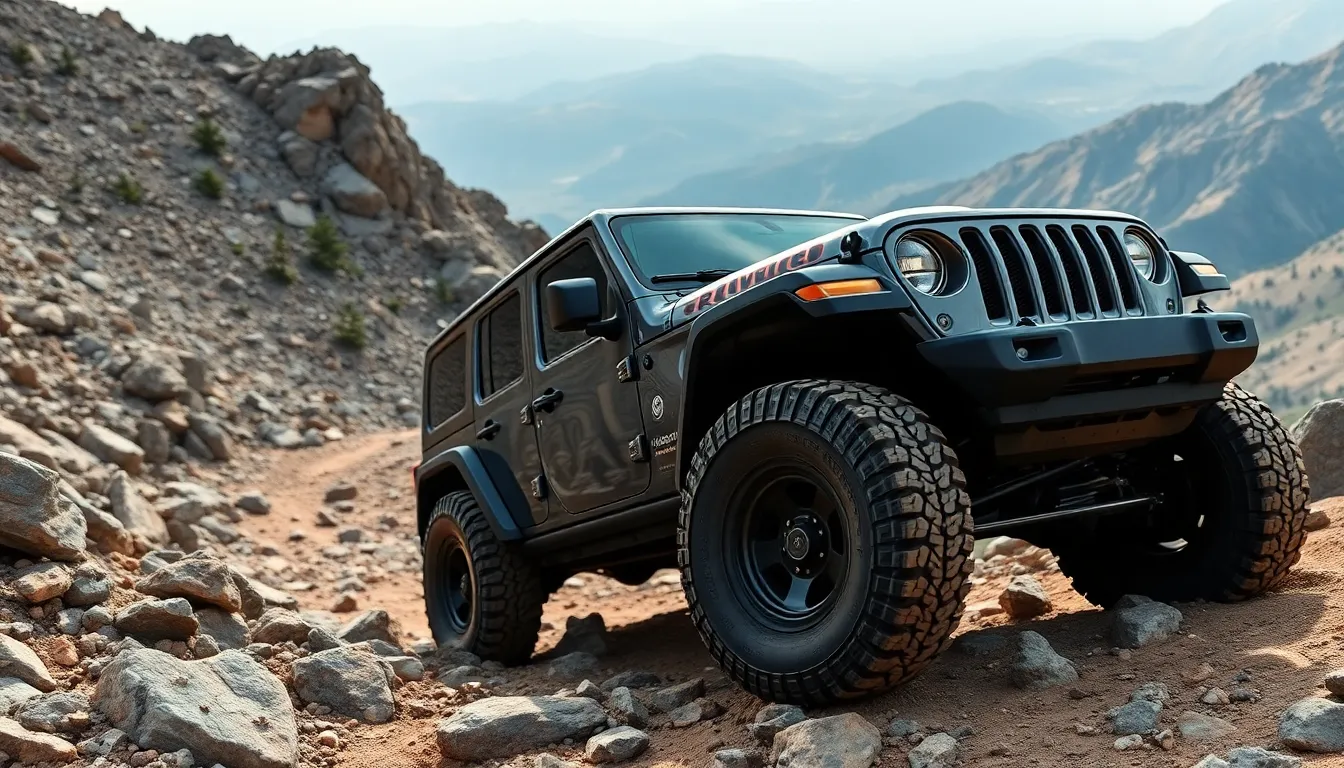
The Rubicon trim represents the pinnacle of Jeep Wrangler’s off-road capability. Named after the legendary Rubicon Trail in California, this specialized variant was specifically engineered for conquering the most challenging terrains while maintaining the iconic Wrangler spirit.
Key Rubicon Features That Set It Apart
The Jeep Wrangler Rubicon stands out from standard Wrangler models thanks to its impressive array of off-road focused equipment. Electronic locking differentials on both front and rear axles provide superior traction when handling difficult obstacles. The electronic disconnecting front sway bar, particularly enhanced in the JL generation, allows for exceptional wheel articulation when crawling over uneven terrain.
Heavy-duty Dana 44 axles offer increased strength and durability compared to standard Wrangler components. The Rock-Trac 4×4 system with its specialized low gear ratio delivers precise control and increased torque for challenging rock crawling situations. Rubicon models also come equipped with aggressive off-road tires, reinforced wheels, comprehensive skid plates, and enhanced underbody protection to safeguard vital components.
Recent JL Rubicon models (2018 and newer) incorporate modern safety technologies like blind-spot monitoring while maintaining the rugged capabilities that define the Rubicon name. These enhancements create the perfect balance between off-road prowess and everyday drivability. The specialized suspension system provides additional ground clearance for handling obstacles that would stop lesser vehicles. Each Rubicon component works together to create an exceptionally capable off-road machine straight from the factory.
Top Jeep Wrangler Rubicon Years (2007-2011)
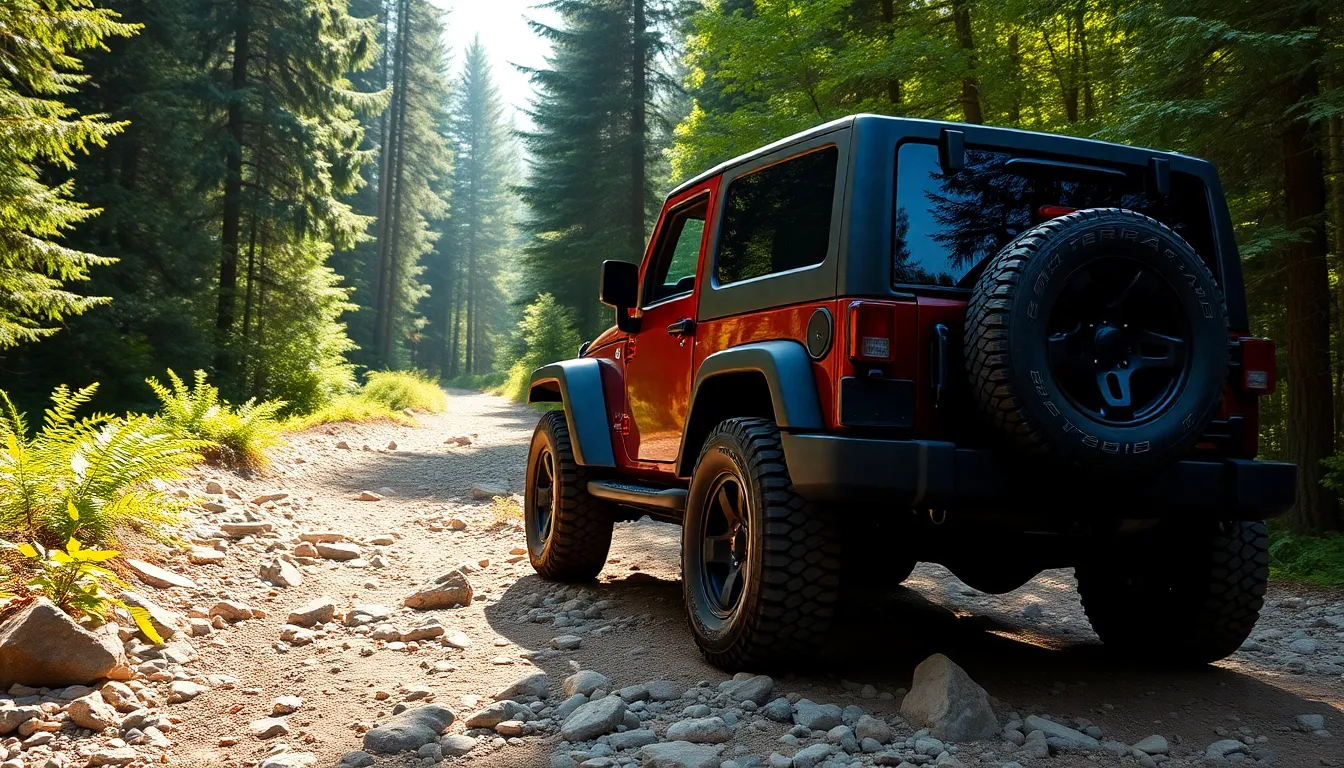
The JK generation of the Jeep Wrangler Rubicon introduced important changes that redefined this iconic off-roader’s capabilities and appeal. During this period, the Rubicon evolved from a revolutionary redesign to a more refined vehicle while maintaining its legendary off-road prowess.
The 2007 JK Rubicon: A Game-Changing Redesign
The 2007 model year marked a watershed moment for the Wrangler Rubicon with the introduction of the JK generation. This complete redesign featured a wider stance, improved suspension geometry, and expanded interior space without compromising its off-road DNA. Hardcore enthusiasts appreciated the standard heavy-duty Dana 44 axles front and rear, electronic locking differentials, and the innovative disconnecting front sway bar system. Under the hood, the 2007 Rubicon housed a 3.8-liter V6 engine producing 202 horsepower and 237 lb-ft of torque – adequate for trail use but criticized for lackluster on-road performance. Even though some power limitations, the 2007 JK Rubicon’s revolutionary platform established a foundation that would define Jeep’s flagship off-roader for years to come.
The 2011 Rubicon: Refined Capability
By 2011, Jeep had addressed many of the early JK Rubicon’s rough edges while retaining its exceptional off-road capabilities. This model year represents the culmination of refinements to the first-generation JK platform before major powertrain updates arrived later. Engineers made subtle improvements to enhance reliability and on-road driving dynamics without diluting the Rubicon’s trail-conquering abilities. The 2011 model continued to use the 3.8L V6 engine but incorporated various mechanical updates based on lessons learned from earlier production years. Trail enthusiasts often note that the 2011 Rubicon offers a more polished overall experience compared to the inaugural 2007 model, making it a preferred choice among early JK models. For buyers considering a 2007-2011 Rubicon, the 2011 model generally provides the most refined experience within this exact production window.
Best Jeep Wrangler Rubicon Years (2012-2018)
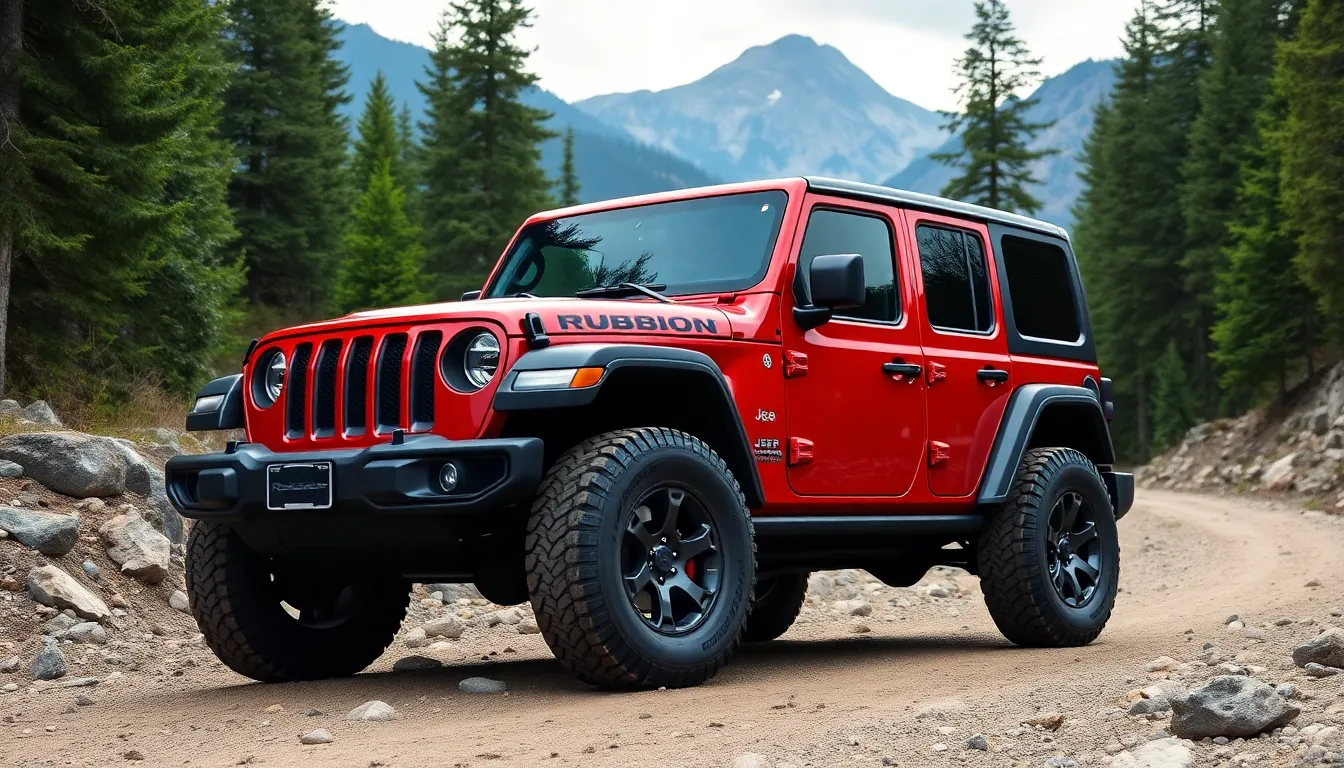
The JK generation Jeep Wrangler Rubicon (2012-2018) saw important improvements, with 2015-2016 models standing out as the most reliable and refined options. These years feature the established 3.6L Pentastar V6 engine delivering 285 horsepower and 260 lb-ft of torque, creating an ideal balance between off-road capability and daily drivability.
The 2013 Rubicon: Upgraded Interior and Powertrain
The 2013 Rubicon marked a turning point in the JK generation with substantial improvements to both interior comfort and powertrain performance. Interior quality upgrades delivered a more refined cabin experience while maintaining the rugged character Jeep enthusiasts expect. Engineers addressed many of the mechanical issues that plagued the 2012 model, particularly those related to the newly introduced 3.6L Pentastar V6 engine. These refinements created a more reliable off-road vehicle compared to the initial 2012 JK Rubicon, which suffered from widespread cylinder head failures. Drivers reported smoother power delivery and better overall performance both on highways and trail conditions.
The 2018 JK Rubicon: Final Year Perfection
The 2018 JK Rubicon represents the pinnacle of the JK generation, offering the most refined and reliable version before transitioning to the JL models. This final year benefited from six years of continuous improvements, creating what many enthusiasts consider the “perfected” JK Rubicon. Features include the fully-sorted 3.6L Pentastar V6 engine, robust off-road components, and a highly polished build quality that makes it one of the most sought-after used models on the market. Jeep maintained the legendary off-road capability while improving comfort features and reliability through years of engineering refinements. Off-road performance remained exceptional with standard 4:1 Rock-Trac transfer case, electronic locking differentials, and the electronic sway bar disconnect system that defines the Rubicon trim. Many owners praise the 2018 JK Rubicon for its perfect balance of established reliability and modern features without the early-production issues that affected the subsequent JL generation.
Modern Excellence: 2018-Present JL Rubicon Models
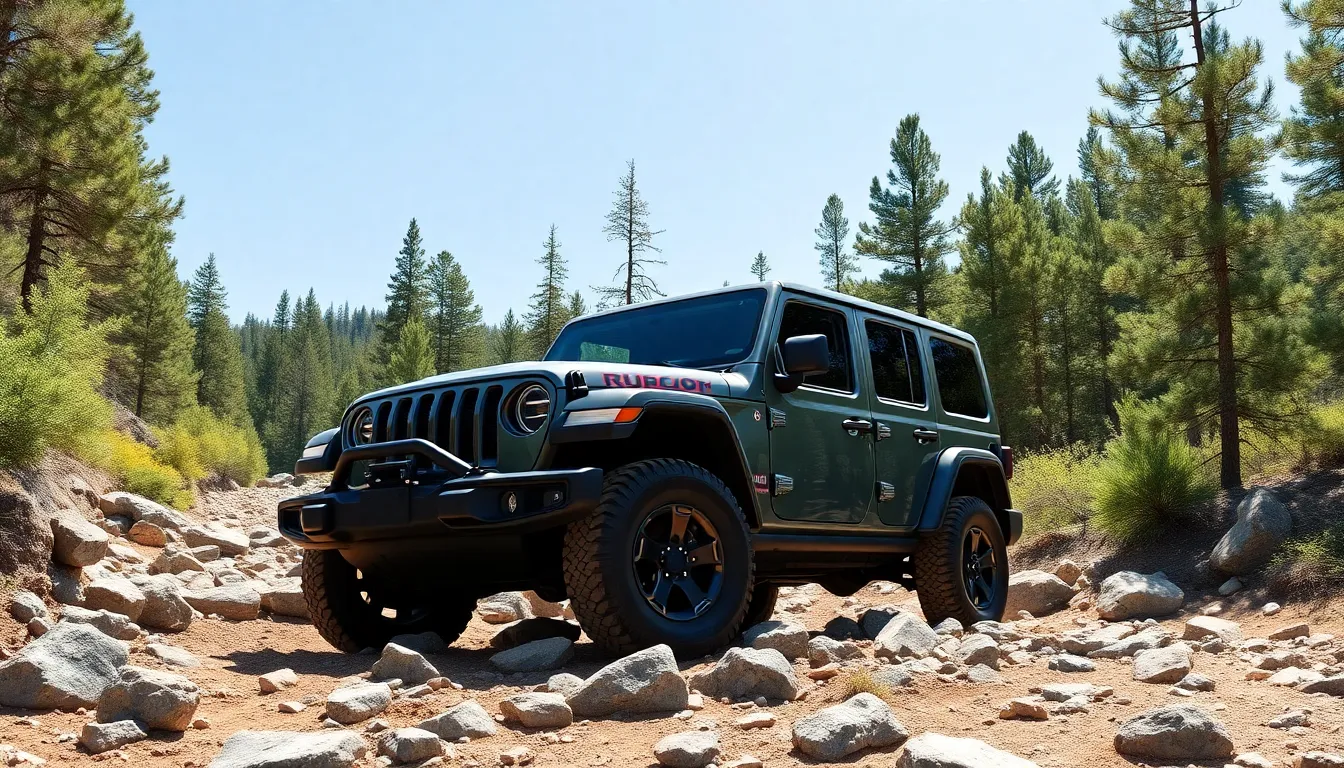
The JL generation, introduced in 2018, represents the pinnacle of Jeep Wrangler Rubicon evolution. This fourth-generation model masterfully blends traditional off-road capability with modern technology and comfort features that previous generations lacked.
The 2018-2020 JL Rubicon: Revolutionary Improvements
The initial JL Rubicon models brought revolutionary changes to the Wrangler lineup with a complete architectural redesign. Lightweight aluminum components, including doors and hood, significantly improved fuel efficiency without sacrificing the legendary durability. Off-road performance reached new heights with the electronically disconnecting front sway bar that provides superior wheel articulation when handling difficult terrain. The 2020 model year expanded powertrain options with the introduction of a torque-rich diesel V6 engine, giving off-road enthusiasts more choices to match their driving needs. Safety technology took a major leap forward with the addition of blind-spot monitoring and rear cross-traffic alert systems, features previously unavailable in this rugged off-roader. The Selec-Trac 4×4 system introduced in this period allows for confident four-wheel drive operation at any speed, improving both off-road capability and on-road comfort.
The 2021-2023 Rubicon: Technology Meets Tradition
Between 2021 and 2023, the JL Rubicon maintained its mechanical excellence while introducing subtle refinements. These model years expanded color options and trim details, allowing for greater personalization without compromising the core off-road DNA. The infotainment system received software updates throughout this period, improving connectivity and user experience. Interior comfort features continued to evolve, creating a more livable daily driver without sacrificing the trail-ready capabilities that define the Rubicon name. These models strike an ideal balance between authentic Jeep ruggedness and modern convenience, appealing to both purist off-roaders and everyday adventurers. Their proven reliability combined with technological sophistication makes the 2021-2023 Rubicon models highly sought after in both new and used markets.
Factors to Consider When Choosing Your Rubicon Year
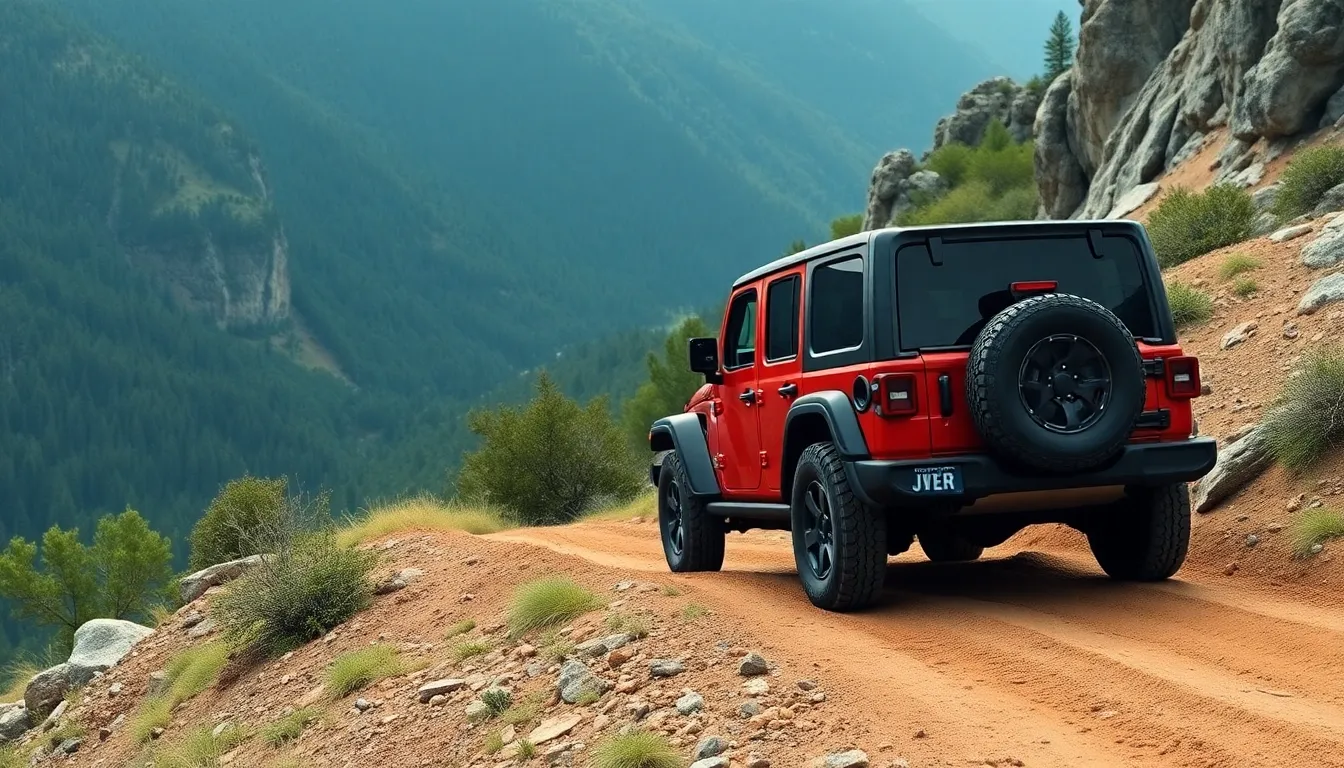
Selecting the ideal Jeep Wrangler Rubicon model year requires evaluating several critical factors that impact ownership experience and satisfaction. Your decision should balance historical reliability data, generation-exact issues, and financial considerations to find the perfect match for your needs.
Reliability and Common Issues by Generation
Each Wrangler Rubicon generation presents unique reliability profiles and common problems worth understanding before making your purchase. The YJ models (1991-1995) feature exceptionally reliable 4.0L engines and improved rust protection, making them solid choices for enthusiasts who appreciate mechanical simplicity and classic design elements. TJ Rubicons from 2004-2006 earned reputations for dependability with their robust 4.0L engines and coil spring suspensions that significantly enhanced ride quality, though they’re prone to oil leaks, radiator cracks, and oil pump drive assembly failures.
JK models underwent important improvements between 2007-2018, with later models (2012-2018) featuring the superior 3.6L Pentastar V6 engine that delivers better performance and fuel efficiency than earlier 3.8L engines which suffered from oil consumption issues. Many JKs experience the infamous “death wobble” steering problem, electrical issues with the Totally Integrated Power Module (TIPM), and water leaks around door seals. The current JL generation (2018-present) represents the pinnacle of Rubicon development with high reliability scores from Consumer Reports and J.D. Power, particularly in 2021-2023 models that maintain consistent performance while 2024 introduced notable updates including improved electronics and hybrid 4xe integration.
Value and Depreciation Considerations
Your investment in a Wrangler Rubicon varies significantly based on generation choice and depreciation patterns. Newer JL models command premium prices but retain their value exceptionally well due to cutting-edge technology, advanced off-road capabilities, and hybrid powertrain options. JK models from 2012-2018 offer an attractive middle ground, combining modern features with moderate depreciation and established reliability histories.
Earlier generations like TJ and YJ Rubicons provide more affordable entry points into Rubicon ownership but typically require additional maintenance investments to maintain optimal performance. The sweet spot for many buyers exists in late-model JKs (2015-2018) that blend proven reliability with modern amenities while avoiding the steeper depreciation curve of brand-new vehicles. Considering long-term ownership costs alongside purchase price helps identify which Rubicon year delivers the best overall value for your exact needs and budget constraints.
The Ultimate Verdict: Best Year for Jeep Wrangler Rubicon
After analyzing reliability data, performance metrics, and owner feedback, three distinct Rubicon model years stand out above the rest. Each generation offers unique advantages depending on your priorities.
The 2003-2006 TJ Rubicon represents the purest off-road experience with its legendary 4.0L inline-6 engine and mechanical simplicity. These models feature the original Rock-Trac 4:1 transfer case, Dana 44 axles, and locking differentials without excessive electronics. Many long-time Jeep enthusiasts consider this the “golden era” for serious trail riding and mechanical reliability.
For the JK generation, the 2015-2016 models emerge as the clear winners. These Rubicons benefit from the refined Pentastar 3.6L V6 engine and post-recall improvements that addressed earlier issues like the infamous “death wobble.” They strike an excellent balance between off-road capability and daily drivability with enhanced interior comfort.
The current JL Rubicon (2021-2025) tops the charts for those seeking modern technology alongside trail prowess. These models boast impressive reliability ratings from both Consumer Reports and J.D. Power while offering advanced features like the available 4xe hybrid powertrain. Their refined ride quality and updated technology make them the most livable Rubicons ever produced.
| Generation | Best Years | Key Strengths | Ideal For |
|---|---|---|---|
| TJ | 2003-2006 | Simplicity, 4.0L engine, pure off-road ability | Purists, budget-conscious buyers |
| JK | 2015-2016 | Refined Pentastar engine, balanced capabilities | All-around performance seekers |
| JL | 2021-2025 | Modern tech, best reliability, hybrid options | Those wanting latest features |
The ultimate best year depends entirely on your exact needs. Choose the TJ models for mechanical simplicity and affordability, the 2015-2016 JKs for a proven platform with modern amenities, or the latest JL for cutting-edge technology and refinement without sacrificing capability.
Conclusion
Choosing the best Jeep Wrangler Rubicon comes down to what you value most in your off-road companion. The TJ models offer mechanical simplicity and pure off-road prowess while the refined 2015-2016 JKs deliver the perfect balance of reliability and capability without very costly.
For those seeking cutting-edge technology paired with legendary performance the 2021+ JL Rubicons stand as the pinnacle of Jeep engineering. Each generation has its strengths with later models in any series typically offering more refinement.
Whether you prioritize classic Jeep character rugged dependability or modern luxury there’s a perfect Rubicon year waiting for you. Your ideal model eventually depends on your budget adventure goals and how you’ll use this iconic 4×4 machine.
Frequently Asked Questions
What is the Jeep Wrangler Rubicon?
The Jeep Wrangler Rubicon is the most off-road capable trim level of the Wrangler lineup, introduced in 2003. Named after the challenging Rubicon Trail in California, it features specialized equipment like electronic locking differentials, an electronic disconnecting front sway bar, heavy-duty Dana 44 axles, and the Rock-Trac 4×4 system that distinguishes it from standard Wrangler models.
Which Jeep Wrangler Rubicon generation is the most reliable?
The late-model JK Rubicons (2015-2016) and current JL generation (2018-present) are considered the most reliable. The JK models from these years feature the refined 3.6L Pentastar V6 engine with fewer issues than earlier versions, while the JL models have shown impressive reliability scores with continuous improvements in build quality and technology.
What are the best years for the Jeep Wrangler Rubicon?
The best years for the Rubicon are the 2003-2006 TJ models for mechanical simplicity, the 2015-2016 JK models for balanced capability and reliability, and the 2021+ JL models for modern features and technology. Your ideal choice depends on whether you prioritize pure off-road capability, overall balance, or modern amenities.
What major changes were introduced with the JL Rubicon in 2018?
The 2018 JL Rubicon introduced a redesigned frame, improved aerodynamics, new engine options (including a turbocharged four-cylinder and later a 3.0L EcoDiesel), lightweight aluminum components, advanced technology features, and enhanced off-road capabilities including the Off-Road+ mode. It also offers significantly improved on-road comfort and handling compared to previous generations.
Is the Jeep Wrangler Rubicon good for daily driving?
Yes, especially newer models. While the TJ and early JK Rubicons were primarily off-road vehicles with compromised on-road comfort, the late JK (2015-2018) and JL (2018-present) Rubicons offer significantly improved ride quality, noise insulation, and modern comforts. The JL generation particularly excels at balancing legendary off-road capability with daily driving practicality.
What engine options are available in the Rubicon?
Engine options have evolved across generations. The TJ featured 4.0L inline-six engines, while JK models initially had a 3.8L V6 before upgrading to the superior 3.6L Pentastar V6 in 2012. The JL generation offers multiple options including a 2.0L turbocharged four-cylinder, the 3.6L Pentastar V6, a 3.0L EcoDiesel V6, and in the Rubicon 392, a powerful 6.4L V8 engine.
How much should I expect to pay for a used Rubicon?
Pricing varies significantly based on age, condition, and modifications. Expect to pay $15,000-$25,000 for well-maintained TJ Rubicons (2003-2006), $25,000-$35,000 for late-model JK Rubicons (2015-2018), and $40,000+ for recent JL models. Rubicons typically command a $5,000-$10,000 premium over standard Wrangler models due to their enhanced off-road capabilities.
What features make the Rubicon better for off-roading than standard Wranglers?
The Rubicon includes several factory features that set it apart: electronic front and rear locking differentials, an electronic disconnecting front sway bar, heavy-duty Dana 44 axles front and rear, lower crawl ratios (4:1 in most models), rock rails, specialized off-road suspension, and aggressive BF Goodrich all-terrain tires. These components work together to create superior off-road capability straight from the factory.
Does the Rubicon hold its value well?
Yes, the Rubicon has exceptional resale value, often retaining 60-70% of its original price after five years—well above industry averages. The TJ Rubicon has become somewhat collectible, while late-model JKs and JLs command strong prices on the used market. Limited production models like the Rubicon 392 and special editions tend to depreciate even less than standard Rubicons.
What are common problems to watch for when buying a used Rubicon?
Issues vary by generation. TJ models may have frame rust and aging drivetrain components. Early JK models (2007-2011) can suffer from engine issues with the 3.8L V6 and TIPM electrical problems. All JKs should be checked for “death wobble” (steering oscillation). JL models have fewer chronic issues but early production units (2018) had some quality control problems that were addressed in subsequent model years.