Struggling with 3.0 Duramax problems in your diesel truck? You’re not alone. While GM’s 3.0L Duramax engine offers impressive fuel efficiency and torque, many owners have encountered exact issues that can be both frustrating and costly.
Whether you’re experiencing the notorious DEF system failures, dealing with unexpected fuel pump issues, or noticing concerning oil leaks, understanding these common problems is crucial for maintaining your investment. In this comprehensive guide, we’ll explore the most prevalent 3.0 Duramax issues, their warning signs, and—most importantly—how you can address them before they lead to major repairs.
Understanding the 3.0 Duramax Engine
The 3.0L Duramax diesel engine represents GM’s innovative approach to combining power and efficiency in a compact package. Introduced in 2019, this inline-six turbodiesel engine was designed specifically for half-ton trucks and SUVs in the GM lineup, including the Chevrolet Silverado, GMC Sierra, and later the Tahoe and Suburban models.
Boasting 277 horsepower and 460 lb-ft of torque, this powerplant delivers impressive towing capacity while maintaining fuel economy ratings that reach up to 30 mpg highway in some applications. Its aluminum block construction helps reduce overall weight compared to traditional cast-iron diesel engines, contributing to better fuel efficiency and handling characteristics.
Advanced features of the 3.0 Duramax include a variable-geometry turbocharger, high-pressure common rail fuel injection system operating at 36,250 psi, and a ceramic glow plug system that enables quick starts even in cold weather conditions. The engine incorporates a 10-speed automatic transmission across all applications, optimizing both performance and efficiency.
“I’ve worked on dozens of these engines since they were released,” notes Liam Kohn, diesel technician with 15 years of experience. “When they’re running right, they’re fantastic engines – smooth, quiet, and more efficient than many customers expect from a diesel.”
Even though these impressive specifications, the 3.0 Duramax has faced several recurring issues that owners should be aware of. The DEF system problems mentioned earlier represent just one category of concerns that have emerged as these engines accumulate miles. Understanding the engine’s design and operation provides essential context for recognizing and addressing the problems that can affect performance and reliability.
Common Problems with the 3.0 Duramax Engine
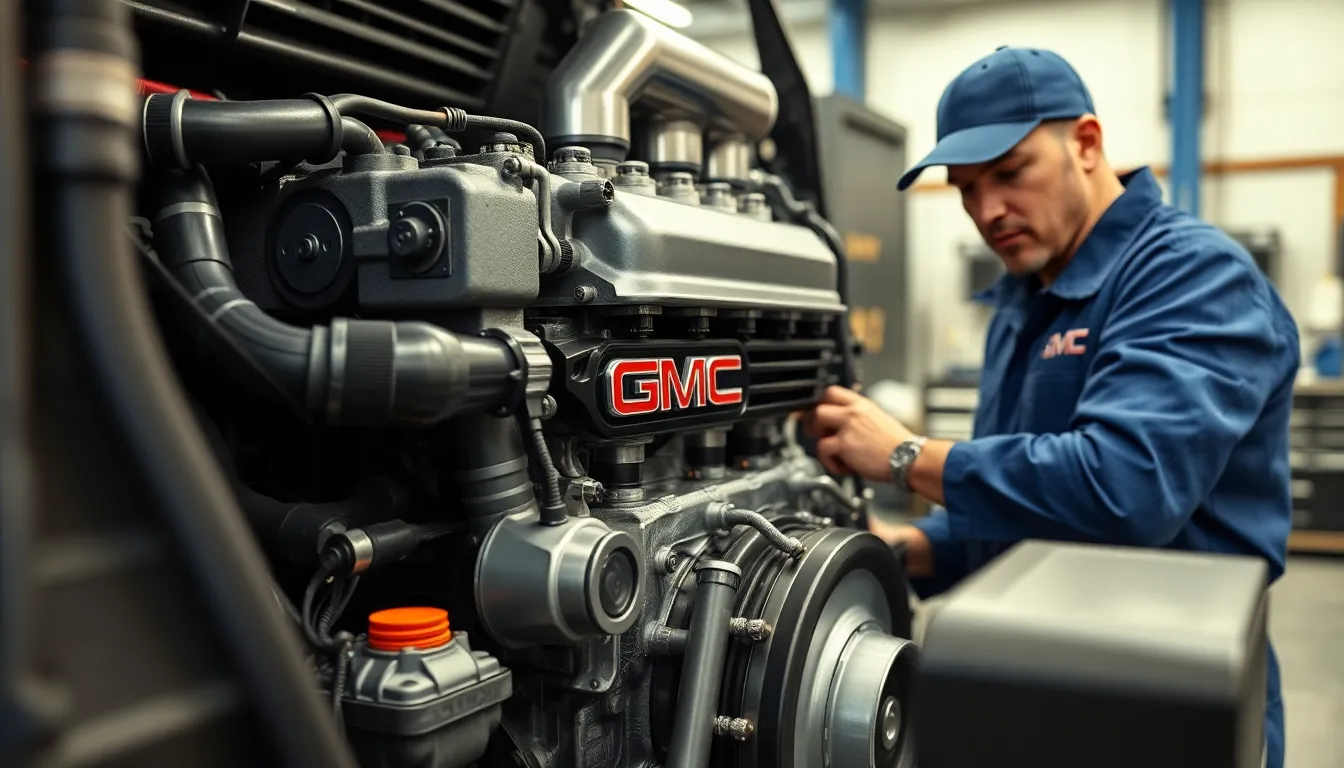
The 3.0 Duramax diesel engine found in GMC and Chevrolet trucks suffers from several recurring issues even though its impressive power and efficiency specs. These problems typically affect three major systems and can occur even in low-mileage vehicles, causing important headaches for owners.
Emissions System Failures
Emissions-related problems rank among the most frequent complaints from 3.0 Duramax owners. The diesel exhaust fluid (DEF) system often triggers warning lights and service notifications, sometimes appearing in vehicles with as little as 400 miles on the odometer. These persistent warnings frequently force the vehicle into a frustrating “reduced acceleration” mode, limiting performance and drivability. Many GMC and Chevrolet dealerships struggle to identify and permanently resolve these emissions issues, resulting in multiple service visits without lasting answers. The Exhaust Gas Recirculation (EGR) system also commonly fails, causing excessive soot buildup throughout the engine and creating noticeable performance problems that worsen over time.
Fuel System Issues
Fuel delivery complications plague many 3.0 Duramax engines, particularly involving injector and high-pressure fuel pump (HPFP) failures. These critical components directly impact engine performance, with their malfunction leading to hard starting conditions or complete no-start scenarios. A particularly troublesome issue involves the camshaft trigger wheel interfering with the timing chain, which disrupts ignition signals and creates extremely long crank times or starting failures. Repairs for this problem often require extensive labor, with technicians sometimes needing to remove the entire cab for proper access to the affected components. These fuel system repairs typically involve important downtime and expense for truck owners.
Cooling System Complications
Cooling system problems in the 3.0 Duramax frequently manifest as persistent leaks that affect engine temperature regulation. Rear main seal oil leaks represent a common failure point, allowing oil to escape and potentially contaminating other components. These cooling issues rarely occur in isolation, instead typically accompanying other engine component failures and compounding overall reliability concerns. The interconnected nature of these cooling system complications means that addressing one problem often reveals additional issues requiring attention, creating a cascading effect of repairs and maintenance needs that frustrate many Duramax owners.
Transmission-Related Problems in 3.0 Duramax Vehicles
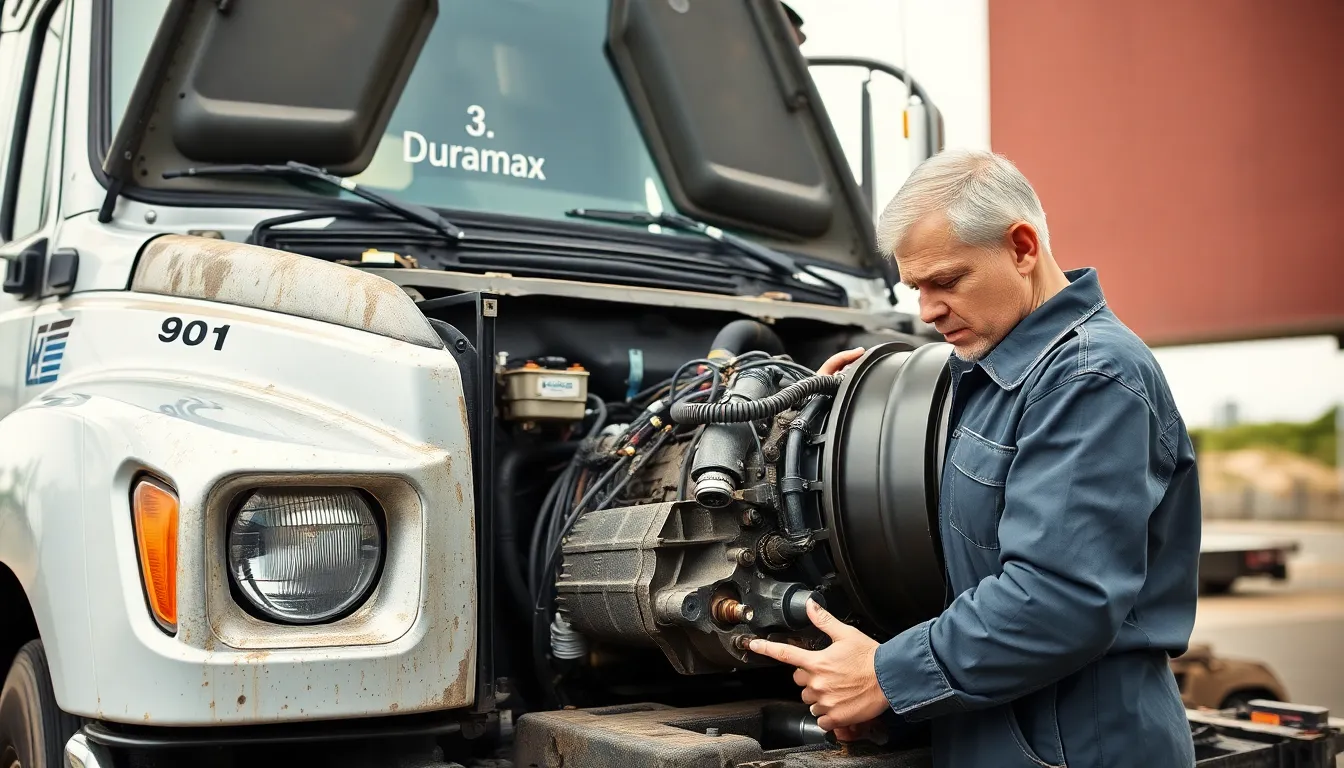
Transmission issues represent some of the most serious complications affecting 3.0 Duramax-equipped trucks. GM’s diesel powerplant, while innovative in many respects, has developed a concerning reputation for transmission failures that can leave owners stranded or facing expensive repairs.
Torque Converter Shudder
Torque converter shudder manifests as a noticeable vibration or shaking sensation, particularly at low speeds. This uncomfortable condition typically occurs between 40-50 mph during light acceleration or when maintaining steady cruising speeds. Many drivers describe the sensation as similar to driving over rumble strips, making everyday commutes frustrating and uncomfortable. The shudder often becomes progressively worse over time, eventually requiring dealer intervention to resolve.
Premature Transmission Failure
Catastrophic transmission failures have been documented in many 3.0 Duramax vehicles, sometimes with remarkably low mileage. Owners report complete transmission failures occurring between 5,000 and 37,500 miles—well below the expected lifespan of modern transmissions. These failures aren’t merely inconvenient; they’re often described as “violent” breakdowns, particularly alarming when they occur during towing operations. Sudden loss of power and unusual noises typically precede these failures, leaving drivers with inoperable vehicles and important repair needs.
Clutch Pack Engagement Problems
The transmission in 3.0 Duramax trucks contains multiple clutch packs that engage and disengage to control power flow. A particularly dangerous fault occurs when the fourth clutch pack engages inappropriately, locking the transmission’s output shaft. In four-wheel drive models, this malfunction can simultaneously lock both front and rear axles—creating an extremely hazardous driving condition. This locking sensation typically happens without warning and can cause drivers to lose control, especially at highway speeds or during cornering maneuvers.
Limited Warranty Coverage and Repair Challenges
Even though the frequency and severity of transmission issues, warranty coverage has proven frustrating for many owners. Repairs often involve extensive labor, with some fixes requiring complete cab removal to access transmission components. Dealers may initially attempt less comprehensive repairs that fail to address underlying problems, leading to repeated service visits. The complex nature of these repairs means extended downtime for affected vehicles, creating important hardship for owners who rely on their trucks for work or daily transportation.
Cost Analysis of 3.0 Duramax Repairs
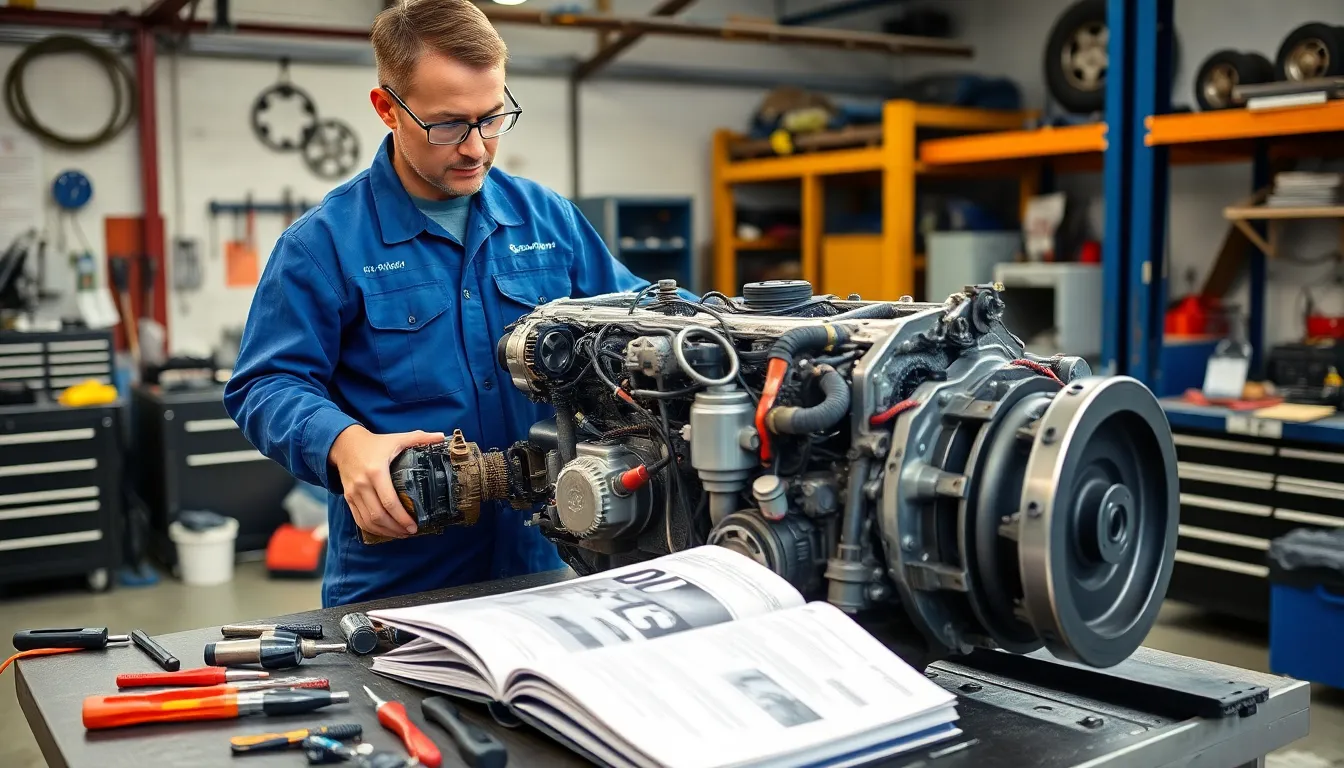
Repairing a 3.0 Duramax engine often involves substantial expenses, with several common issues requiring extensive labor and specialized parts. The camshaft trigger wheel failure, a primary cause of starting problems, typically requires approximately 3.1 hours of labor for repair, with costs varying significantly based on shop rates. Labor charges alone can exceed $300-$400 at many dealerships, not including the parts themselves.
Oil leak repairs involving the rear main seal create another major expense category for Duramax owners. These repairs frequently require partial engine disassembly, which translates to 4-6 hours of labor in most cases. The technical complexity of accessing the rear main seal contributes to the high repair costs, with many owners reporting total expenses between $800-$1,200 for this fix alone.
Emissions system repairs represent perhaps the most unpredictable cost center for 3.0 Duramax trucks. DEF system components, sensors, and related hardware often require multiple diagnostic attempts before resolution. Many owners report spending $1,500+ on emissions repairs, with some facing repeated service visits as technicians struggle to identify root causes. These diagnostic challenges multiply costs beyond the simple replacement of components.
The cold weather fan speed issue, while technically less expensive to address, creates indirect costs through inconvenience and potential battery strain. The current workaround of disconnecting batteries in freezing conditions offers no permanent solution, leaving owners to manage this problem through multiple winter seasons without resolution from GM.
Warranty coverage significantly impacts these repair economics, with many owners reporting mixed experiences with dealership service departments. Trucks still under warranty avoid immediate out-of-pocket expenses, but often face extended downtime as parts are ordered and repairs scheduled. This hidden cost of ownership proves particularly frustrating for those who depend on their vehicles for work or daily transportation.
Reliability Comparison with Other Diesel Engines
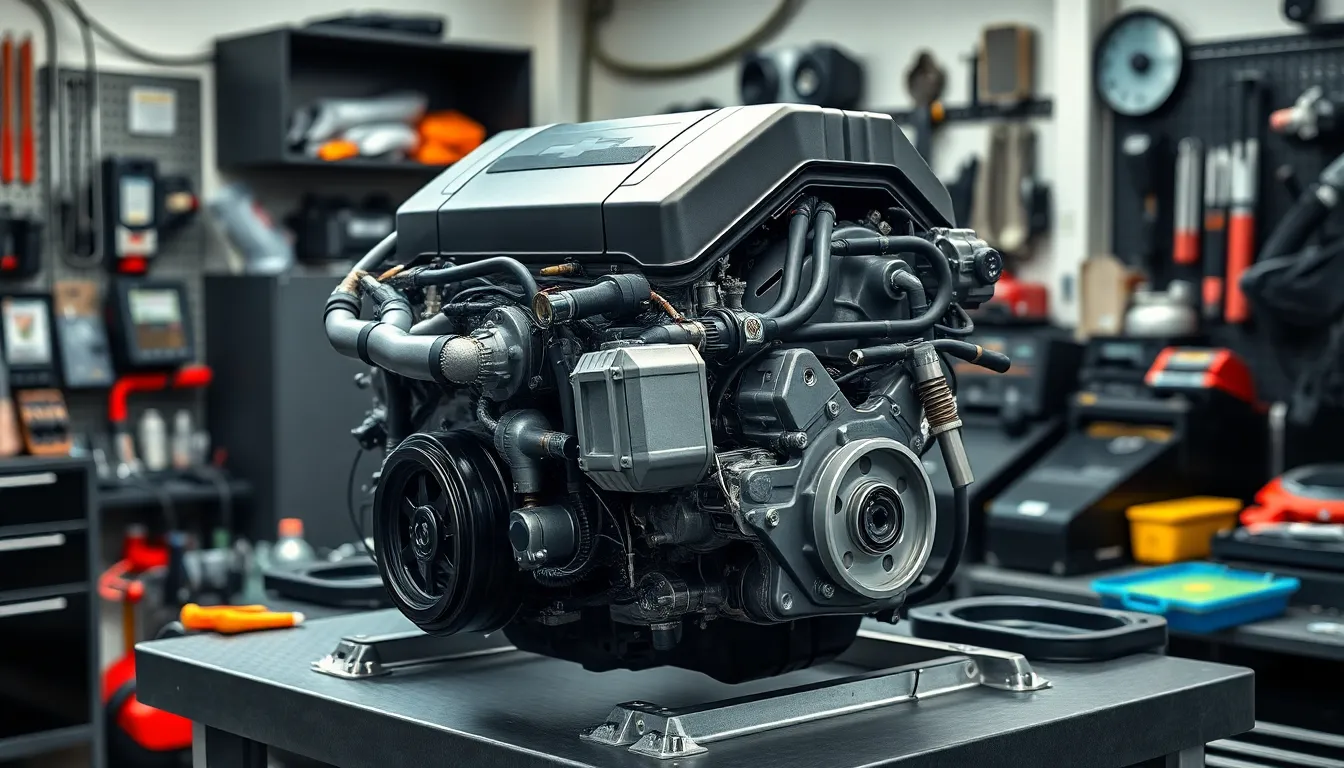
The 3.0L Duramax offers impressive fuel economy and power in a compact package, but its reliability profile differs significantly from other diesel engines in the market. Compared to the larger 6.6L Duramax V8, the 3.0L version demonstrates better efficiency and smoother operation while sacrificing some durability aspects. Many owners report that even though its ability to tow up to 13,300 pounds, the recurring issues with starting reliability, emissions systems, and oil leaks present long-term ownership challenges not typically seen in more established diesel platforms.
GM’s integration of both high and low-pressure EGR systems in the 3.0L Duramax improves emissions performance by recycling exhaust gases after the diesel particulate filter. This advanced design contributes to its cleaner operation compared to older diesel engines but introduces additional complexity that can lead to more frequent maintenance requirements. The smaller displacement engine delivers strong performance metrics while facing reliability obstacles that its larger counterparts often avoid.
Maintenance complexity represents a key differentiator between the 3.0L Duramax and competing diesel engines. The requirement to remove the transmission for replacing the oil pump belt at 150,000 miles creates a substantial service burden not present in many alternative diesel options. Dealerships frequently struggle to diagnose and resolve emissions-related problems effectively, leaving owners with unresolved issues even after multiple repair attempts.
Warranty coverage becomes particularly important for 3.0L Duramax owners due to these reliability concerns. The prevalence of camshaft trigger wheel failures and rear main seal oil leaks even at relatively low mileage points to potential design weaknesses not commonly found in more established diesel engines. Extended warranties offer critical protection against the substantial repair costs associated with these known failure points.
Preventative Maintenance Tips for 3.0 Duramax Owners
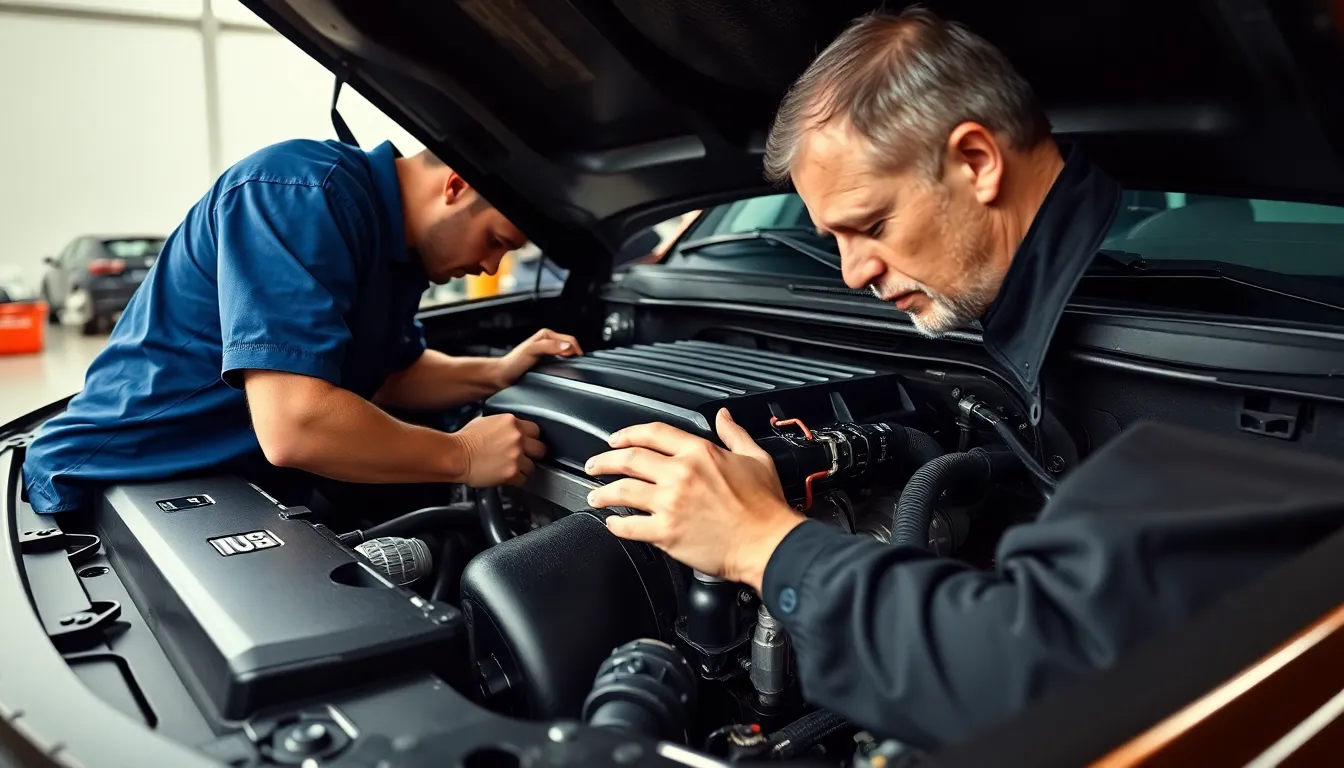
Monitoring your starting behavior provides early warning signs of potential issues with your 3.0 Duramax. Pay close attention to increasing crank times or no-start conditions, as these symptoms often indicate problems with the camshaft trigger wheel or timing chain that require immediate inspection by a qualified technician.
Regular checks for oil leaks around your engine, particularly near the rear main seal, can prevent extensive damage. Oil leakage from this area is a common problem with the 3.0 Duramax, and addressing these leaks promptly helps avoid more costly repairs down the road.
Periodic inspection of fuel system components extends your engine’s lifespan significantly. Examine the high-pressure fuel pump and injectors for signs of wear or failure, as these critical components directly impact engine performance and can lead to complete failure when neglected.
Maintaining a clean, functional EGR system reduces the risk of emissions-related problems. Build-up in the exhaust gas recirculation system can cause performance issues and trigger check engine lights, making regular maintenance essential for optimal operation.
Following manufacturer guidelines for oil pump belt replacement ensures proper engine lubrication. This maintenance item is particularly important for the 3.0 Duramax, as belt failure can lead to catastrophic engine damage and the replacement procedure requires substantial labor.
Addressing high fan speed issues in cold weather conditions prevents unnecessary battery drain. Many owners have reported that when the cooling fan runs persistently at high speed after cold-weather starts, disconnecting the battery for a hard reset often resolves the problem temporarily.
Consulting certified GMC mechanics for diagnostic work saves time and prevents misdiagnosis. These specialists possess the exact knowledge and tools required to accurately identify and repair the unique problems associated with the 3.0 Duramax diesel engine.
Conclusion
The 3.0 Duramax presents a mix of impressive capabilities and concerning reliability issues that deserve your attention. While delivering excellent fuel economy and torque for towing these engines face unique challenges with emissions systems DEF components and transmission reliability.
Your vigilance in monitoring warning signs and following preventative maintenance can significantly reduce the risk of costly repairs. Regular inspections of oil leaks starting behavior and fuel system components are essential steps in preserving your engine’s health.
For many owners warranty coverage becomes a critical factor in the ownership experience. Understanding these common problems empowers you to make informed decisions about purchasing maintaining or repairing your 3.0 Duramax-equipped vehicle while maximizing its impressive performance potential.
Frequently Asked Questions
What are the most common problems with the 3.0L Duramax engine?
The most common problems with the 3.0L Duramax engine include DEF system failures, fuel pump malfunctions, oil leaks (particularly from the rear main seal), emissions system issues with the EGR, and transmission-related problems including torque converter shudder. Camshaft trigger wheel failures are also frequently reported. These issues can lead to warning lights, reduced acceleration, hard starting, or complete no-start conditions.
How much does it typically cost to repair 3.0 Duramax issues?
Repair costs for 3.0 Duramax issues vary widely but are often substantial. Emissions system repairs frequently exceed $1,500 due to multiple diagnostic attempts. Rear main seal oil leaks and camshaft trigger wheel failures require extensive labor, significantly increasing costs. Many owners report total repair bills ranging from $1,000 to $3,000 depending on the specific issue and whether the vehicle is under warranty.
How does the 3.0L Duramax compare to other diesel engines in reliability?
While the 3.0L Duramax offers impressive fuel economy (up to 30 mpg highway) and power (277 hp, 460 lb-ft torque), it faces more long-term reliability challenges than established diesel platforms. Its complex emissions systems with high and low-pressure EGR increase maintenance needs. The engine’s design requiring transmission removal for oil pump belt replacement at 150,000 miles also makes maintenance more complex and expensive.
What transmission problems affect trucks with the 3.0 Duramax?
Trucks with the 3.0 Duramax often experience torque converter shudder (vibrations at low speeds), premature transmission failures even at low mileage, and clutch pack engagement problems that can lock the transmission’s output shaft unexpectedly. These issues have earned the transmission a concerning reputation, with some owners describing “violent” breakdowns that leave vehicles inoperable and require extensive repairs.
What preventative maintenance can help avoid 3.0 Duramax problems?
Key preventative maintenance includes monitoring starting behavior for early warning signs, regularly checking for oil leaks, inspecting fuel system components, maintaining a clean EGR system, and following manufacturer guidelines for oil pump belt replacement. Also, address high fan speed issues in cold weather and consult certified GMC mechanics for accurate diagnostics. Proactive maintenance significantly extends engine lifespan.
Are 3.0 Duramax repairs covered under warranty?
Warranty coverage for 3.0 Duramax issues varies. Many common problems like camshaft trigger wheel failures and rear main seal oil leaks are typically covered under the factory powertrain warranty. However, owners report mixed experiences with dealership service, and the lengthy repair process often results in extended vehicle downtime. For issues beyond the warranty period, repair costs can be substantial.
What warning signs indicate potential 3.0 Duramax problems?
Warning signs include check engine lights, reduced power warnings, unusual vibrations, hard starting conditions, excessive fan noise, visible fluid leaks, and unusual exhaust smoke. For transmission issues, watch for shuddering at low speeds or during gear changes. Owners should also be alert to any DEF system warnings or sudden drops in fuel economy, which often precede more serious failures.
How does the fuel system affect 3.0 Duramax performance?
The 3.0 Duramax uses a high-pressure common rail fuel injection system that, when problematic, can cause hard starting, poor acceleration, or complete failure to start. Fuel injector and high-pressure fuel pump failures are commonly reported issues. These components are sensitive to fuel quality, so using high-quality diesel fuel and regularly replacing fuel filters can help maintain system integrity and engine performance.