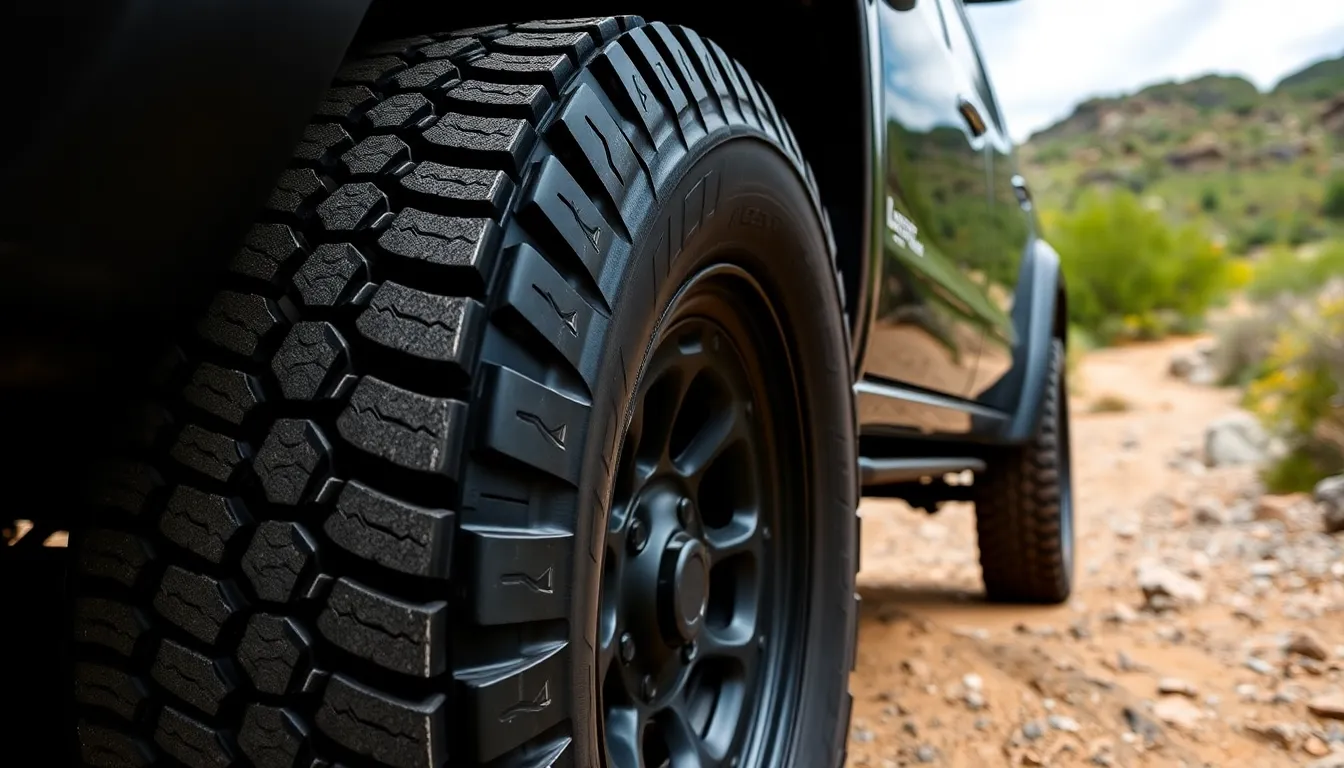
Wondering what 265 70 R17 actually means in inches? This tire size code might look like a random string of numbers, but it contains crucial information about your vehicle’s performance and compatibility.
When you’re shopping for new tires or trying to understand your current set, knowing the exact dimensions is essential. The 265 70 R17 designation represents exact measurements of width, aspect ratio, and rim diameter that translate into actual inches. Understanding these measurements helps you make informed decisions about replacements and ensures you’re getting the right fit for your truck, SUV, or off-road vehicle.
Understanding Tire Size Notation: What 265 70 R17 Means
Tire size notation follows a standardized format that provides crucial information about the tire’s dimensions. The code “265 70 R17” represents three key measurements that determine how your tire fits and performs on your vehicle.
The first number, 265, indicates the tire’s width in millimeters from sidewall to sidewall. At 265mm (approximately 10.4 inches), this measurement represents a relatively wide tire commonly found on trucks and SUVs.
Following the width, the number 70 refers to the aspect ratio, which is the height of the tire’s sidewall expressed as a percentage of the width. In this case, the sidewall height equals 70% of 265mm, calculating to about 185.5mm (7.3 inches). Tires with higher aspect ratios generally provide more cushioning and comfort on rough roads.
The “R” in the middle of the code stands for “Radial,” indicating the tire’s construction type. Radial tires, which have layers running radially across the tire, are the most common type in modern vehicles due to their superior performance and durability compared to older bias-ply construction.
Finally, the number 17 specifies the wheel diameter in inches. This measurement tells you the size of wheel rim that the tire is designed to fit. A 265 70 R17 tire must be mounted on a 17-inch diameter wheel rim.
Understanding these components helps you make informed decisions when replacing tires. Proper tire sizing ensures optimal handling, accurate speedometer readings, and appropriate load-carrying capacity for your exact vehicle.
Converting 265 70 R17 to Inches: Dimensions Explained
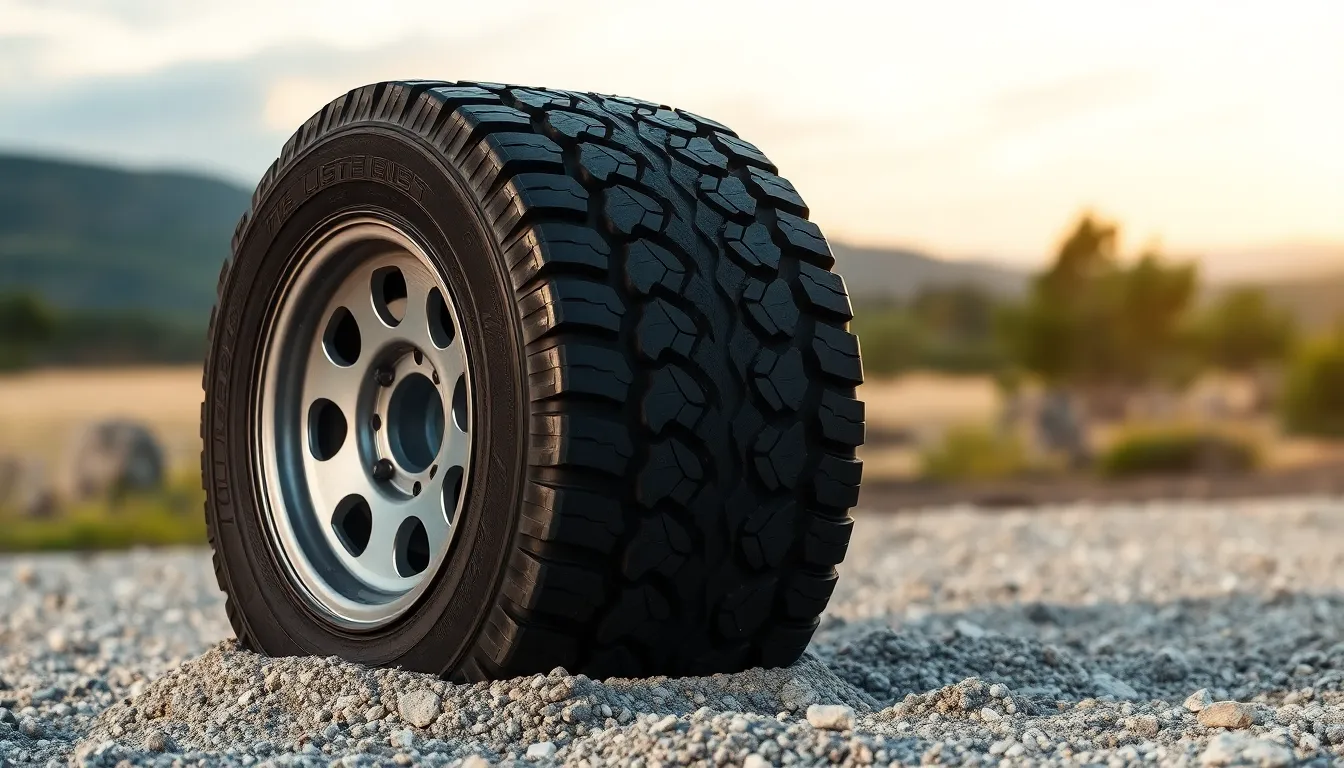
Understanding the exact measurements of a 265/70R17 tire in inches helps you select the right tire for your vehicle. This conversion process involves calculating several key dimensions that impact your vehicle’s performance, clearance, and handling.
Overall Diameter Calculation
The overall diameter of a 265/70R17 tire measures approximately 31.6 inches from ground to top. To calculate this dimension, you’ll need to convert the section width from millimeters to inches first (265mm ÷ 25.4 = 10.4 inches). The sidewall height equals 70% of this width, resulting in about 7.3 inches per sidewall. Adding both sidewall heights to the 17-inch rim diameter completes the calculation: 17 + (2 × 7.3) = 31.6 inches. This total diameter affects your vehicle’s ground clearance, speedometer accuracy, and overall ride characteristics.
Section Width in Inches
The section width of a 265/70R17 tire translates to approximately 10.4 inches measured from sidewall to sidewall. This measurement comes from converting the metric specification of 265 millimeters into the imperial equivalent (265 ÷ 25.4 = 10.4). The width dimension impacts how your tire performs in different conditions, with wider tires typically offering better traction on dry surfaces but potentially reduced fuel efficiency. Trucks and SUVs commonly use this width for a balance of stability and performance.
Sidewall Height Measurement
A 265/70R17 tire features a sidewall height of approximately 7.3 inches from rim to tread. This dimension results from calculating 70% of the section width (10.4 inches × 0.70 = 7.3 inches). Taller sidewalls provide additional cushioning for a smoother ride on rough terrain, absorbing bumps and protecting your rims from damage. The sidewall height also contributes to the tire’s load-carrying capacity and affects how responsive your vehicle feels during cornering. For trucks and off-road vehicles, this moderate sidewall height strikes a balance between comfort and handling precision.
Real-World Applications of 265 70 R17 Tires
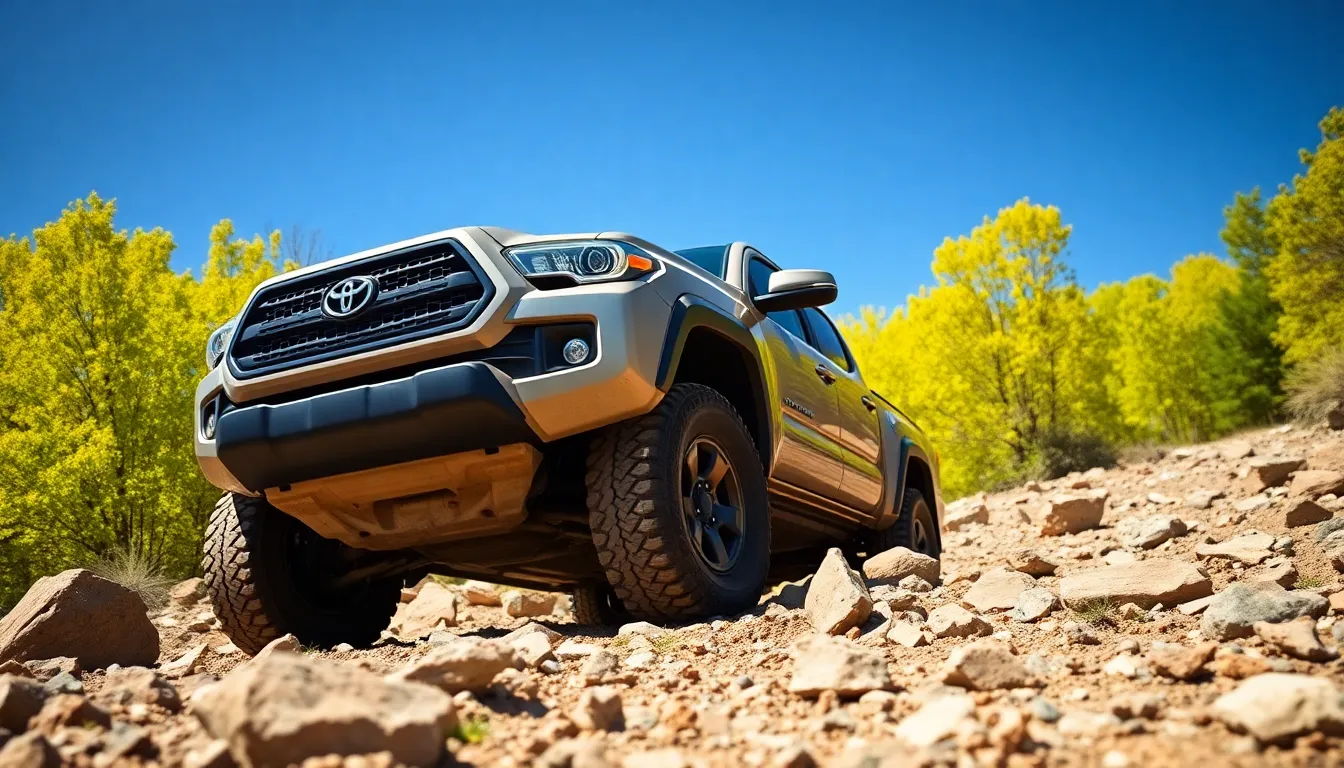
The 265/70R17 tire size offers exceptional versatility for a wide range of vehicles and driving conditions. These tires balance off-road capability with on-road comfort and durability, making them ideal for drivers who need reliable performance across various terrains. Their 10.4-inch width and 7.3-inch sidewall height create an optimal combination for many trucks and SUVs.
Popular Vehicles Using This Tire Size
Many midsize and full-size trucks and SUVs come equipped with 265/70R17 tires from the factory. Toyota Tacoma owners frequently choose this tire size for its balanced performance characteristics that complement the truck’s capabilities. Ford Ranger and Nissan Frontier trucks also commonly use these tires, taking advantage of their load capacity and moderate off-road abilities. Certain trims of the Jeep Grand Cherokee feature this tire size to enhance both highway comfort and trail readiness. Chevrolet Colorado drivers benefit from the tire’s versatility, allowing them to transition seamlessly between work sites and weekend adventures without changing wheels.
Off-Road Performance Considerations
The 7.3-inch sidewall height provides excellent cushioning when traversing rocky terrain or absorbing obstacles on unpaved trails. Traction on loose surfaces like dirt, mud, and gravel improves significantly thanks to the 10.4-inch wide tread that distributes weight effectively. These tires offer a practical compromise compared to larger options such as 285/70R17, delivering better fuel economy and reduced strain on drivetrain components while still maintaining adequate ground clearance. Proper rim width compatibility ranges from 7-9 inches for passenger tires and 7-8.5 inches for light truck variants in this size, ensuring optimal performance and preventing handling issues. The all-season tread designs available in 265/70R17 perform reliably in wet and dry conditions, making them suitable for year-round use in most climates.
Comparing 265 70 R17 to Similar Tire Sizes
The 265/70R17 tire size offers exact performance characteristics that differ from similar alternatives. Understanding these differences helps you make informed decisions when selecting tires for your vehicle.
Size Comparison with Popular Alternatives
265/70R17 tires measure approximately 31.6 inches in total diameter and have a width of 10.4 inches. Compared to 285/70R17 tires, they’re about 1.1 inches smaller in overall diameter, creating a noticeable difference in vehicle stance. This size differential results in approximately a 3.4% variation in speedometer readings when switching between these two sizes. The 265/65R17 option sits 1.04 inches shorter than the 265/70R17, affecting speedometer accuracy by roughly 3.3%. Compatibility isn’t an issue for most vehicles, as 265/70R17 tires fit wheel widths ranging from 7-9 inches for passenger vehicles and 7-8.5 inches for light trucks.
| Tire Size | Overall Diameter | Width | Speedometer Difference |
|---|---|---|---|
| 265/70R17 | 31.6 inches | 10.4 inches | Baseline |
| 285/70R17 | 32.7 inches | 11.2 inches | +3.4% |
| 265/65R17 | 30.6 inches | 10.4 inches | -3.3% |
Pros and Cons of This Exact Dimension
The 265/70R17 tire size delivers several advantages for truck and SUV owners. Its balanced dimensions provide an excellent combination of ride comfort, off-road capability, and fuel efficiency for daily driving. The sidewall height of 7.3 inches absorbs road imperfections effectively, creating a smoother ride quality on rough terrain. Compatibility with widely available 17-inch rims makes finding replacement tires convenient and often more affordable. The reasonable 31.6-inch diameter maintains good vehicle handling characteristics without requiring important modifications to your vehicle.
Some limitations exist with this tire size compared to larger alternatives. Ground clearance remains slightly lower than what you’d get with larger sizes like the 285/70R17, potentially limiting extreme off-road capability in certain situations. The 70% aspect ratio sidewall may exhibit less stability during high-speed highway driving compared to lower-profile options. Switching to this size from your factory specifications without recalibration can affect both speedometer and odometer readings, potentially causing inaccuracies in distance tracking and speed monitoring.
How Tire Size Affects Vehicle Performance
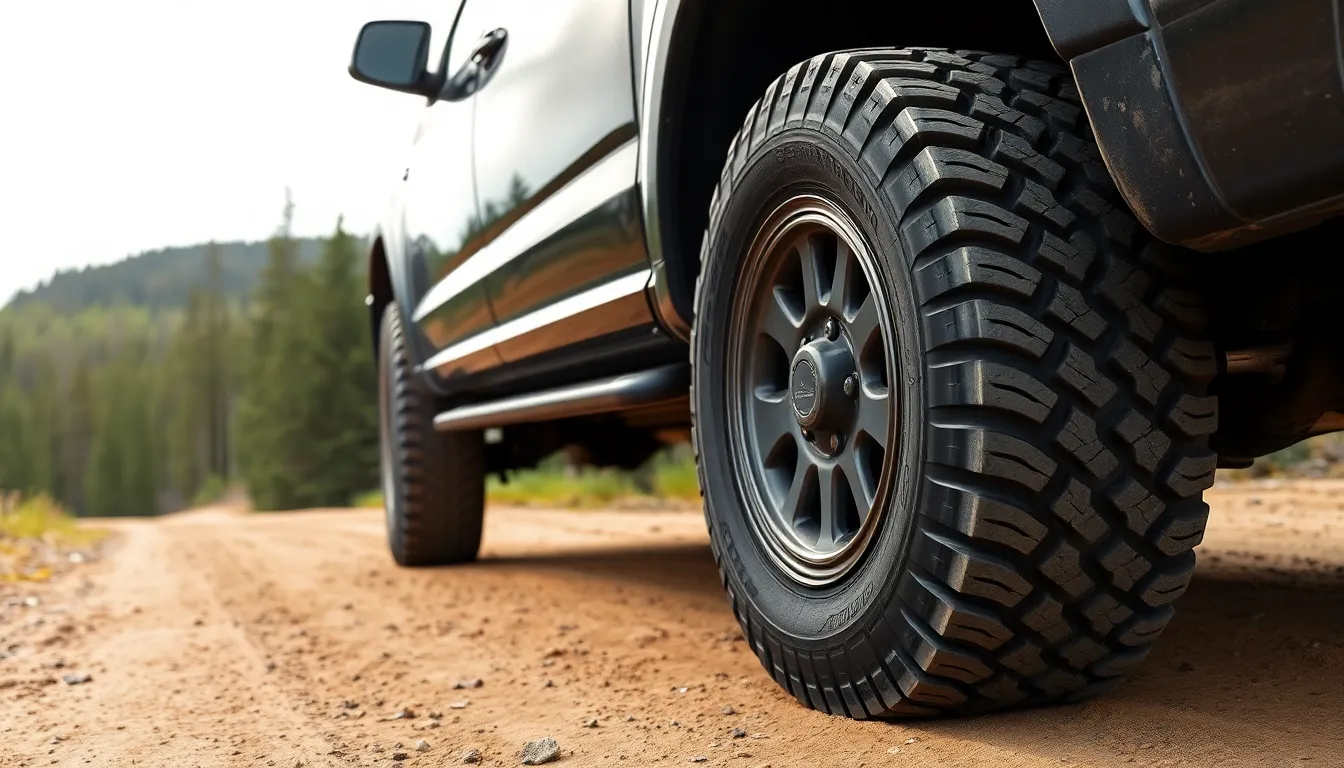
Tire size significantly impacts your vehicle’s overall performance characteristics, affecting everything from handling to fuel consumption. The 265/70R17 tire creates exact performance attributes that influence how your vehicle responds in various driving conditions.
Impact on Speedometer Accuracy
Changing from your factory tire size affects your speedometer’s reading accuracy due to the altered rotation rate. Larger diameter tires like the 285/70R17 (which is about 1.1 inches taller than the 265/70R17) rotate fewer times per mile, causing your speedometer to display a lower speed than you’re actually traveling. For instance, a 265/70R17 tire is approximately 3.3-3.4% larger than a 265/65R17, resulting in your speedometer under-reading by that same percentage. This means when your dashboard shows 60 mph, you’re actually moving at around 62 mph – a difference that can affect your compliance with speed limits and impact fuel consumption calculations.
Fuel Economy Considerations
The size of your tires directly influences your vehicle’s fuel efficiency through several mechanical factors. Heavier or larger tires like the 265/70R17 increase both rolling resistance and rotational mass, requiring your engine to work harder during acceleration and maintaining speed. This additional effort translates to decreased fuel economy as more energy is consumed to move the vehicle forward. Conversely, switching to tires that are too small can also reduce efficiency by forcing your engine to operate at higher RPMs during highway cruising. Finding the optimal tire size for your vehicle helps balance performance needs with fuel economy goals, particularly important for trucks and SUVs where the 265/70R17 size is commonly used.
Conclusion
Now you’ve got a complete understanding of what 265/70R17 means in inches – approximately 31.6 inches in diameter and 10.4 inches in width. This knowledge empowers you to make informed decisions when selecting tires for your truck or SUV.
Remember that this balanced tire size offers versatility for both highway driving and off-road adventures. The moderate sidewall height provides comfort while maintaining good handling characteristics.
Whether you’re driving a Toyota Tacoma Ford Ranger or Jeep Grand Cherokee this tire size delivers reliable performance across varied terrain. Just keep in mind that upgrading or changing tire sizes affects your vehicle’s speedometer accuracy fuel economy and overall driving experience.
Choose the right tire size for your exact needs and enjoy the perfect balance of performance comfort and capability.
Frequently Asked Questions
What does the tire size 265 70 R17 mean?
The tire size 265 70 R17 indicates specific dimensions: 265 represents the width in millimeters (10.4 inches), 70 is the aspect ratio (sidewall height is 70% of the width), R stands for radial construction, and 17 is the rim diameter in inches. This comprehensive code tells you exactly what size tire you need for proper vehicle fitment and performance.
What is the overall diameter of a 265/70R17 tire?
A 265/70R17 tire has an approximate overall diameter of 31.6 inches. This measurement includes both the rim diameter (17 inches) and the combined height of the upper and lower sidewalls. This dimension is crucial for determining ground clearance, speedometer accuracy, and proper fitment to your vehicle.
Which vehicles typically use 265/70R17 tires?
The 265/70R17 tire size is commonly found on mid-size trucks and SUVs including Toyota Tacoma, Ford Ranger, Nissan Frontier, Jeep Grand Cherokee, and Chevrolet Colorado. This size balances on-road comfort with off-road capability, making it ideal for vehicles that need versatile performance across different terrains.
How does the 265/70R17 perform off-road?
The 265/70R17 offers excellent off-road performance thanks to its 7.3-inch sidewall height, which provides good cushioning on rocky terrain. The 10.4-inch width delivers solid traction on loose surfaces like sand and gravel. This tire size strikes a balance between off-road capability and on-road comfort, making it suitable for both daily driving and weekend adventures.
How does changing to 265/70R17 tires affect my speedometer?
Switching to 265/70R17 tires from a smaller stock size will cause your speedometer to read lower than your actual speed. For example, when your speedometer shows 60 mph, you might actually be traveling at 63 mph. This occurs because larger tires cover more distance per revolution. Always consider recalibrating your speedometer when changing tire sizes.
Will 265/70R17 tires affect fuel economy?
Yes, 265/70R17 tires can slightly reduce fuel economy compared to smaller stock tires. The larger size increases rolling resistance and weight, requiring more engine power to maintain speed. However, the impact is typically modest—often less than 1-2 mpg decrease—and may be offset by the improved traction and performance benefits these tires provide.
What’s the difference between 265/70R17 and 265/65R17 tires?
The main difference is in the sidewall height. A 265/70R17 tire has a taller sidewall than a 265/65R17, resulting in a larger overall diameter (31.6 inches vs. 30.6 inches). The taller tire provides better ground clearance and ride comfort, while the shorter tire offers improved handling response and stability. Both share the same 265mm (10.4-inch) width.
Are 265/70R17 tires good for all seasons?
Yes, most 265/70R17 tires come in all-season tread patterns designed to perform reliably in various weather conditions. They offer adequate traction in light snow, rain, and dry conditions. However, for extreme winter environments, dedicated winter tires would be more appropriate. Always check the specific tire model’s rating for seasonal performance.