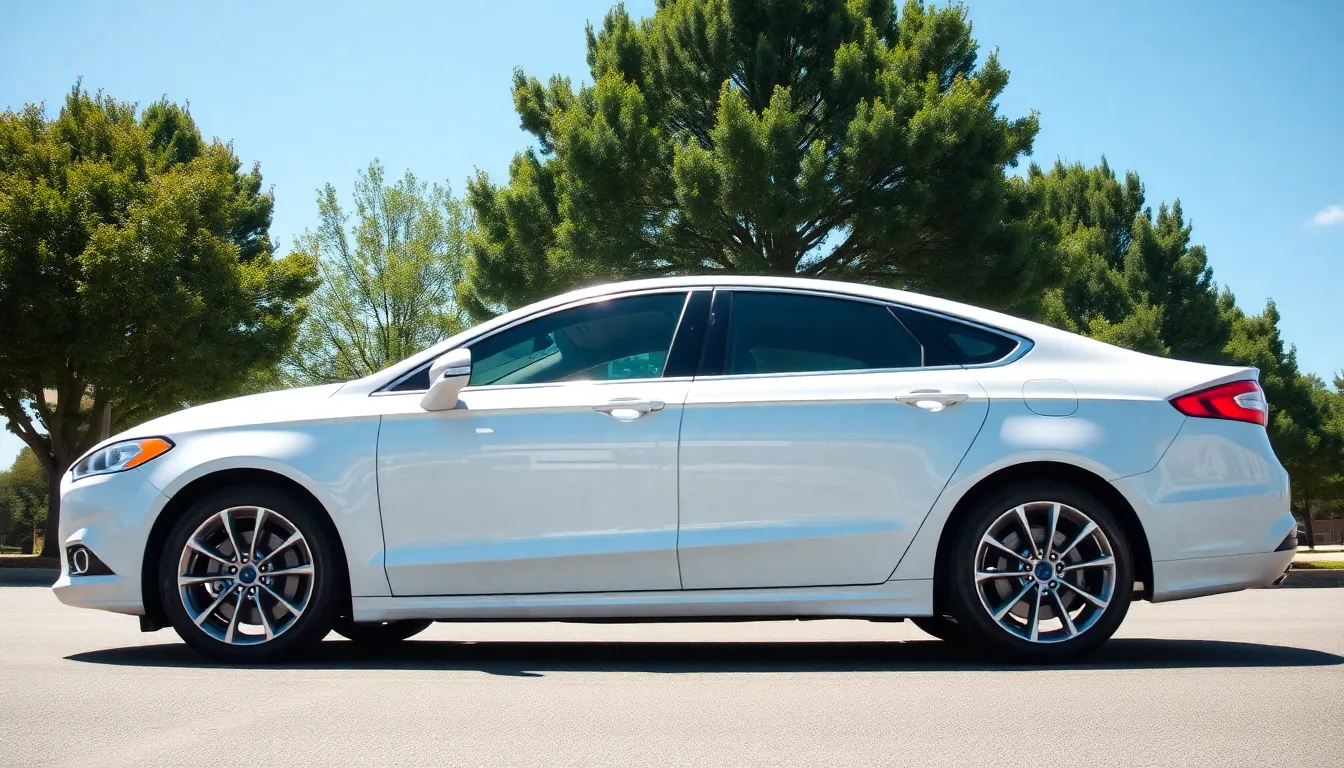
Looking for the right 2017 Ford Fusion tire size? Getting the perfect fit for your sedan isn’t just about performance—it’s about safety and longevity too.
The 2017 Ford Fusion comes equipped with different tire specifications depending on your exact trim level and wheel package. Whether you’re replacing worn tires or upgrading to a different style, knowing the exact tire dimensions for your particular model is crucial. With the right information, you’ll ensure proper handling, fuel efficiency, and prevent premature wear on your vehicle’s suspension components.
Understanding 2017 Ford Fusion Tire Sizes
The 2017 Ford Fusion comes equipped with different tire sizes depending on the trim level and wheel package. Tire size information is typically found on the driver’s door jamb sticker or in your owner’s manual. Each tire size consists of a combination of letters and numbers that provide crucial information about its dimensions and specifications.
A standard 2017 Ford Fusion tire size looks like “P215/60R16” or “P235/45R18” – but what do these numbers actually mean? The first letter “P” indicates it’s a passenger vehicle tire. The first number (215 or 235) represents the tire width in millimeters. Following that, the second number (60 or 45) is the aspect ratio, showing the tire’s height as a percentage of its width. The “R” stands for radial construction, and the final number (16 or 18) indicates the wheel diameter in inches.
Ford designed the 2017 Fusion with various wheel and tire combinations across different trim levels. Base models typically feature 16-inch wheels with P215/60R16 tires, while higher trims like the Titanium and Sport may come with 17-inch, 18-inch, or even 19-inch wheels, requiring different tire specifications. Understanding these distinctions helps you make informed decisions when replacing tires or upgrading your wheels.
Factory Tire Specifications for the 2017 Ford Fusion
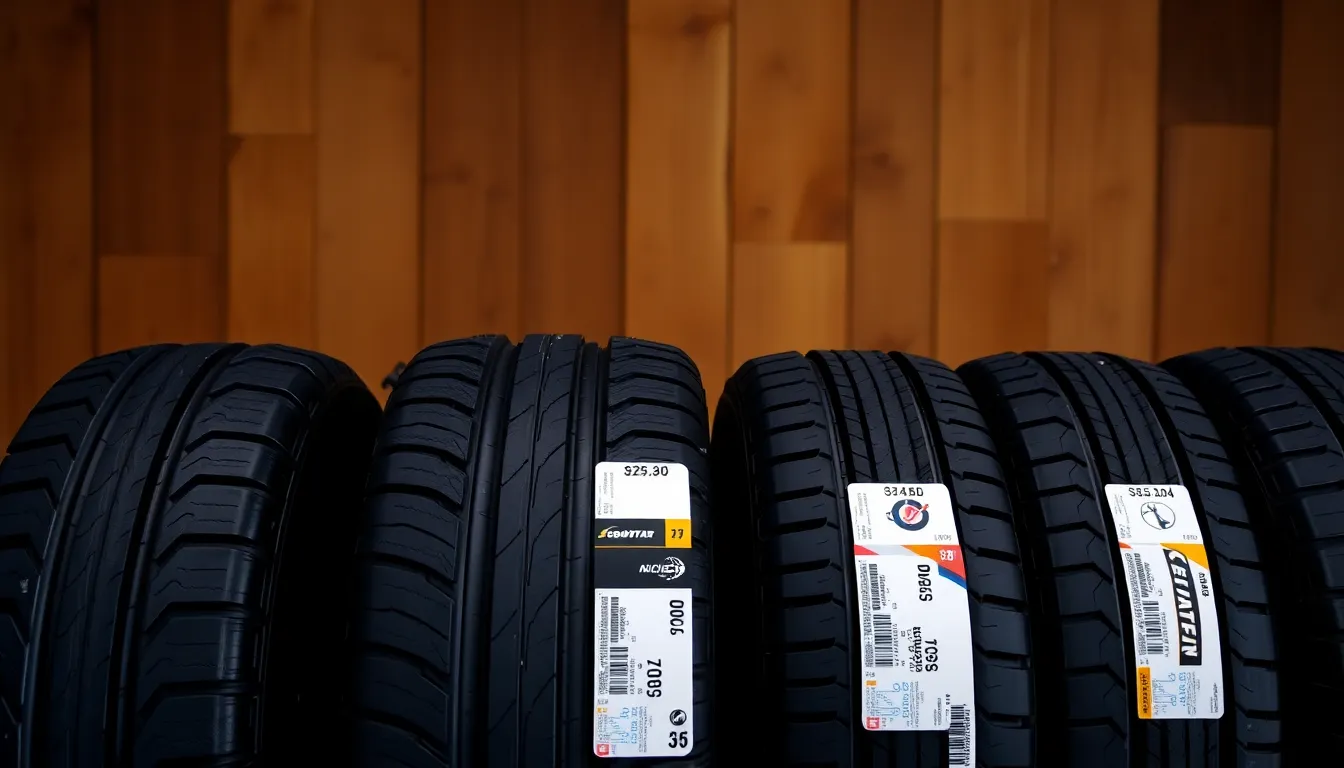
The 2017 Ford Fusion features exact tire sizes that vary across its diverse trim lineup. Each configuration comes with carefully selected tire dimensions to optimize performance, handling, and comfort for that particular model variant.
Standard Tire Sizes by Trim Level
The 2017 Ford Fusion offers multiple tire size options depending on your exact trim level. Base S models come standard with 215/60R16 tires, with 235/50R17 available for models equipped with the Appearance Package. SE trims typically feature 235/50R17 tires, though 235/45R18 options exist for upgraded wheel packages. Hybrid variants use slightly different specifications, with the S Hybrid utilizing 225/50R17 tires and the SE Hybrid offering both 225/50R17 and 235/45R18 options. Premium trims receive larger wheels, with the Titanium sporting 235/45R18 or 235/40R19 tires, while the Sport and Platinum models exclusively use 235/40R19 tires. Energi plug-in hybrid versions (SE, Titanium, and Platinum) share common tire specifications of 225/50R17 or 235/45R18 depending on the selected wheel package.
| Trim Level | Tire Size |
|---|---|
| S | 215/60R16, 235/50R17 |
| SE | 235/50R17, 235/45R18 |
| SE Hybrid | 225/50R17, 235/45R18 |
| S Hybrid | 225/50R17 |
| Titanium | 235/45R18, 235/40R19 |
| Titanium Hybrid | 235/45R18 |
| Sport | 235/40R19 |
| Platinum | 235/40R19 |
| Platinum Hybrid | 235/45R18 |
| Energi SE | 225/50R17, 235/45R18 |
| Energi Titanium | 225/50R17, 235/45R18 |
| Energi Platinum | 225/50R17, 235/45R18 |
OEM Tire Brands and Models
Ford partners with several premium tire manufacturers to equip the 2017 Fusion with high-quality original equipment tires. Goodyear, Michelin, and Continental rank among the most commonly used brands across different trim levels and regions. These manufacturers provide tires specifically engineered to complement the Fusion’s handling characteristics, comfort requirements, and performance targets. Regional variations exist in OEM tire selection, meaning identical trim levels might come equipped with different tire brands depending on the manufacturing location and market destination. Ford selects these exact tire models after extensive testing to ensure they meet stringent requirements for wet and dry traction, road noise, ride comfort, and longevity.
How to Read Your Ford Fusion Tire Size Information
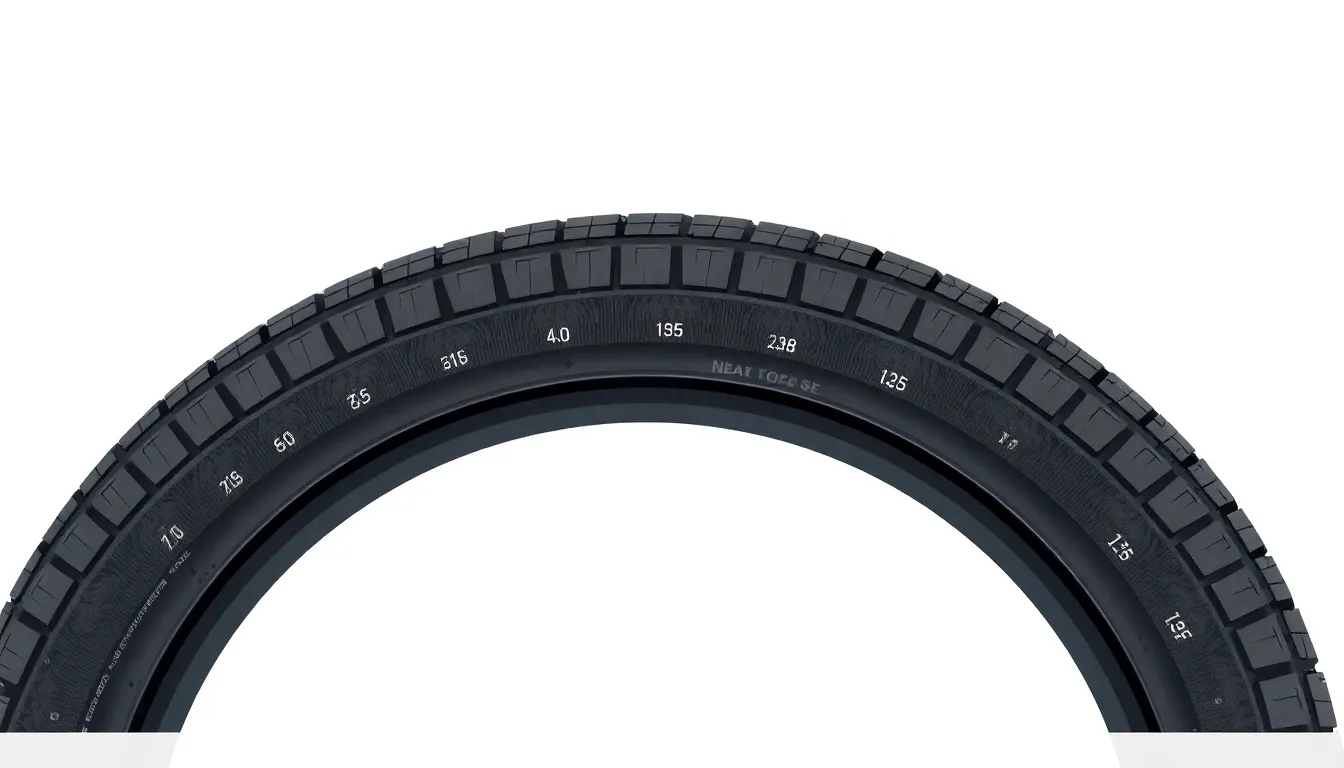
Understanding how to read tire size information is essential for maintaining your 2017 Ford Fusion properly. Tire markings contain valuable data about dimensions and specifications that help you choose the right replacement tires.
Decoding the Tire Sidewall Markings
Tire sidewalls display a standardized code that reveals important specifications about your Ford Fusion tires. For example, in a common Fusion tire size like “235/45R18,” each component represents exact information. The first number “235” indicates the tire width in millimeters measured from sidewall to sidewall. Following the slash, “45” represents the aspect ratio, showing that the tire’s height is 45% of its width. The letter “R” signifies radial construction, which is the standard for modern passenger vehicles. Finally, “18” refers to the wheel diameter in inches that the tire is designed to fit.
These markings appear on every tire and match the specifications listed on your Fusion’s driver’s door jamb sticker. Many 2017 Fusion owners appreciate the clarity of this standardized system when shopping for replacement tires. Knowing these numbers eliminates guesswork when selecting new tires and ensures compatibility with your exact Fusion trim, whether it’s an S model with 215/60R16 tires or a Sport trim equipped with larger 235/40R19 tires.
Upgrading Your 2017 Ford Fusion Tires
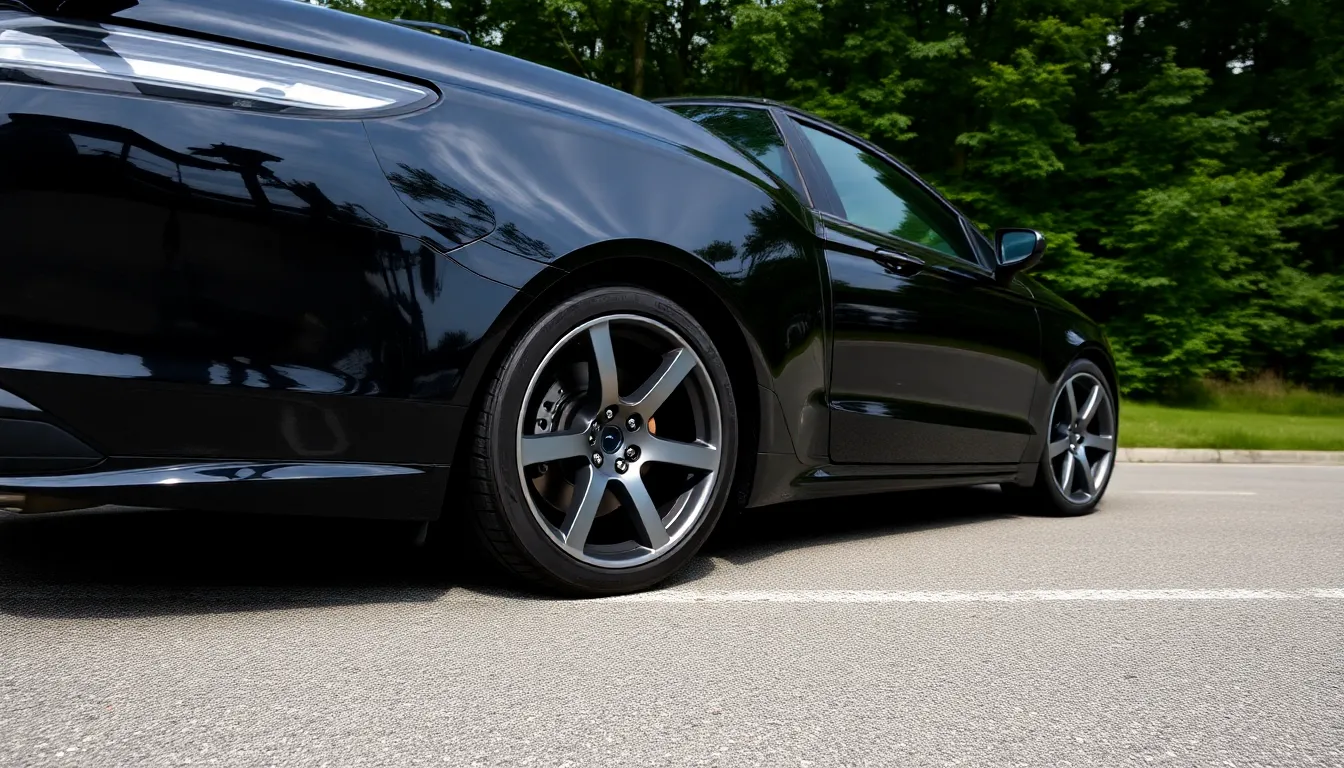
Upgrading your 2017 Ford Fusion tires requires careful consideration of rim compatibility and maintaining proper overall diameter. Selecting the right tire upgrade enhances your vehicle’s performance while ensuring essential systems like the speedometer remain accurate. Most successful upgrades stay close to the original specifications unless you’re also changing the rim size.
Compatible Alternative Tire Sizes
Several alternative tire sizes work well with the 2017 Ford Fusion depending on your current configuration. Owners with the base 215/60R16 tires can upgrade to 225/50R17 or 235/45R18 for a sportier appearance with larger wheels. The 225/50R17 stock size (common on hybrid trims) allows for upgrades to 235/45R18 or 235/40R19, improving both handling and aesthetics. Sport models equipped with 235/40R19 tires sometimes benefit from switching to 235/45R18 tires, which provide a slightly taller sidewall for improved comfort without sacrificing much performance. Each upgrade path maintains similar overall diameter to prevent speedometer inaccuracies and preserve proper vehicle dynamics.
Performance vs. All-Season Options
Performance tires typically come in lower profile configurations like 235/40R19, making them ideal for Sport and Titanium trims. These tires deliver superior grip, handling precision, and cornering ability compared to standard options. Their specialized rubber compounds and tread patterns enhance the driving experience but often result in a stiffer ride, faster wear rates, and reduced performance in wet conditions.
All-season tires in sizes like 225/50R17 or 235/50R17 dominate the non-sport trims and hybrid versions for good reason. They provide balanced performance characteristics suitable for everyday driving scenarios. The moderate tread depth and versatile rubber compounds offer longer tread life, better wet-weather traction, and acceptable performance across various temperature ranges. Many Fusion owners appreciate the practical benefits of all-season options, including reduced road noise and improved fuel efficiency during daily commuting.
Your driving habits and local climate should guide your choice between performance-focused or all-season tires. Performance-oriented drivers benefit from the enhanced grip and responsiveness of sport tires, while those prioritizing comfort, longevity, and year-round usability find all-season options more suitable for their needs.
Seasonal Tire Considerations for the Ford Fusion

The 2017 Ford Fusion requires different tire types to optimize performance throughout changing seasons. Selecting the right seasonal tires enhances safety, handling, and fuel efficiency while extending tire life.
Winter Tire Recommendations
Winter tires are essential for 2017 Ford Fusion owners who frequently drive in snowy or icy conditions. Dedicated winter tires offer superior traction on cold, slippery surfaces compared to all-season alternatives. Top winter tire options include Michelin Pilot Alpin, Continental WinterContact, and Nokian Hakkapeliitta, all specifically engineered with tread patterns and rubber compounds that maintain flexibility in freezing temperatures. These specialized tires provide crucial grip for your Fusion when temperatures drop below 45°F, significantly improving braking distances and cornering stability on snow-covered roads.
Summer and All-Season Options
Summer tires deliver optimal performance for your Ford Fusion during warm weather conditions. Continental ContiSportContact and Michelin Pilot Sport tires offer exceptional handling characteristics, providing responsive steering and superior grip on dry and wet summer roads. These performance-focused options maximize your Fusion’s driving dynamics during the warmer months.
All-season tires present a versatile alternative for Ford Fusion owners who experience moderate climate variations. Bridgestone Ecopia EP422 Plus and Pirelli Cinturato P7 All Season Plus 2 strike an effective balance between performance, durability, and comfort across various weather conditions. These tires feature tread patterns designed to handle light snow while still performing admirably in rain and on dry pavement, making them practical choices for daily driving in regions without extreme winter conditions.
Maintaining Proper Tire Pressure and Rotation

Proper tire pressure for the 2017 Ford Fusion directly impacts your vehicle’s performance, fuel efficiency, and tire longevity. The manufacturer’s recommended pressure ranges from 30 to 35 psi, depending on your exact trim and tire size. You’ll find these exact specifications on the driver’s side door placard—a crucial reference point for maintaining optimal tire performance.
Regular rotation is essential for even tread wear across all four tires. Ford recommends rotating your Fusion’s tires every 5,000 to 7,500 miles, following the pattern specified in your owner’s manual. This consistent maintenance schedule extends tire life and preserves handling characteristics that keep your Fusion responsive on the road.
Monthly tire inspections should become part of your routine vehicle maintenance. Check tire pressure when tires are cold for the most accurate readings, and always verify tread depth is above the minimum safe threshold of 2/32 inch. Additional inspections before long trips provide peace of mind and help avoid unexpected issues during travel.
Alignment checks are necessary whenever you notice uneven tire wear patterns or pulling to one side while driving. Your Fusion’s tire loading capacity must never exceed the maximum rating stated on the tire sidewall or in your vehicle documentation. Following these maintenance guidelines ensures your 2017 Ford Fusion maintains optimal handling, braking performance, and fuel economy throughout your ownership experience.
Conclusion
Finding the right tire size for your 2017 Ford Fusion isn’t just about fitment—it’s about maximizing your vehicle’s performance safety and efficiency. Whether you’re sticking with the factory specifications or considering an upgrade your tire choice significantly impacts your driving experience.
Remember that proper maintenance including regular pressure checks and rotations will extend the life of your tires regardless of which size or type you select. By understanding your Fusion’s exact tire requirements you’ll make informed decisions when it’s time for replacement.
Armed with the knowledge of your vehicle’s trim-exact tire sizing you can confidently shop for replacements that deliver the perfect balance of performance comfort and longevity for your driving needs.
Frequently Asked Questions
What are the standard tire sizes for the 2017 Ford Fusion?
The 2017 Ford Fusion comes with different tire sizes based on trim level. Base S models use 215/60R16 tires, SE trims typically have 235/50R17 tires, and Titanium models feature either 235/45R18 or 235/40R19 tires. Hybrid variants have their own specifications. You can find your specific tire size on the driver’s door jamb sticker or in your owner’s manual.
How do I read the tire size on my Ford Fusion?
Tire sizes like “235/45R18” follow a standard format. The first number (235) is the width in millimeters, the second number (45) is the aspect ratio (sidewall height as a percentage of width), the letter “R” indicates radial construction, and the final number (18) is the wheel diameter in inches. This information helps you select compatible replacement tires.
Can I upgrade to a different tire size on my 2017 Fusion?
Yes, but maintain proper overall diameter for accurate speedometer readings. Popular upgrades include going from 215/60R16 to 225/50R17 or 235/45R18 for a sportier look. Always verify rim compatibility and consult with a tire professional to ensure the new size won’t interfere with your vehicle’s suspension components or wheel wells.
What type of tires should I choose for my Ford Fusion?
Consider your driving habits and local climate. Performance tires offer superior grip and handling but may provide a stiffer ride. All-season tires deliver balanced performance and longevity for everyday driving. If you experience snowy winters, consider dedicated winter tires like Michelin Pilot Alpin or Continental WinterContact for optimal cold-weather traction.
What is the recommended tire pressure for a 2017 Ford Fusion?
The recommended tire pressure ranges from 30 to 35 psi depending on your specific trim level and tire size. You can find the exact pressure requirements on the driver’s side door jamb placard. Maintaining proper tire pressure is essential for optimal handling, fuel efficiency, and tire longevity.
How often should I rotate the tires on my Ford Fusion?
Rotate your tires every 5,000 to 7,500 miles to ensure even tread wear. Regular monthly tire inspections should be part of your routine maintenance. If you notice uneven wear patterns, schedule an alignment check. Following these maintenance guidelines will optimize handling, braking performance, and fuel economy throughout your ownership experience.
What brands of tires came factory-installed on the 2017 Ford Fusion?
Ford partners with premium tire manufacturers including Goodyear, Michelin, and Continental for the 2017 Fusion. The specific OEM (Original Equipment Manufacturer) tire brands may vary based on manufacturing location and market destination, even for identical trim levels. These factory-installed tires are specifically selected to balance the Fusion’s performance and comfort needs.
Will using the wrong tire size affect my Ford Fusion’s performance?
Yes, using incorrect tire sizes can significantly impact performance, safety, and component longevity. Improper sizing can affect handling, fuel efficiency, speedometer accuracy, and cause premature wear on suspension components. Always use tires that match your vehicle’s specifications or consult with a professional before changing sizes.