
Wondering about the correct 2015 Ford Fusion tire size for your vehicle? Finding the right tires isn’t just about fit—it’s about optimizing your car’s performance, safety, and fuel efficiency.
Your Ford Fusion’s tire size depends on which trim level you own, with options ranging from 16-inch wheels on the S model to 19-inch wheels on premium trims. Using the manufacturer-recommended tire specifications ensures proper handling and prevents issues with your vehicle’s systems. Whether you’re replacing worn tires or upgrading for better performance, understanding your Fusion’s exact requirements is essential for making the right choice.
Understanding the 2015 Ford Fusion Tire Size Specifications
The 2015 Ford Fusion offers multiple tire size specifications across its lineup, customized to each trim level’s performance requirements. Factory tire sizes for this model range from P215/60R16 for the base S trim to P235/40R19 for the premium Sport and Titanium trims. These specifications are carefully calibrated by Ford engineers to optimize the vehicle’s handling characteristics and comfort level.
Tire size codes contain critical information about dimensions and capabilities. For example, in P235/40R19, “P” indicates a passenger vehicle tire, “235” represents the width in millimeters, “40” is the aspect ratio (sidewall height as a percentage of width), “R” signals radial construction, and “19” specifies the wheel diameter in inches.
Standard tire sizes for each 2015 Fusion trim level include:
| Trim Level | Standard Tire Size |
|---|---|
| S | P215/60R16 |
| SE | P225/50R17 |
| Titanium | P235/45R18 |
| Sport/Premium | P235/40R19 |
Load index and speed ratings also appear on your Fusion’s tires, typically expressed as numbers and letters following the size (like “94V”). These ratings indicate the maximum weight each tire can support and the top speed rating they’re designed to handle safely. Most 2015 Fusion models use tires with load indexes between 91-99 and speed ratings of H (130 mph) or V (149 mph).
Maintaining proper inflation pressures complements these size specifications. Ford recommends pressures between 32-36 PSI for most 2015 Fusion models, though exact requirements vary by trim level and are listed on the driver’s door jamb sticker.
“I switched from the factory 17-inch wheels to the 18-inch option on my Fusion SE,” shared Liam Kohn, “and immediately noticed improved cornering stability without sacrificing too much ride comfort on my daily commute.”
Seasonal considerations might prompt you to explore winter or all-season options while maintaining the correct specifications. Winter tires for the Fusion often feature deeper treads and specialized rubber compounds to enhance traction in cold conditions while preserving the critical dimensional relationships engineered into the vehicle.
OEM Tire Sizes for Different 2015 Ford Fusion Trim Levels
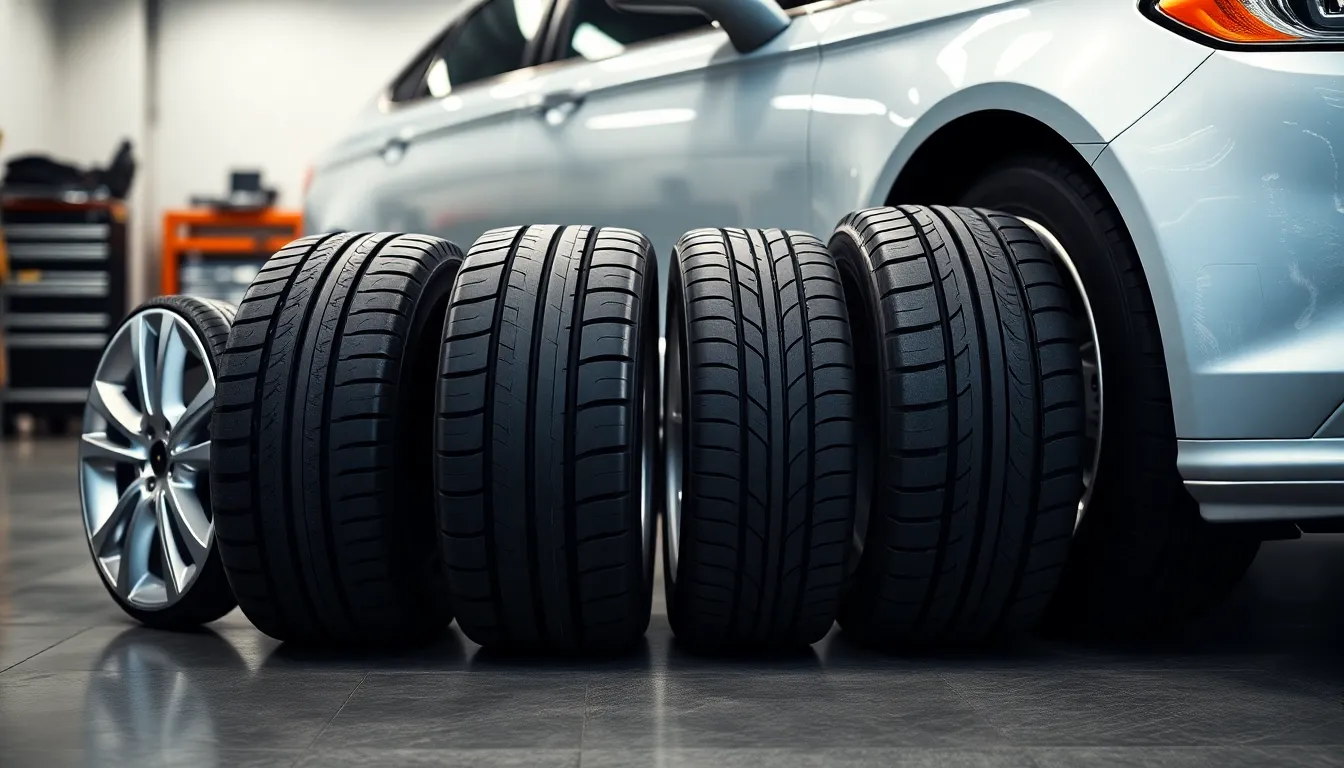
The 2015 Ford Fusion offers various OEM tire sizes across its different trim levels, each carefully selected to match the performance characteristics of that exact model. These factory-fitted tire specifications ensure optimal handling, fuel efficiency, and safety for your vehicle.
S and SE Models Tire Specifications
The base S model of the 2015 Ford Fusion comes standard with 215/60R16 tires, providing a good balance of comfort and fuel economy for daily driving. These 16-inch wheels offer a larger sidewall that absorbs road imperfections more effectively than lower-profile options.
For the SE model, Ford provides more tire options to match its enhanced performance capabilities. Your SE might be equipped with either 235/50R17 or 235/45R18 tires, depending on the exact package or configuration you selected. The 17-inch option delivers a nice balance between comfort and handling, while the 18-inch wheels offer improved cornering stability and a more sporty appearance.
Titanium and Hybrid Models Tire Specifications
The premium Titanium trim enhances the Fusion’s driving dynamics with larger wheel options. Your Titanium model comes fitted with either 235/45R18 tires as standard equipment or optional 235/40R19 tires if you’ve selected a exact package or wheel upgrade. These larger wheels with lower-profile tires provide sharper steering response and better road grip during cornering.
Hybrid models feature specially selected tires to complement their fuel-efficient powertrains. Most Fusion Hybrid models roll on 225/50R17 tires, though some configurations offer 235/45R18 tires as an option. The Energi plug-in hybrid variant consistently uses 225/50R17 tires across all its packages, including the Energi Titanium trim level.
| Trim Level | OEM Tire Size(s) |
|---|---|
| S | 215/60R16 |
| SE | 235/50R17, 235/45R18 |
| Titanium | 235/45R18, 235/40R19 |
| Hybrid | 225/50R17, 235/45R18 |
| Energi | 225/50R17 |
How to Read Your 2015 Ford Fusion Tire Size Information
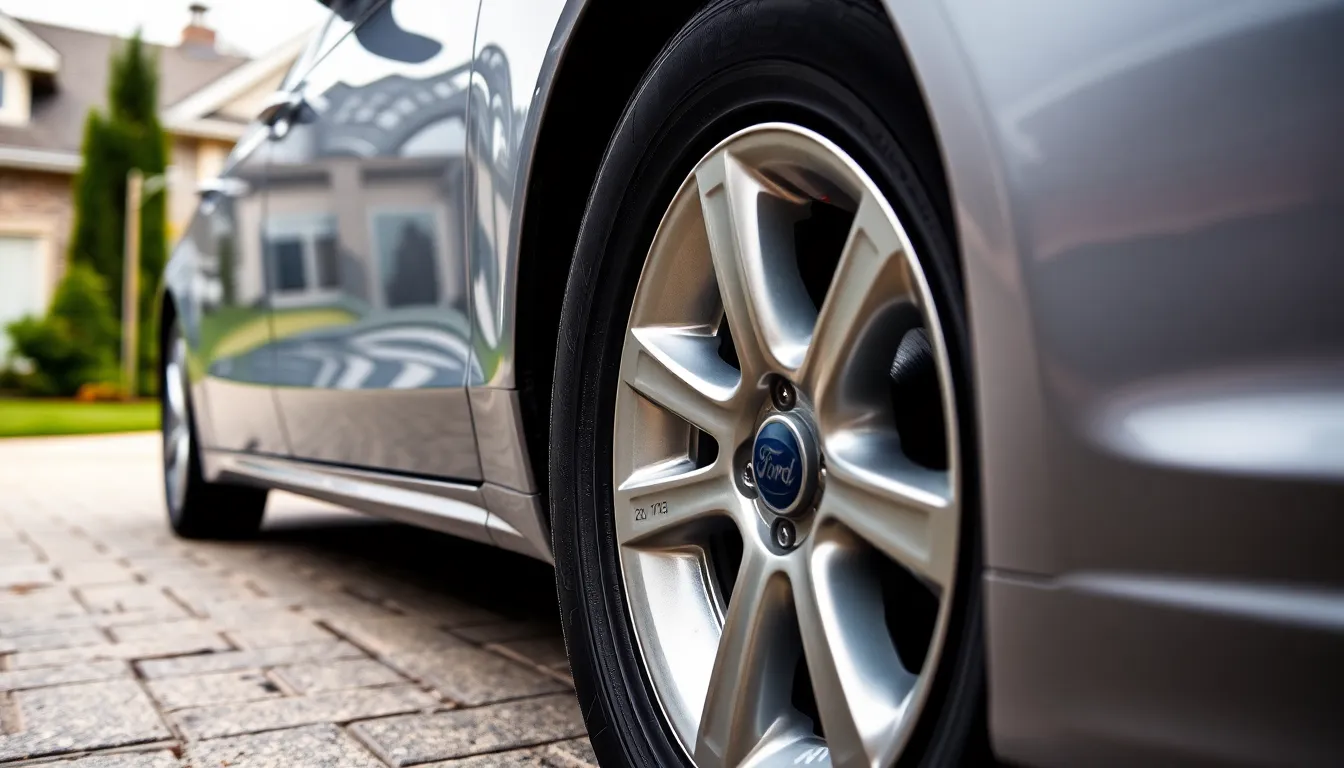
Understanding how to read tire size information helps you make informed decisions when replacing tires on your 2015 Ford Fusion. The manufacturer provides this crucial information in two main locations on your vehicle.
Decoding the Sidewall Markings
Tire size markings on your 2015 Ford Fusion follow a standardized format like 225/50R17. Each segment of this code conveys exact information about your tire’s dimensions and construction. The first number (225) indicates the tire width in millimeters across the tread. Following the slash, the aspect ratio (50) represents the tire’s sidewall height as a percentage of its width – in this case, the sidewall is 50% as tall as the tire is wide. The letter “R” stands for radial construction, the most common tire type in modern vehicles. The final number (17) specifies the wheel diameter in inches that the tire fits. Additional markings include the load index and speed rating (such as 96H), which indicate the maximum weight capacity and speed capability of your tire. These specifications ensure your Fusion maintains proper handling characteristics and safety performance.
Finding Tire Size on the Door Jamb Sticker
The driver’s side door jamb of your 2015 Ford Fusion features a sticker with accurate tire size information exact to your vehicle’s trim and configuration. This factory-installed label provides the manufacturer’s recommended tire specifications and optimal tire pressure values for both front and rear tires. Ford includes this information to help you maintain your vehicle’s intended performance characteristics. The sticker remains the most reliable source for determining the correct OEM tire specifications, especially if your Fusion has had wheel or tire modifications since leaving the factory. Looking at this sticker before purchasing new tires ensures you’re getting the exact specifications engineered for your particular Fusion model, whether it’s the base S trim with 215/60R16 tires or the premium Titanium with 235/45R18 or 235/40R19 options.
Recommended Replacement Tires for the 2015 Ford Fusion
The 2015 Ford Fusion accommodates various tire sizes based on trim level, making replacement selection straightforward when you understand your exact model requirements. Matching the original equipment specifications ensures optimal performance and safety for your vehicle.
All-Season Options
All-season tires provide balanced traction in various weather conditions, making them ideal for daily driving in most climates. For the 2015 Fusion S trim, 215/60R16 tires deliver reliable performance and comfort with excellent fuel economy. Fusion SE and Hybrid models benefit from 225/50R17 or 235/50R17 sizes, offering a good balance between ride comfort and handling. These versatile options maintain grip on dry, wet, and light snow surfaces while typically lasting longer than performance-oriented alternatives.
Performance Tire Alternatives
Performance tires enhance handling dynamics and responsiveness, particularly for Fusion SE and Titanium trims equipped with 18- or 19-inch wheels. The 235/45R18 size fits perfectly on SE and Titanium models, providing sharper cornering and more direct steering feedback. Titanium models with the optional 235/40R19 size gain sportier handling characteristics with maximized grip during aggressive driving maneuvers. Performance options typically trade some ride comfort and tread life for increased traction and improved road feel, making them suitable for drivers who prioritize ever-changing handling over other considerations.
Effects of Tire Size Changes on Your 2015 Ford Fusion
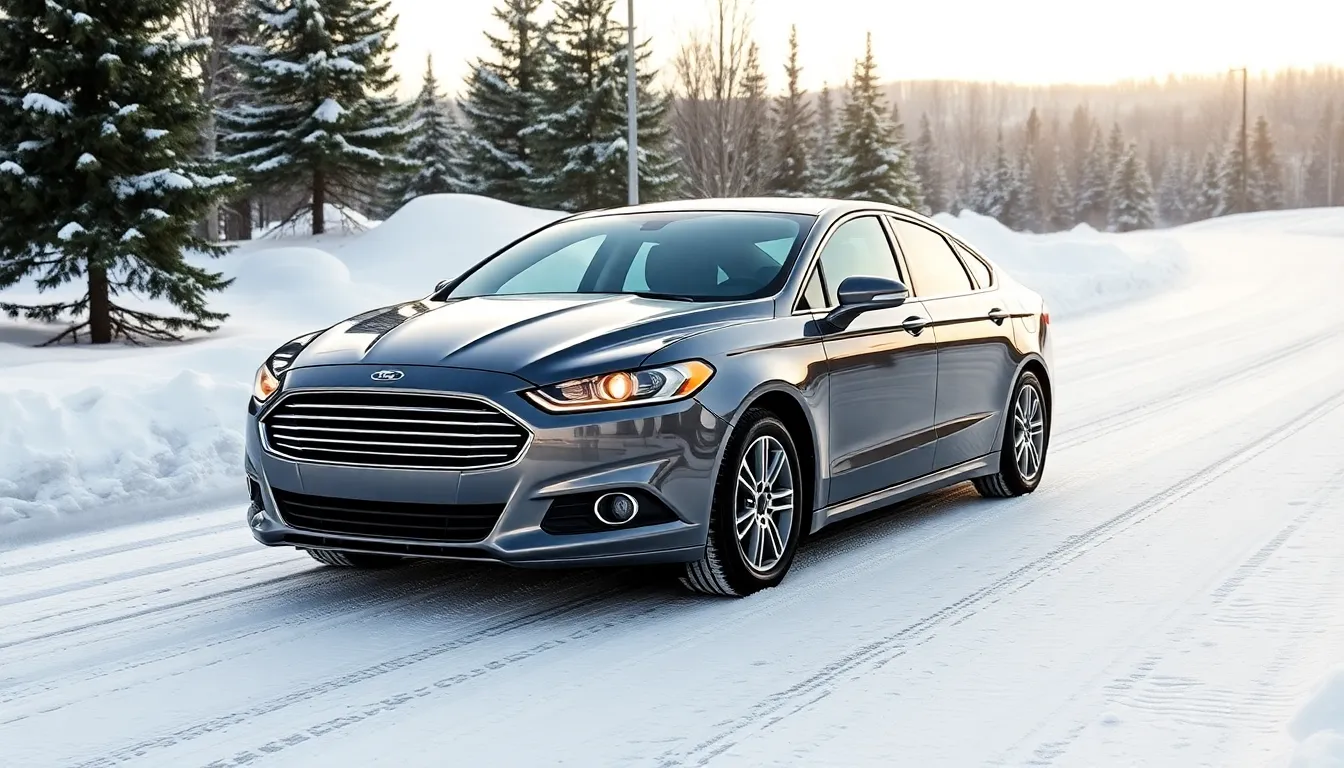
Tire size modifications significantly impact your 2015 Ford Fusion’s performance characteristics and driving experience. Changing from the factory specifications alters several key aspects of your vehicle’s behavior, including ride comfort, handling dynamics, speedometer accuracy, and fuel consumption.
Benefits and Drawbacks of Upsizing
Upsizing tires on your Ford Fusion offers distinct advantages alongside some notable compromises. Wider tires create a larger contact patch with the road, improving grip during cornering and improving overall handling precision. Your Fusion’s appearance also benefits from larger wheels, giving it a more aggressive, sporty stance that many drivers prefer. Braking distances can improve on dry surfaces due to the increased rubber meeting the road.
These benefits come with tradeoffs you’ll need to consider. Ride comfort typically decreases as sidewalls become stiffer and shorter, transmitting more road imperfections into the cabin. Your suspension components face additional stress from the increased unsprung weight, potentially leading to faster wear of bushings, ball joints, and other parts. Fuel economy often drops by 1-2 mpg due to increased rolling resistance and weight. The cost factor is important too – larger tires generally command premium prices, sometimes 15-30% more than standard sizes. Clearance issues may arise with extremely large sizes, causing tires to rub against wheel wells during full suspension compression or sharp turns.
Winter Tire Considerations
Winter conditions demand special attention to tire selection for your 2015 Ford Fusion. Downsizing to a smaller diameter with taller sidewalls provides crucial advantages in cold weather driving. The 215/60R16 size (standard on the S trim) often works excellently as a winter option even for Fusions that came with larger wheels.
Taller sidewalls offer better cushioning when encountering ice chunks, potholes, and rough winter roads, protecting your wheels from damage. Your Fusion gains improved traction as winter tires with taller sidewalls can conform more effectively to snow-covered surfaces and icy patches. Narrower winter tires also perform better by concentrating weight over a smaller area, helping them cut through snow rather than floating on top of it.
Snow chains compatibility improves with smaller wheel diameters, giving you additional traction options during extreme winter conditions. The winter package approach provides financial benefits too – maintaining a separate set of winter wheels and tires extends the life of your premium wheels and summer/all-season tires, protecting them from corrosive road salt and harsh winter conditions.
Maintaining Proper Tire Pressure and Rotation for Your Fusion

Proper tire maintenance extends the life of your 2015 Ford Fusion tires and ensures optimal performance on the road. Regular pressure checks and rotation schedules protect your investment while maintaining safety standards.
Recommended Tire Pressure
Maintaining correct tire pressure in your 2015 Ford Fusion is essential for even wear patterns and fuel efficiency. The recommended pressure typically ranges between 32-36 PSI, though exact specifications are located on the driver’s door jamb sticker for your particular trim level. Checking tire pressure at least once a month helps prevent premature wear and compromised handling that occurs with over or under-inflated tires. Temperature changes affect pressure levels, with every 10°F change resulting in approximately 1 PSI difference in your tires.
Tire Rotation Schedule
Tire rotation every 5,000 to 7,500 miles prevents uneven wear caused by your Fusion’s weight distribution and driving habits. Front-wheel drive Fusion models experience more wear on the front tires due to steering and propulsion forces. Each rotation repositions your tires according to a exact pattern, either front-to-back or in a cross pattern depending on your particular drivetrain. Many owners coordinate their rotation schedule with oil changes to simplify maintenance tracking and ensure consistent performance.
Signs Your Tires Need Attention
Uneven tire wear indicates potential alignment issues or improper inflation in your 2015 Fusion. Vibrations felt through the steering wheel often signal tire imbalance that requires immediate correction. Tread depth below 4/32 inch compromises wet traction and indicates replacement is needed soon. Visible sidewall damage or bulges require immediate tire replacement regardless of remaining tread depth, as these structural issues pose serious safety risks during driving.
Conclusion
The right tire size for your 2015 Ford Fusion is crucial for optimal performance safety and longevity. Whether you own an S model with 16-inch wheels or a premium trim with 19-inch options staying within manufacturer specifications ensures your vehicle handles as designed.
Always consult your door jamb sticker for the correct tire information and maintain proper inflation between 32-36 PSI. Remember that upgrading or changing tire sizes impacts everything from fuel efficiency to ride comfort.
By understanding your exact trim requirements and following proper maintenance protocols you’ll maximize your Fusion’s performance while ensuring safety on the road. Regular rotations proper inflation and timely replacements will keep your Ford Fusion riding smoothly for years to come.
Frequently Asked Questions
What are the tire size options for a 2015 Ford Fusion?
The 2015 Ford Fusion offers different tire sizes based on trim level. The S model uses P215/60R16 tires, the SE model uses P225/50R17, the Titanium trim uses P235/45R18, and the Sport and Premium trims use P235/40R19 tires. Hybrid models typically use 225/50R17 tires, with some configurations offering 235/45R18, while the Energi plug-in hybrid uses 225/50R17 tires across all packages.
How do I find the correct tire size for my Ford Fusion?
Check the tire size sticker located on the driver’s side door jamb. This sticker provides the manufacturer’s recommended tire specifications and optimal tire pressure values. It’s the most reliable source for determining the correct OEM tire specifications, especially if modifications have been made to your vehicle since it left the factory.
What do the numbers in tire size specifications mean?
Tire size codes like P235/45R18 provide specific information. The first number (235) indicates tire width in millimeters. The second number (45) is the aspect ratio (sidewall height as a percentage of width). “R” means radial construction, and the last number (18) is the wheel diameter in inches. Additional markings indicate load index and speed rating.
Can I change my Ford Fusion’s tire size?
Yes, but with caution. Changing tire size can impact ride comfort, handling, speedometer accuracy, and fuel economy. Upsizing may improve grip and appearance but can decrease ride comfort and fuel efficiency. If changing sizes, ensure the overall diameter remains within 3% of the original specification to maintain proper vehicle function.
What is the recommended tire pressure for a 2015 Ford Fusion?
Ford recommends maintaining tire pressure between 32-36 PSI for the 2015 Fusion. Check pressure monthly and adjust as needed, especially during temperature changes (pressure drops approximately 1 PSI for every 10°F decrease). The exact recommended pressure for your specific model is listed on the driver’s door jamb sticker.
How often should I rotate my Ford Fusion’s tires?
Rotate your tires every 5,000 to 7,500 miles to prevent uneven wear, particularly important for front-wheel drive models like the Fusion. Regular rotation helps extend tire life and maintain consistent handling characteristics. Follow a proper rotation pattern (front to rear, side to side) for even tread wear.
Are winter tires necessary for the 2015 Ford Fusion?
Winter tires are recommended if you regularly drive in snowy or icy conditions. For winter use, consider downsizing to a smaller diameter wheel with taller sidewalls, which enhances traction, protects wheels from damage, and improves compatibility with snow chains. This approach also extends the life of your premium wheels and summer/all-season tires.
What are signs that I need to replace my Ford Fusion’s tires?
Look for uneven wear patterns, vibrations through the steering wheel, and tread depth below 4/32 inch (indicates replacement needed). Also check for visible sidewall damage or bulges, which require immediate replacement due to safety concerns. Regular inspections help identify these issues before they compromise safety or performance.