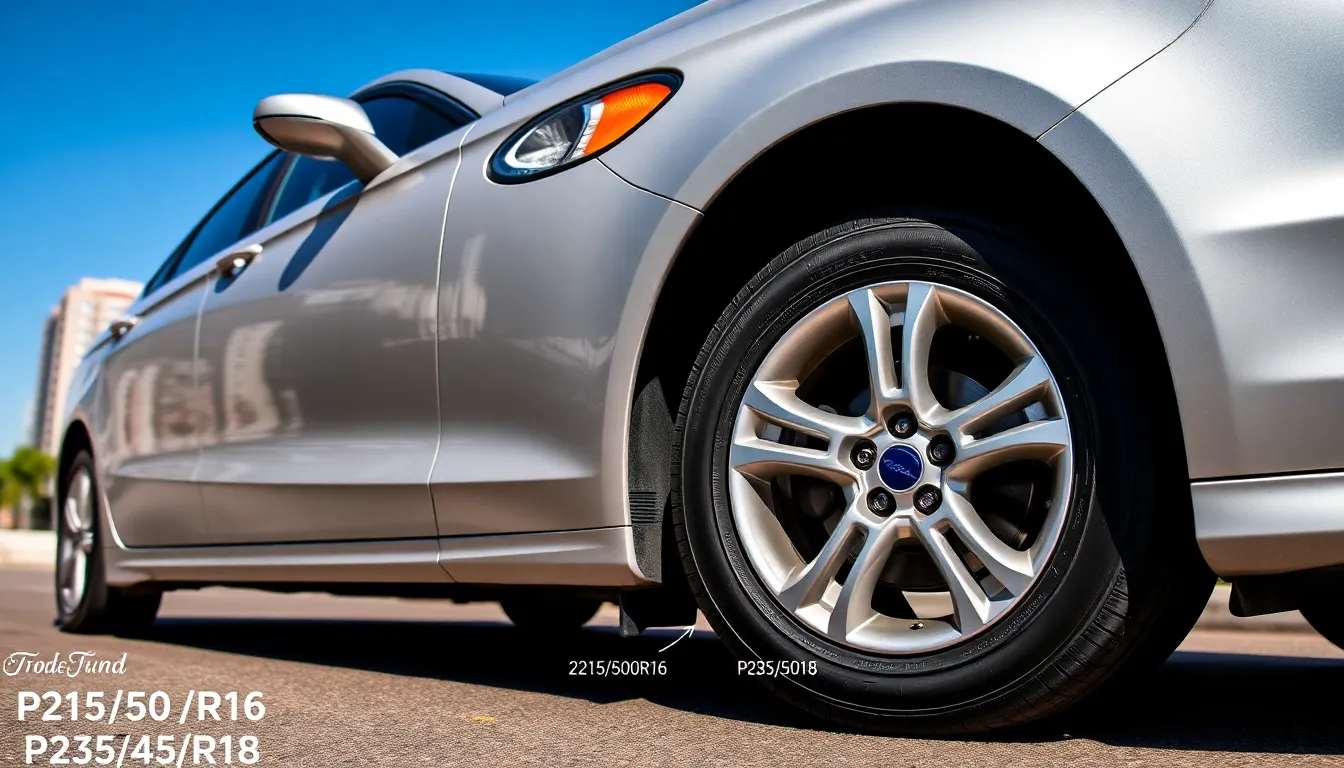
Looking for the right 2014 Ford Fusion tire size? Finding the perfect fit for your sedan isn’t just about aesthetics—it’s essential for safety, performance, and fuel efficiency.
The 2014 Ford Fusion comes equipped with different tire sizes depending on the trim level and wheel package you have. Whether you’re replacing worn tires or upgrading your wheels, knowing the correct specifications will save you time and potential headaches. Your Fusion might require P215/60R16, P235/50R17, or P235/45R18 tires, but determining which is right for your exact model is crucial before making a purchase.
Understanding Tire Sizes for the 2014 Ford Fusion
Tire size codes on your 2014 Ford Fusion contain crucial information about dimensions and specifications. Each part of the code serves a exact purpose – for example, in P235/50R17, “P” indicates it’s a passenger vehicle tire, “235” represents the width in millimeters, and “50” is the aspect ratio.
The “R” designates a radial construction, while “17” indicates the wheel diameter in inches. These specifications aren’t arbitrary; they’re carefully calculated to provide optimal performance for your exact Fusion model.
Ford designed different trim levels of the 2014 Fusion with varying tire sizes to match the intended driving experience. Base models typically use P215/60R16 tires, midrange trims often feature P235/50R17, and sport or luxury variants come equipped with P235/45R18 tires.
Reading the sidewall of your current tires gives you additional valuable information. Beyond the basic size code, you’ll find load index and speed rating symbols that indicate weight capacity and maximum safe speed. The DOT code reveals manufacturing details, while treadwear, traction, and temperature grades help you assess durability and performance characteristics.
Many Fusion owners don’t realize how significantly tire size affects driving dynamics. Larger diameter tires generally improve handling and cornering stability but might reduce comfort on rough roads. Smaller tires typically provide a smoother ride but may offer less responsive steering feel during spirited driving.
Factory OEM Tire Specifications for the 2014 Ford Fusion
The 2014 Ford Fusion features various tire sizes across different trim levels and model variants. Each specification was carefully selected by Ford engineers to optimize performance, handling, and efficiency for exact configurations of this popular midsize sedan.
Standard Tire Sizes by Trim Level
Factory tire sizes for the 2014 Ford Fusion vary significantly depending on which trim level you’ve purchased. The base S trim comes equipped with 215/60R16 tires, offering a balanced mix of comfort and economy. SE trim models step up to either 235/50R17 or 235/45R18 options, providing improved handling characteristics with their larger footprint. Titanium models feature premium 235/45R18 tires as standard, with optional 235/40R19 tires for those seeking enhanced cornering performance.
Hybrid variants received exact tire sizes to maximize fuel efficiency without compromising comfort. Hybrid S and Energi Titanium models use 225/50R17 tires, while the Hybrid SE offers both 225/50R17 and 235/45R18 options. Titanium Hybrid models come standard with 235/45R18 tires for a sportier driving experience while maintaining efficiency benefits.
| Trim / Version | Tire Sizes |
|---|---|
| S | 215/60R16 |
| SE | 235/50R17, 235/45R18 |
| Titanium | 235/45R18, 235/40R19 |
| Hybrid SE | 225/50R17, 235/45R18 |
| Hybrid S | 225/50R17 |
| Energi Titanium | 225/50R17 |
| Titanium Hybrid | 235/45R18 |
Tire Pressure Recommendations
Maintaining proper tire pressure in your 2014 Ford Fusion isn’t just about preventing premature wear—it directly impacts safety, handling, and fuel economy. Most Fusion models require between 32 psi and 35 psi for both front and rear tires, though exact specifications can vary based on tire size and vehicle load.
You’ll find the precise recommended pressure for your exact Fusion on the tire information label located on the driver’s door jamb. This placard provides the manufacturer’s exact specifications customized to your vehicle’s configuration. Hybrid and Energi models may have slightly different pressure recommendations to accommodate their unique tire sizes and weight distribution.
Checking your tire pressure monthly ensures optimal performance and longevity. Ford designed each Fusion variant with exact pressure requirements to balance ride comfort, handling response, and tire longevity—making proper inflation an essential part of maintaining your vehicle’s intended driving characteristics.
Recommended Replacement Tires for the 2014 Ford Fusion
Finding the right replacement tires for your 2014 Ford Fusion depends on your exact trim level and driving preferences. The correct tire choice enhances your vehicle’s performance, safety, and fuel efficiency while providing the ride quality you expect.
All-Season Tire Options
All-season tires deliver year-round usability with balanced performance in various weather conditions. For the 2014 Ford Fusion, several reliable options match the OEM specifications across different trim levels. Goodyear Eagle LS-2 tires work excellently for models equipped with 235/45R18 wheels, offering a comfortable ride and adequate wet traction. Continental ContiProContact tires provide exceptional versatility for daily driving scenarios, particularly in the 235/50R17 size that fits many SE models. These tires maintain grip in light snow, heavy rain, and dry pavement while contributing to the Fusion’s fuel efficiency. Drivers in moderate climate regions appreciate all-season options as they eliminate the need for seasonal tire changes and maintain consistent performance throughout changing weather patterns.
Performance Tire Choices
Performance tires enhance your Fusion’s handling capabilities, responsiveness, and grip during spirited driving. For sportier trims like the Titanium with 235/40R19 wheels, the Continental ContiProContact delivers improved cornering stability and high-speed performance without sacrificing too much ride comfort. Goodyear Eagle LS-2 in 235/45R18 size offers strong all-around performance with a sportier edge that complements the Fusion’s handling characteristics. Performance-oriented options typically feature stiffer sidewalls, specialized tread compounds, and patterns designed to maximize road contact during ever-changing driving maneuvers. Many Fusion enthusiasts opt for these tires to elevate their driving experience, particularly those who frequently navigate winding roads or enjoy a more captivating commute.
Upgrading Your 2014 Ford Fusion Tire Size

Upgrading your 2014 Ford Fusion’s tire size involves switching to larger wheel diameters or lower-profile tires to enhance both performance and appearance. Many Fusion owners opt for 18-inch or 19-inch wheels to achieve a sportier look and improved road feel compared to factory specifications. Before making any changes, check your owner’s manual or door jamb sticker for the original equipment specifications to ensure compatibility.
Benefits of Different Tire Sizes
Different tire sizes offer unique advantages that can transform your Fusion’s driving dynamics. Larger wheels paired with lower-profile tires provide noticeably sharper handling and a more aggressive stance that sets your vehicle apart from stock models. Width modifications also impact performance significantly—wider tires deliver enhanced grip in dry conditions, giving you more confidence during spirited driving. Narrower tires might be your better option if fuel efficiency and reduced road noise are priorities. Small changes in overall tire diameter can fine-tune your speedometer accuracy and adjust ride comfort to match your preferences.
Potential Issues with Size Changes
Tire size modifications come with potential complications that require careful consideration. Rubbing or fitment issues frequently occur when installing larger wheels or wider tires, as they may contact fenders or suspension components during turns or compression. Your vehicle’s electronic systems, including speedometer and ABS, might need recalibration with important changes in tire diameter to maintain proper functionality. Non-OE tire sizes can affect your vehicle warranty or insurance coverage, creating potential financial complications down the road. Verify compatibility with your exact Fusion configuration (S, SE, Hybrid/Energi, or Titanium trim) before purchasing new tires, and consult with a tire professional who understands the nuances of the 2014 Fusion’s suspension geometry and clearance limitations.
How to Read Your 2014 Ford Fusion Tire Size Information
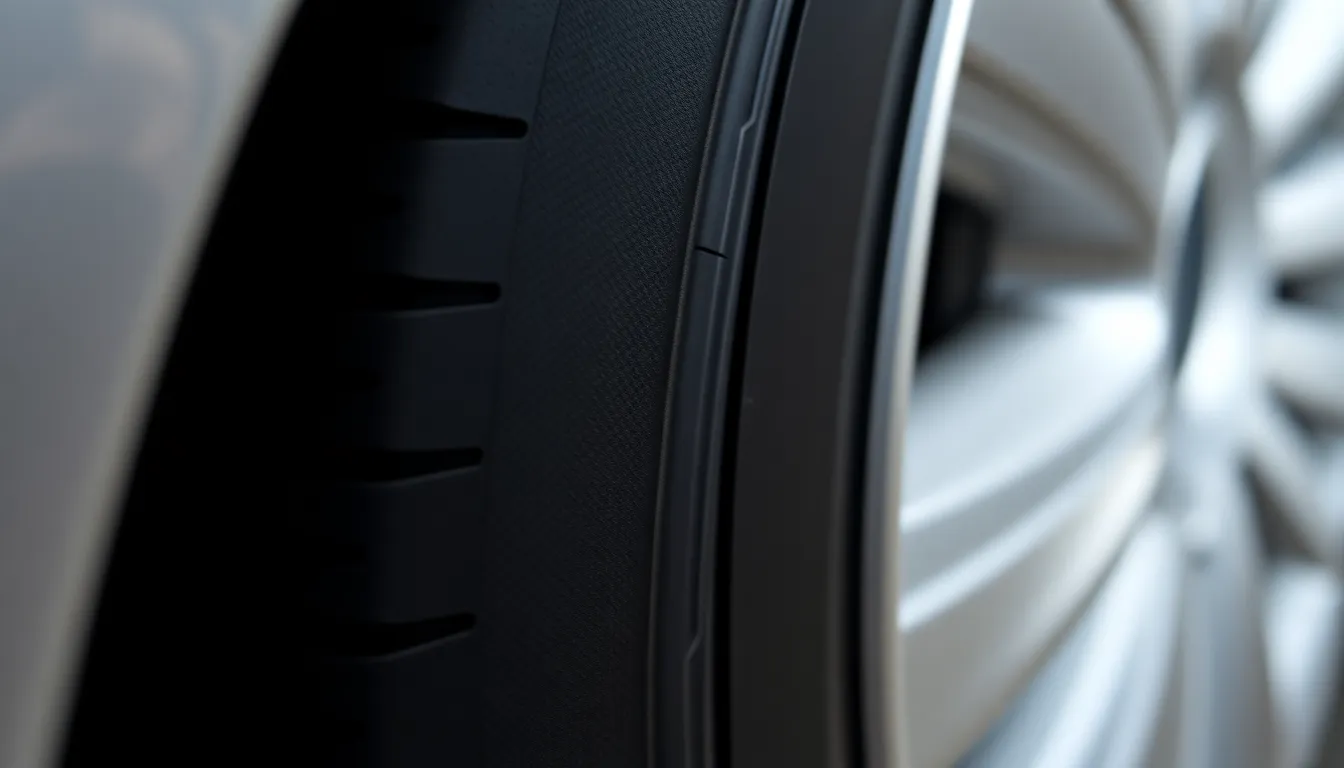
The tire size coding on your 2014 Ford Fusion conveys crucial specifications through a standardized format like 235/45R18. Breaking down this code reveals exact details about your tires:
- First number (235): Represents the tire width in millimeters from sidewall to sidewall
- Second number (45): Indicates the aspect ratio – the tire’s sidewall height as a percentage of its width (in this example, 45% of 235mm)
- Construction type (R): Stands for Radial construction, the standard for modern passenger vehicles
- Final number (18): Specifies the wheel diameter in inches that the tire fits
Each 2014 Ford Fusion trim comes with different factory tire specifications:
| Trim / Version | Tire Size(s) |
|---|---|
| S | 215/60R16 |
| SE | 235/50R17, 235/45R18 |
| SE Hybrid / S Hybrid | 225/50R17, 235/45R18 |
| Titanium | 235/45R18, 235/40R19 |
| Titanium Hybrid | 235/45R18 |
| Energi Titanium | 225/50R17 |
You’ll find your exact tire information in multiple locations. The driver’s door jamb features a tire information placard with manufacturer-recommended sizes and pressures. Your owner’s manual also contains complete tire specifications customized to your exact model.
Reading tire sidewall markings provides additional information beyond size. Load index numbers indicate maximum weight capacity, while speed ratings (letters like H, V, or W) show the maximum safe speed. Treadwear, traction, and temperature grades on the sidewall offer insights into durability and performance characteristics.
Knowing how to interpret these tire specifications ensures you’ll select appropriate replacements that maintain your Fusion’s handling, safety, and performance characteristics as designed by Ford.
Maintaining Proper Tire Care for Your Ford Fusion
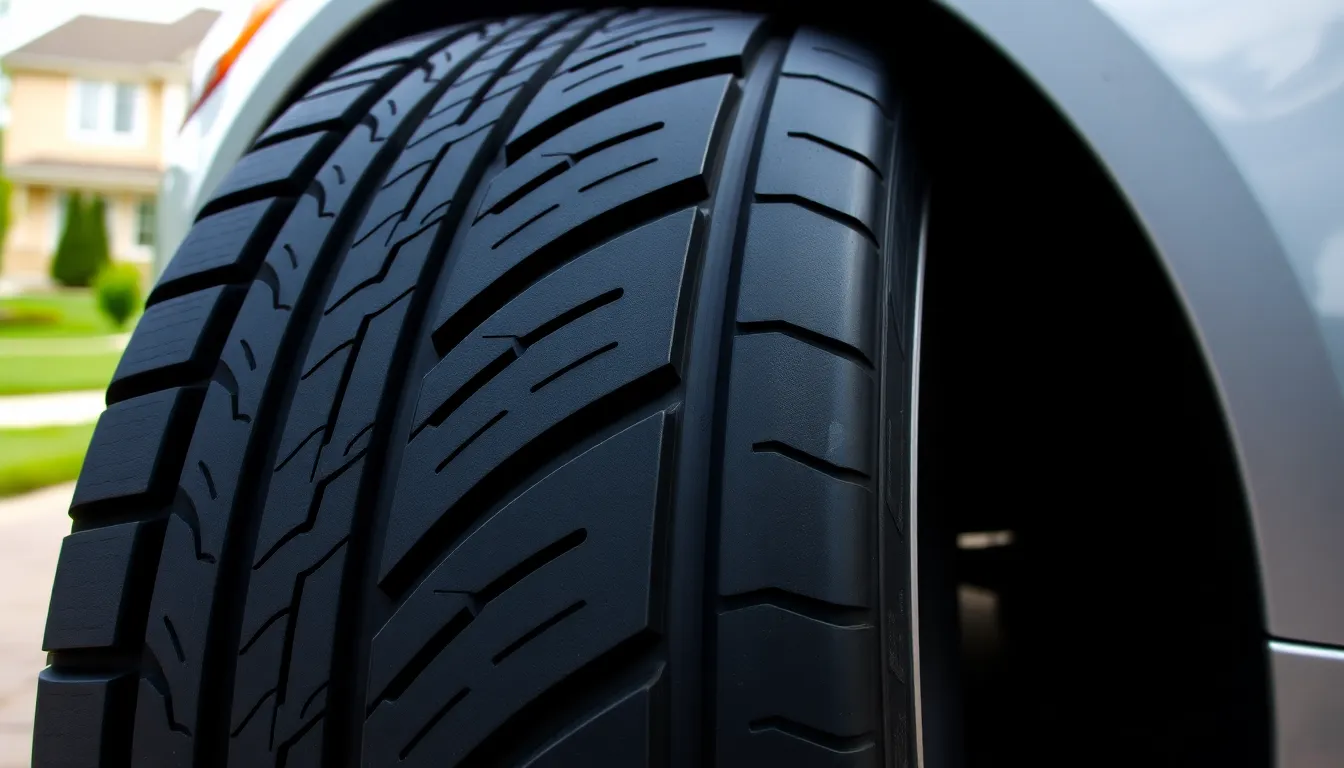
Regular maintenance ensures your 2014 Ford Fusion tires perform optimally and last longer. Checking tire pressure monthly helps maintain the manufacturer-recommended levels, typically around 32 psi for most Fusion models. Tire pressure information can be found on the driver’s side door jamb sticker for your exact trim level.
Rotation is essential for even tire wear across all four wheels. Your Fusion’s tires should be rotated every 5,000-8,000 miles to maximize their lifespan and maintain balanced handling characteristics. Front-wheel drive Fusions experience more wear on the front tires, making regular rotation particularly important.
Alignment checks prevent uneven wear patterns that compromise performance and safety. Indicators of misalignment include your Fusion pulling to one side or uneven tread wear across the tire surface. Professional alignment service is recommended annually or after hitting important potholes.
Tread depth monitoring helps determine when replacement is necessary. The minimum safe tread depth is 2/32 of an inch, easily checked with a penny test—if Lincoln’s head is visible when inserted upside down in the tread, it’s time for new tires. For optimal performance in various conditions, many Fusion owners replace tires when tread reaches 4/32 of an inch.
Seasonal considerations affect tire performance dramatically. All-season tires work well for most 2014 Fusion owners in moderate climates, while dedicated winter tires provide superior traction in snowy regions. SE and Titanium trims with 235/50R17 or 235/45R18 tires benefit from winter-exact options in cold-weather environments.
Visual inspections should become part of your routine maintenance. Examining sidewalls for bulges, cracks, or punctures helps identify potential failures before they cause dangerous situations. These issues require immediate attention regardless of the remaining tread life on your Fusion’s tires.
Conclusion
Choosing the right tire size for your 2014 Ford Fusion isn’t just about filling your wheel wells. It’s about maximizing your vehicle’s performance safety and efficiency. Whether you’re sticking with factory specifications or considering an upgrade understanding tire sizing codes and maintenance requirements is essential.
Your Fusion’s exact trim level determines the optimal tire size from the 16-inch options on base models to the performance-oriented 18 and 19-inch configurations on higher trims. Always consult your door jamb placard and owner’s manual before making any tire decisions.
Remember that proper tire maintenance including regular pressure checks rotations and alignments will extend tire life and enhance your driving experience. With the right tires properly maintained your Ford Fusion will deliver the balance of comfort handling and safety that Ford engineers intended.
Frequently Asked Questions
What tire sizes are available for the 2014 Ford Fusion?
The 2014 Ford Fusion comes with several tire sizes depending on trim level. The base S trim features 215/60R16 tires, SE models have either 235/50R17 or 235/45R18 options, Titanium models come with 235/45R18 tires (with an option for 235/40R19), and Hybrid variants use 225/50R17 for Hybrid S and Energi Titanium models.
How do I read the tire size code on my Ford Fusion?
The tire size code (like 235/45R18) breaks down as: 235 is the width in millimeters, 45 is the aspect ratio (tire height as a percentage of width), R indicates radial construction, and 18 is the wheel diameter in inches. Understanding this code helps ensure you purchase the correct replacement tires for your specific Fusion model.
What is the recommended tire pressure for a 2014 Ford Fusion?
Most 2014 Ford Fusion models require between 32 psi and 35 psi. For the exact specification for your vehicle, check the tire information label located on the driver’s door jamb. Maintaining proper tire pressure is essential for safety, handling, fuel economy, and tire longevity.
Can I upgrade to a different tire size on my 2014 Fusion?
Yes, you can upgrade, but with caution. Many owners opt for larger wheel diameters or lower-profile tires to enhance performance and aesthetics. However, significant changes may cause fitment issues, require recalibration of electronic systems, and potentially affect your warranty or insurance. Always consult a tire professional before making modifications.
What are the best replacement tires for the 2014 Ford Fusion?
For all-season performance, consider the Goodyear Eagle LS-2 or Continental ContiProContact, which offer balanced performance in various weather conditions. Sportier trims benefit from performance tires like the Continental ContiProContact for improved handling. Choose tires that match your driving conditions and performance expectations.
How often should I rotate the tires on my 2014 Ford Fusion?
Rotate your Ford Fusion’s tires every 5,000-8,000 miles to ensure even wear and maximum tire life. Additionally, check tire pressure monthly, conduct annual alignment checks, and monitor tread depth regularly. When tread reaches 4/32 of an inch, it’s time to replace your tires for optimal performance and safety.
Do I need winter tires for my Ford Fusion?
If you live in an area with regular snow and ice, dedicated winter tires are recommended for your 2014 Ford Fusion. While the all-season tires that come with most Fusion models are adequate for moderate climates, winter tires provide significantly better traction, braking, and handling in cold weather conditions.
How does tire size affect the performance of my Fusion?
Tire size significantly impacts driving dynamics. Larger tires (like 235/45R18 or 235/40R19) improve handling and cornering stability but may result in a firmer ride. Smaller tires (like 215/60R16) typically provide a smoother ride with less responsive steering. The factory sizes were selected to balance performance, comfort, and efficiency for each trim level.