Wondering about the correct 2008 Toyota Corolla tire size for your vehicle? Finding the right tires isn’t just about fit—it’s about safety, performance, and maximizing your car’s efficiency.
When you own a 2008 Corolla, understanding your tire options is essential for proper maintenance. The standard tire size for this popular sedan typically varies based on the exact trim level, with most models using P195/65R15 or P205/55R16 configurations. Knowing your exact specifications helps you make informed decisions when it’s time for replacement, ensuring you maintain your Toyota’s reliable performance and fuel economy that made the Corolla one of America’s most trusted vehicles.
Understanding the 2008 Toyota Corolla Tire Size
The 2008 Toyota Corolla tire size specifications appear on the sidewall of your tires in a exact format that conveys crucial information. Each component of the tire size code represents different measurements and characteristics that determine how your tires perform.
For most 2008 Corolla models, you’ll find either P195/65R15 or P205/55R16 tire sizes depending on your exact trim level. The “P” indicates a passenger vehicle tire, while the numbers that follow describe the tire’s dimensions and construction.
In the P195/65R15 configuration:
- “195” represents the tire width in millimeters
- “65” indicates the aspect ratio (height as a percentage of width)
- “R” signifies radial construction
- “15” refers to the wheel diameter in inches
Similarly, for the P205/55R16 size:
- “205” means the tire is 205mm wide
- “55” shows a shorter sidewall proportional to width
- “R” again indicates radial construction
- “16” means it fits on 16-inch wheels
Liam Kohn encountered many Corolla owners who misunderstood these markings and installed incorrect tires. “Many customers come in with handling issues after putting the wrong size tires on their Corollas,” he notes. “The difference between a 15-inch and 16-inch tire isn’t just the rim size—it affects everything from speedometer accuracy to overall vehicle handling.”
Your Corolla’s tire size isn’t arbitrary—Toyota engineers selected these exact dimensions to optimize the balance between comfort, handling, fuel economy, and performance for each trim level. Using the manufacturer-recommended tire size ensures your vehicle maintains its intended driving characteristics and safety features.
Factory-Installed Tire Specifications
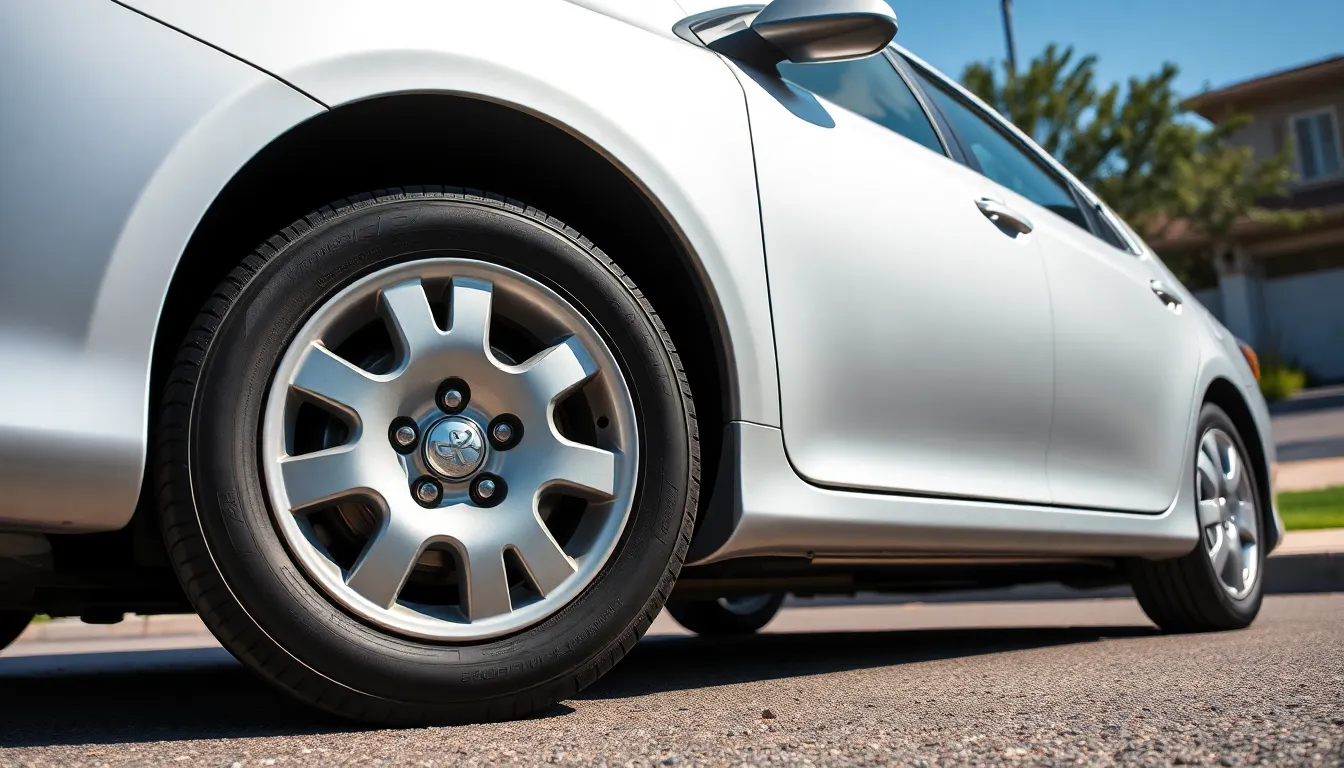
The 2008 Toyota Corolla comes with exact factory-installed tire sizes that vary depending on the trim level. Each tire size is carefully selected by Toyota engineers to optimize the vehicle’s performance, handling, and fuel efficiency.
Standard Tire Size
Toyota equipped the 2008 Corolla with different standard tire sizes across its trim levels. The CE trim features 185/65R15 tires, providing a balance of comfort and economy for the base model. Both LE and S trims come with slightly wider 195/65R15 tires as standard, offering improved grip and stability without sacrificing ride comfort. These 15-inch configurations maintain the Corolla’s reputation for practical, everyday driving performance while delivering reliable fuel economy that Toyota owners expect.
Optional Tire Configurations
The S trim offers an optional upgrade to 195/55R16 tires mounted on 16-inch wheels, giving the sportier Corolla variant enhanced handling characteristics. This optional configuration provides a lower profile tire with a slightly larger wheel diameter, resulting in more responsive steering and improved cornering ability. The wheel offset for both the standard and optional configurations is approximately ET45, ensuring proper fitment and suspension geometry. Toyota recommends maintaining tire pressure between 30-32 psi depending on your exact trim and tire size to maximize both tire longevity and fuel efficiency.
How to Read Your Corolla’s Tire Size Information
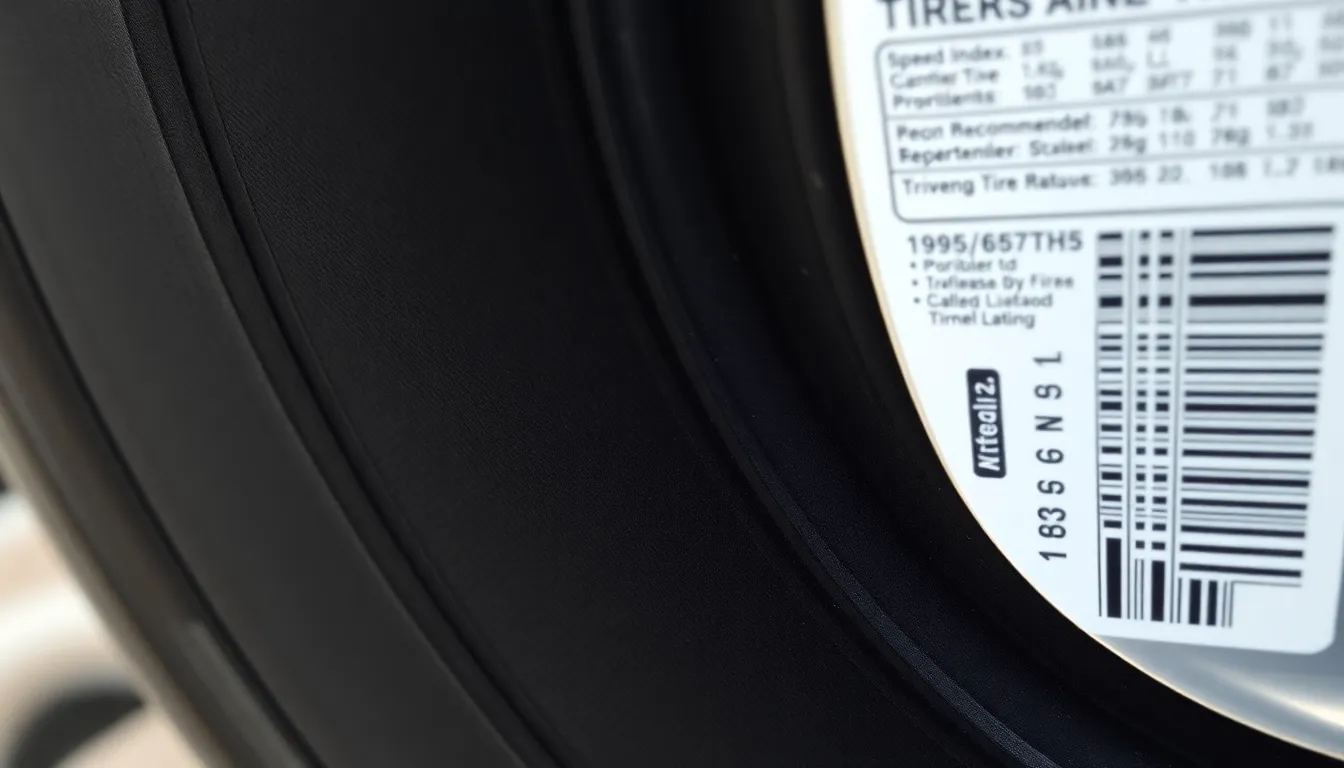
Understanding your 2008 Toyota Corolla’s tire size information is essential for proper maintenance and replacement. The alphanumeric code on your tire sidewall contains crucial specifications that affect your vehicle’s performance, handling, and safety.
Decoding the Sidewall Markings
Tire size markings follow a standard format that reveals important dimensions and construction details. On your 2008 Corolla’s tires, you’ll find a code like “195/65R15” which breaks down into exact components. The first number (195) represents the tire width in millimeters across the tread. Following the slash, the aspect ratio (65) indicates the sidewall height as a percentage of the width – in this case, the sidewall is 65% as tall as the tire is wide. The letter “R” identifies radial construction, the most common tire type used today. The final number (15) specifies the wheel rim diameter in inches that the tire fits. Additional markings include the load index and speed rating (such as “89S”), which indicate the maximum load capacity and speed capability of your tire.
Where to Find Tire Information on Your Vehicle
Your 2008 Toyota Corolla provides tire information in several convenient locations. Check the driver’s side door jamb sticker for the manufacturer’s recommended tire sizes and pressure levels exact to your trim level. This placard contains the official specifications Toyota determined for optimal performance. Your current tires display all specifications directly on their sidewalls – look for the raised lettering that shows size, load ratings, and other important details. The owner’s manual also includes a comprehensive section on tire specifications and maintenance guidelines. Remember that different Corolla trims use exact sizes: CE models typically use 185/65R15 tires, LE and S trims use 195/65R15 tires, and some variations come equipped with 195/55R16 tires for enhanced handling characteristics.
Upgrading Your 2008 Corolla Tires
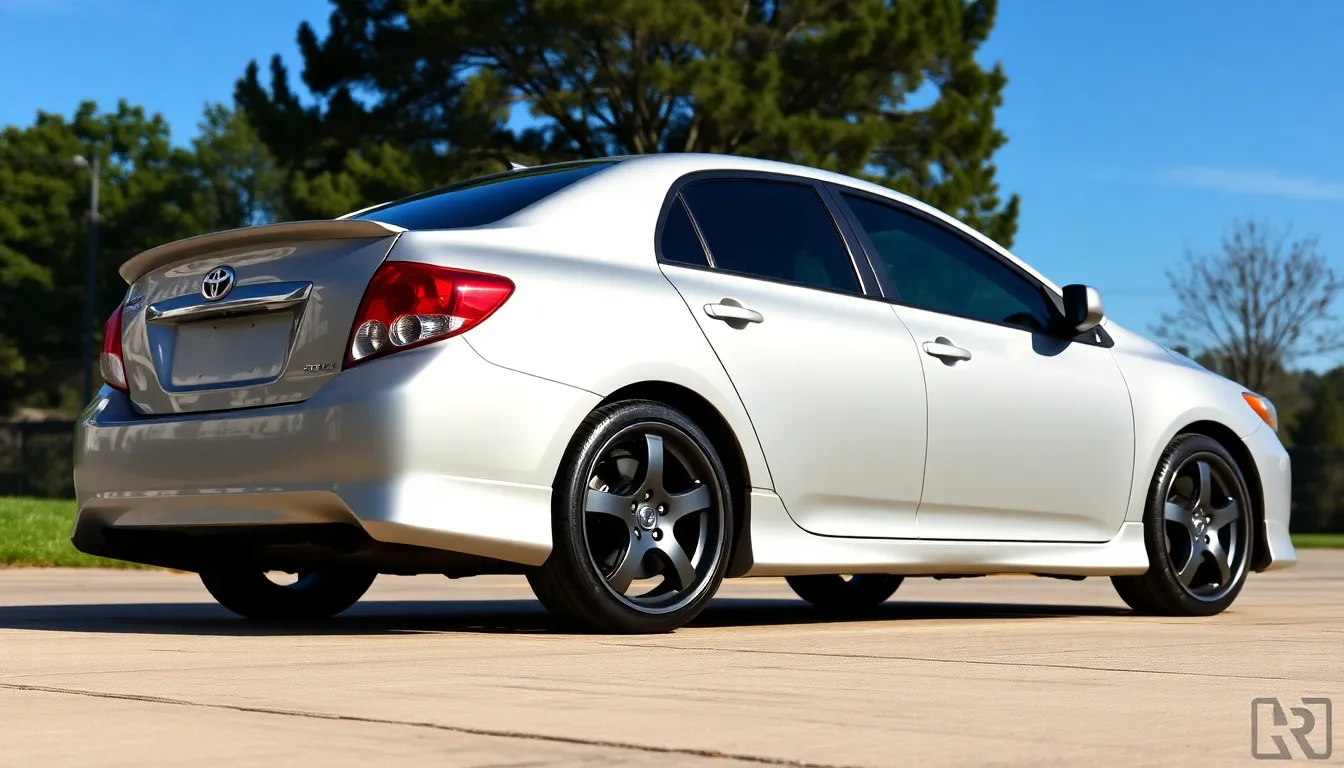
Upgrading your 2008 Toyota Corolla tires offers opportunities to enhance both performance and aesthetics. When selecting new tires, consider upgrading wheel size to maintain proper fitment and performance characteristics. Many Corolla owners successfully transition from 15-inch to 16-inch or 17-inch wheels for improved handling and appearance, with compatible tire sizes such as 205/55R16 or 215/45R17 working well with aftermarket wheels.
Recommended Aftermarket Options
Aftermarket tire options for your 2008 Corolla fall into several categories to match your driving needs. All-season tires provide excellent everyday performance with balanced wet/dry grip and extended tread life, making them practical choices from manufacturers like Michelin, Goodyear, and Continental. Performance-oriented drivers prefer enhanced handling options such as Bridgestone Potenza or Michelin Pilot Sport, which deliver superior grip during spirited driving. Specialty options include eco-friendly low rolling resistance tires for maximizing fuel economy or dedicated winter tires for regions with severe cold weather conditions.
Performance vs. All-Season Considerations
| Aspect | All-Season Tires | Performance Tires |
|---|---|---|
| Traction | Balanced wet/dry traction, suitable for mild climates | Superior dry traction, better cornering |
| Ride Comfort | Typically softer sidewalls for comfort | Stiffer sidewalls for precise handling |
| Durability | Longer tread life | Faster wear due to softer rubber compounds |
| Weather Suitability | Adequate in light snow and rain | Not recommended for snow or ice conditions |
Your driving habits determine which tire type makes more sense for your Corolla. All-season tires deliver practicality and longevity that benefit daily commuters who prioritize reliability and value. Performance tires appeal to enthusiast drivers seeking sharper handling responses and improved grip, though these benefits come with trade-offs in comfort, tread life, and cold-weather capability. Most 2008 Corolla owners find all-season tires offer the ideal balance of characteristics for their everyday driving needs, while performance options suit those wanting a more captivating driving experience.
Seasonal Tire Options for the 2008 Corolla
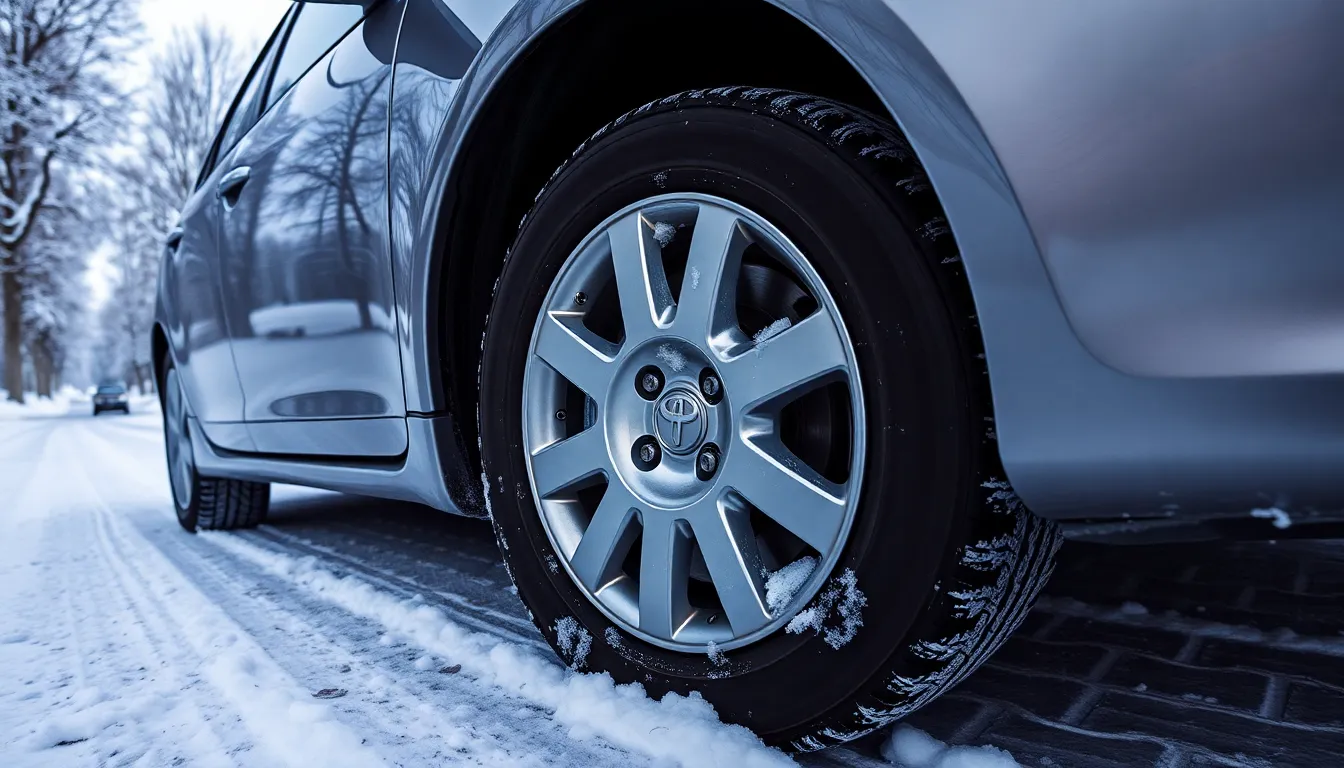
Your 2008 Toyota Corolla requires different tire types depending on the season to maximize safety and performance. Seasonal tires offer specialized traction and handling characteristics customized to exact weather conditions.
Winter Tire Recommendations
Winter tires provide essential traction for 2008 Corolla owners facing snow, ice, and freezing temperatures. These specialized tires feature unique rubber compounds that remain flexible in cold conditions, unlike all-season alternatives that harden and lose grip. Match your original tire size (185/65R15 for CE trim or 195/65R15 for LE trim) to maintain proper handling characteristics during winter months. The S trim can use either 195/65R15 or 195/55R16 winter tires depending on your factory wheel configuration. Quality winter tires include both studded options for extreme ice conditions and studless designs that excel on packed snow while offering quieter operation on cleared roads.
Summer Performance Tires
Summer tires enhance your 2008 Corolla’s warm-weather capabilities with improved handling, responsiveness, and wet/dry grip. These tires use softer rubber compounds optimized specifically for temperatures above 45°F, delivering superior cornering stability and shorter braking distances compared to all-season options. CE trim owners can use 185/65R15 summer tires, while LE models perform best with 195/65R15 options. S trim Corollas can benefit from either 195/65R15 or 195/55R16 summer tires based on the original wheel size. Some enthusiast Corolla owners opt for slightly larger summer tire sizes such as 205/55R16 or 215/45R17 to enhance visual appeal and performance, though these modifications should maintain load ratings compatible with the vehicle’s weight requirements.
Maintaining Proper Tire Pressure and Rotation

Proper tire pressure directly affects your 2008 Toyota Corolla’s safety, fuel efficiency, and tire longevity. The recommended tire pressure for most 2008 Corolla models is approximately 30 psi (2.1 bar), though this value varies slightly between trim levels. Always verify the exact pressure specifications by checking either your owner’s manual or the tire placard located on the driver’s side door jamb, as these sources provide the manufacturer’s exact recommendations for your vehicle.
Underinflated tires create excessive friction with the road surface, leading to premature wear on the outer edges and reduced fuel economy. Overinflated tires, conversely, experience concentrated wear in the center of the tread pattern and deliver a harsher ride quality. Maintaining optimal tire pressure helps distribute weight evenly across the tire’s contact patch, maximizing traction and handling characteristics.
Regular tire rotation is equally important for extending tire life on your Corolla. Toyota recommends rotating tires every 5,000 to 7,500 miles to promote even wear patterns across all four tires. Different positions on the vehicle create unique wear patterns—front tires typically wear faster on the outside edges due to turning forces, while rear tires often wear more uniformly.
The standard rotation pattern for the front-wheel-drive Corolla involves moving the front tires to the rear in their same left/right positions, while the rear tires move forward but switch sides. This cross-pattern helps balance out wear and extends the usable life of your tires, regardless of whether you’re running the CE trim’s 185/65R15 tires or the LE and S trim’s 195/65R15 configuration.
Seasonal changes significantly impact tire pressure, with pressure typically decreasing about 1 psi for every 10°F drop in temperature. During winter months, your Corolla’s tires might need more frequent pressure checks to maintain optimal inflation levels. Similarly, during hot summer conditions, tire pressure may increase beyond recommended levels and require adjustment.
Monitoring tread depth complements your pressure and rotation maintenance routine. The legal minimum tread depth is 2/32 of an inch, but performance begins to degrade well before reaching this threshold, particularly in wet conditions. Checking tread depth regularly using the penny test (inserting a penny with Lincoln’s head upside down into the tread groove—if you can see all of Lincoln’s head, it’s time for new tires) helps ensure your Corolla maintains reliable traction and braking performance.
Conclusion
Choosing the right tire size for your 2008 Toyota Corolla isn’t just about following specifications but ensuring your vehicle performs at its best. Whether you stick with the factory-recommended P195/65R15 or P205/55R16 sizes or explore aftermarket options your decision impacts everything from handling to fuel economy.
Remember to maintain proper tire pressure around 30-32 psi and rotate your tires every 5,000-7,500 miles to maximize their lifespan. The information on your door jamb and in your owner’s manual remains your best guide for making informed decisions.
By understanding tire specifications and maintenance requirements you’ll keep your Corolla running safely and efficiently for many miles to come. Your tires are the only contact between your vehicle and the road making their proper selection and care essential to your driving experience.
Frequently Asked Questions
What is the standard tire size for a 2008 Toyota Corolla?
The standard tire sizes for a 2008 Toyota Corolla vary by trim level. The CE trim uses 185/65R15 tires, while the LE and S trims come with 195/65R15 tires. The S trim also offers an optional upgrade to 195/55R16 tires for enhanced handling. Using manufacturer-recommended sizes ensures optimal safety, performance, and fuel efficiency.
How do I read tire size information on my Corolla?
Tire size codes like P195/65R15 contain specific information: “P” indicates passenger vehicle, “195” is the width in millimeters, “65” is the aspect ratio (sidewall height as percentage of width), “R” means radial construction, and “15” is the wheel diameter in inches. You can find this information on the tire sidewall, driver’s door jamb sticker, or in your owner’s manual.
What happens if I install the wrong tire size on my 2008 Corolla?
Installing incorrect tire sizes can cause handling problems, speedometer inaccuracy, and potentially compromise safety systems. Wrong sizes may affect your vehicle’s ground clearance, ride comfort, and fuel economy. Always use manufacturer-recommended sizes to maintain proper vehicle dynamics and ensure warranty compliance.
Can I upgrade to larger tires on my 2008 Corolla?
Yes, many Corolla owners upgrade from 15-inch to 16-inch or 17-inch wheels for improved handling and aesthetics. Compatible sizes include 205/55R16 or 215/45R17. However, ensure any upgrade maintains the original tire’s overall diameter to prevent issues with speedometer accuracy and vehicle systems.
What type of tires are best for everyday driving in my Corolla?
All-season tires provide the best balance for most Corolla drivers, offering good traction in various conditions, comfortable ride quality, and reasonable tread life. They perform adequately in light snow and rain. Performance tires may appeal to drivers seeking sharper handling but typically wear faster and offer less comfort.
Do I need winter tires for my 2008 Corolla?
If you live in an area with regular snow and ice, winter tires are strongly recommended. They use special rubber compounds that stay flexible in cold temperatures and have tread patterns designed for snow and ice traction. For CE trim, use 185/65R15 winter tires; for LE and S trims, use 195/65R15 or 195/55R16 based on your factory wheel size.
What is the recommended tire pressure for a 2008 Corolla?
The recommended tire pressure for most 2008 Corolla models is approximately 30 psi, with slight variations between trim levels. The exact specification can be found on the driver’s side door jamb sticker or in your owner’s manual. Maintaining proper pressure is crucial for safety, fuel efficiency, and tire longevity.
How often should I rotate my Corolla’s tires?
Toyota recommends rotating your Corolla’s tires every 5,000 to 7,500 miles. Regular rotation ensures even tread wear across all four tires, extending their lifespan and maintaining consistent handling characteristics. For the front-wheel-drive Corolla, the standard rotation pattern involves moving the front tires to the rear and the rear tires to the opposite front positions.