
Are you trying to figure out the correct 2004 Toyota Camry tire size? Finding the right tires for your vehicle can be confusing with all the numbers and specifications to consider.
When it comes to the 2004 Camry, Toyota equipped different trim levels with exact tire sizes designed for optimal performance and safety. Whether you’re replacing worn tires or looking to upgrade, knowing your exact tire specifications is crucial. Not only will the right tires improve your driving experience, but they’ll also ensure proper handling and fuel efficiency for your Camry.
Understanding the 2004 Toyota Camry Tire Size Specifications
The 2004 Toyota Camry tire size specifications vary across different trim levels, providing optimal performance for each model variant. Standard tire sizes for the 2004 Camry include P205/65R15 for the LE and XLE models, while the SE trim features P215/60R16 tires. These specifications are typically found on a sticker inside the driver’s door jamb or in your owner’s manual.
Each tire size code contains crucial information about dimensions and capabilities. For example, in P215/60R16, “P” indicates a passenger vehicle tire, “215” represents the width in millimeters, “60” is the aspect ratio (sidewall height as a percentage of width), “R” signifies radial construction, and “16” denotes the wheel diameter in inches.
Toyota engineers carefully selected these exact tire sizes to balance ride comfort, handling, and fuel efficiency for each Camry trim level. The SE model’s slightly wider tires with a lower profile provide enhanced cornering ability compared to the standard LE configuration.
Liam Kohn, our automotive specialist, recently assisted a customer who had purchased incorrect tires after misreading their Camry’s specifications. “The difference between a 15-inch and 16-inch tire completely transformed how their vehicle handled,” Liam noted. “They immediately felt the improvement once we installed the correct size.”
Understanding these specifications ensures you’ll select compatible replacements that maintain your Camry’s designed performance characteristics. Deviating from factory specifications can affect speedometer accuracy, vehicle handling, and overall driving safety.
Factory Standard Tire Sizes for 2004 Toyota Camry Models
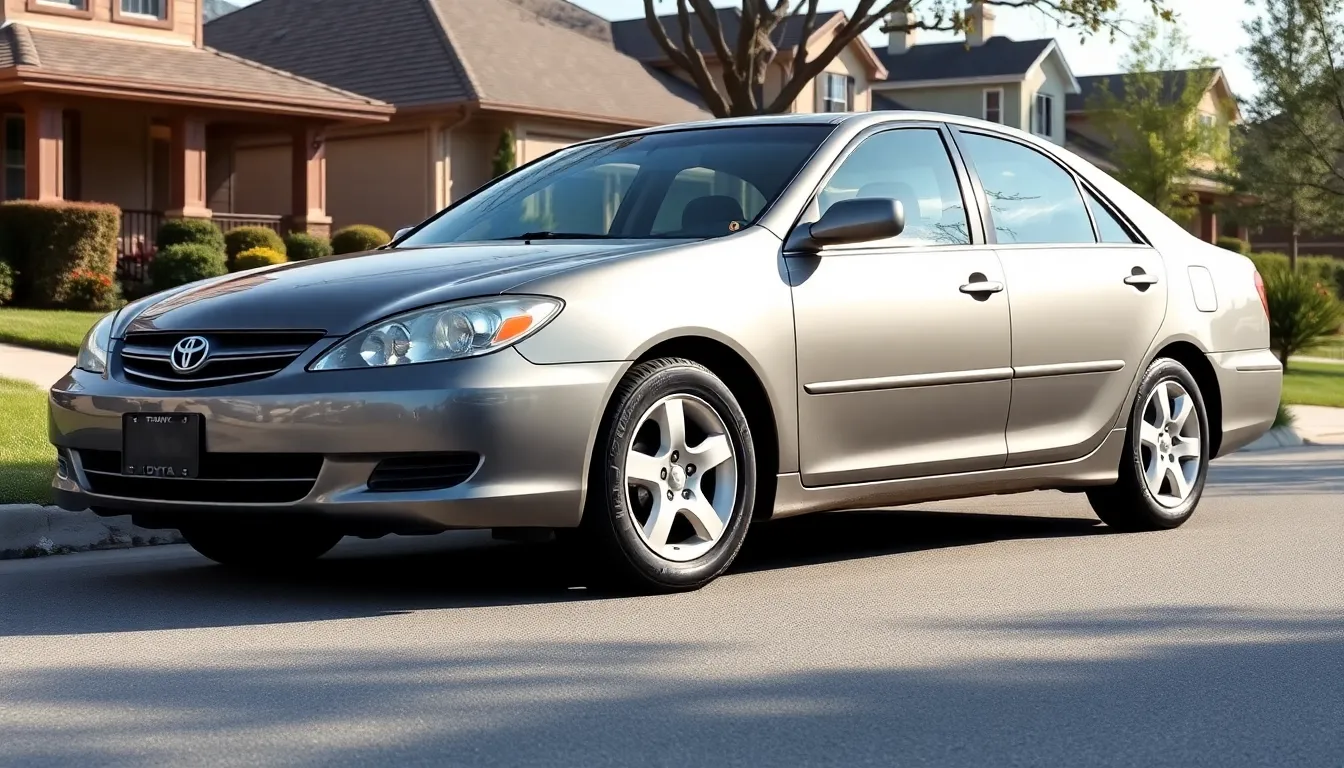
The 2004 Toyota Camry comes equipped with exact tire sizes based on trim level. Each model features carefully selected tire dimensions engineered to complement the vehicle’s performance characteristics and intended driving experience.
Base Model LE/XLE Tire Dimensions
Toyota fitted the 2004 Camry LE and XLE models with 205/65R15 tires as standard equipment. These all-season tires typically carry load ratings of 92H or 94H, providing balanced performance for everyday driving conditions. Some LE Limited Edition versions received an upgrade to 215/60R16 tires, offering slightly improved handling characteristics over the standard configuration. The 15-inch wheel setup on standard LE/XLE models prioritizes comfort and fuel efficiency, making these models ideal for drivers seeking a smooth, relaxed driving experience.
Sportier SE Model Tire Specifications
The 2004 Camry SE, designed as the sportier variant in the lineup, features larger 215/60R16 tires. These wider tires with a lower profile ratio create a more aggressive stance and deliver enhanced cornering capabilities. SE models benefit from the increased tire footprint, providing improved road grip during spirited driving. Automotive specialist Liam Kohn notes that “the SE’s tire package transforms the Camry’s handling characteristics, giving drivers noticeably sharper response in turns without sacrificing too much ride comfort.” The 16-inch wheel diameter on SE models also accommodates larger brake components, contributing to the model’s performance-oriented character.
Decoding Toyota Camry Tire Size Markings
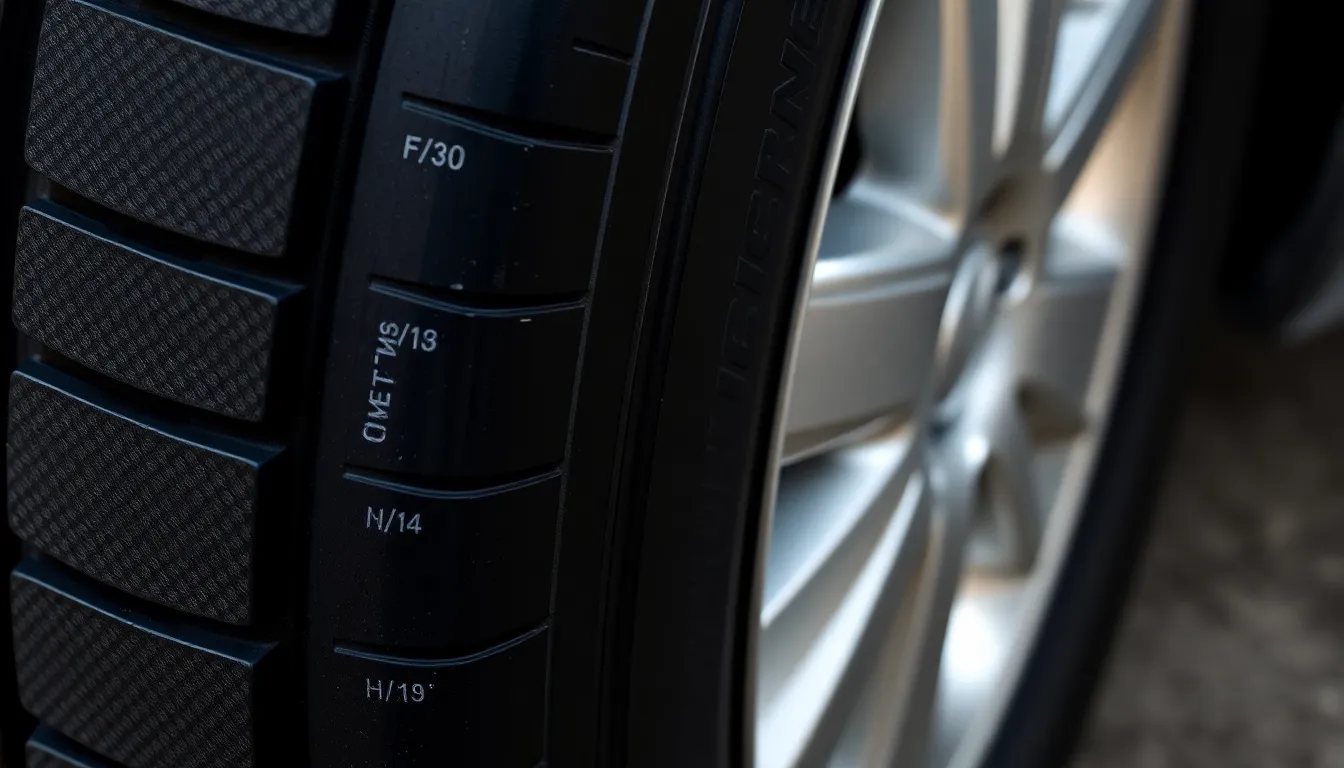
Understanding your 2004 Toyota Camry tire markings reveals critical information about their dimensions and performance capabilities. These alphanumeric codes printed on the sidewall contain precise specifications that ensure proper fitment and safety.
P-Metric System Explained
The P-metric system serves as the standard classification for passenger vehicle tires used on the 2004 Toyota Camry. Taking a typical Camry tire size like 205/65R15 92H as an example, the “P” prefix (sometimes implied rather than printed) identifies it as a Passenger vehicle tire. The first number “205” indicates the tire width in millimeters measured from sidewall to sidewall. Following this, the “65” represents the aspect ratio, showing that the tire’s height is 65% of its width. The “R” designates Radial construction, meaning the internal layers run radially across the tire for improved stability and handling. Finally, the “15” specifies the wheel rim diameter in inches that the tire fits.
Alternative Tire Sizes Compatible with 2004 Camry

The 2004 Toyota Camry accommodates several tire size options beyond factory specifications. These alternatives offer different performance characteristics while maintaining compatibility with your vehicle’s design parameters.
Upsizing Options and Considerations
Upsizing your 2004 Camry tires enhances both performance and appearance without requiring extensive modifications. Moving from the standard 205/65R15 to 215/60R16 provides improved cornering stability and a more substantial stance. Larger options like 215/55R17, 235/45R18, and even 235/40R19 are viable for drivers seeking more aggressive handling characteristics. Changing to larger wheels affects several aspects of your driving experience – the decreased sidewall height increases responsiveness but reduces cushioning against road imperfections. Fuel efficiency might decrease slightly due to increased rolling resistance and weight of larger tires. Your speedometer accuracy needs consideration when upsizing, as the altered overall diameter changes the relationship between actual and indicated speed.
Downsizing Possibilities for Winter Driving
Downsizing presents practical advantages for winter conditions, particularly in regions with heavy snowfall. Switching from 16-inch to 15-inch wheels allows for tires with taller sidewalls, creating more flexibility when driving through snow and slush. Narrower tires cut through snow more effectively than wider options, improving traction on slippery surfaces. The increased sidewall height absorbs impacts from winter road hazards like potholes and ice chunks, protecting both your wheels and suspension components. Winter tire packages typically feature specialized rubber compounds that maintain flexibility in freezing temperatures, complementing the dimensional benefits of downsized options. The combination of proper winter tires and appropriate sizing dramatically enhances cold-weather safety for your 2004 Camry.
Benefits of Maintaining Proper Tire Size
Using the correct tire size for your 2004 Toyota Camry delivers important advantages in multiple aspects of vehicle performance. The factory-specified 205/65R15 tires for the Camry LE model were carefully selected by Toyota engineers to optimize the vehicle’s driving characteristics.
Fuel Economy and Performance Impact
Proper tire size directly influences your Camry’s fuel efficiency by minimizing unnecessary road friction. Correctly sized 205/65R15 tires maintain the optimal contact patch with the road surface, reducing rolling resistance and helping you save money at the pump. Your Camry’s performance also benefits from appropriate tire sizing, as these tires work in harmony with the vehicle’s suspension and transmission systems. The right tire dimensions ensure proper speedometer readings and transmission shift points, preventing unnecessary strain on your drivetrain components.
Safety and Handling Advantages
Your safety on the road improves significantly with properly sized tires. The 205/65R15 tires on a 2004 Camry LE provide balanced braking performance, crucial for emergency stops and everyday driving situations. These tires enhance vehicle stability during cornering maneuvers and help prevent skidding in adverse conditions. The correct tire dimensions also complement your Camry’s suspension design, maintaining proper weight distribution and improving overall handling response. Road grip improves with factory-specified tires, giving you more confidence when handling challenging road conditions.
Where to Purchase Replacement Tires for Your 2004 Camry

Finding quality replacement tires for your 2004 Toyota Camry doesn’t have to be complicated. Major tire retailers like Goodyear and Discount Tire offer extensive selections specifically compatible with your Camry’s requirements. These established companies provide online shopping platforms where you can browse options based on your trim level’s specifications.
Tire specialty stores stock a wide range of options from all-season tires for everyday driving to performance tires for enhanced handling. Many retailers feature convenient installation services at nearby locations, eliminating the hassle of transporting newly purchased tires.
Toyota dealerships often carry manufacturer-recommended tire models, ensuring perfect compatibility with your 2004 Camry’s original specifications. These dealership options typically come with professional mounting and balancing services performed by technicians familiar with your exact vehicle model.
Protection plans covering road hazards are available from most retailers, offering peace of mind against unexpected tire damage. Popular brands range from premium options with extended tread life warranties to more budget-friendly alternatives that still deliver reliable performance for your Camry.
Online tire retailers provide competitive pricing along with detailed specifications matching your Camry’s trim level, whether you drive an LE with 215/60R16 tires or another variant. Customer reviews on these platforms can help you evaluate real-industry performance of different tire models before making your purchase decision.
Local tire shops may offer personalized service and expertise about which tire models perform best in your exact region’s weather conditions. Their technicians can recommend appropriate options based on your driving habits and the typical road conditions you encounter in your 2004 Camry.
Conclusion
Choosing the right tire size for your 2004 Toyota Camry isn’t just about following specifications but maximizing your vehicle’s potential. Whether you stick with the factory-recommended P205/65R15 for LE and XLE models or P215/60R16 for the SE trim you’ll enjoy optimal performance safety and efficiency.
Remember that tire size affects everything from fuel economy to handling dynamics and safety. When replacing your Camry’s tires consider visiting reputable retailers who can match your exact model requirements.
By understanding the alphanumeric codes on your tire sidewall you’re empowered to make informed decisions about replacements or upgrades. The right tires will keep your 2004 Camry running smoothly while providing the confidence you need on the road for years to come.
Frequently Asked Questions
What are the standard tire sizes for a 2004 Toyota Camry?
The standard tire sizes for a 2004 Toyota Camry vary by trim level. The LE and XLE models typically come with P205/65R15 tires, which prioritize comfort and fuel efficiency. The sportier SE trim features P215/60R16 tires for enhanced cornering capabilities. Some LE Limited Edition versions may have upgraded to 215/60R16 tires as well.
What does the tire size code P205/65R15 92H mean?
P205/65R15 92H is a tire size code where “P” indicates a passenger vehicle tire, “205” is the width in millimeters, “65” is the aspect ratio (sidewall height as a percentage of width), “R” means radial construction, “15” is the wheel diameter in inches, “92” is the load index, and “H” represents the speed rating.
Can I use a different tire size on my 2004 Camry?
Yes, you can use alternative tire sizes on your 2004 Camry, but with caution. Upsizing (like going from 205/65R15 to 215/60R16) can enhance performance and appearance, while downsizing to 15-inch wheels may improve winter traction. However, significant deviations from factory specifications can affect speedometer accuracy, handling, and safety.
How does tire size affect fuel economy?
Proper tire size directly influences fuel economy by minimizing road friction. Factory-specified tires (like 205/65R15 for Camry LE) are designed to optimize rolling resistance and weight, which affects how hard the engine must work. Using incorrectly sized tires can increase fuel consumption by creating more drag or altering the effective gear ratio.
Where can I purchase replacement tires for my 2004 Toyota Camry?
You can purchase replacement tires from major retailers like Goodyear and Discount Tire, Toyota dealerships, tire specialty stores, or online retailers. Each option offers different advantages: dealerships provide manufacturer-recommended options, specialty stores offer expert advice, and online retailers often have competitive pricing and customer reviews to guide your decision.
What are the benefits of maintaining the proper tire size?
Maintaining proper tire size ensures optimal fuel economy, performance, safety, and handling. Correctly sized tires integrate better with your Camry’s suspension and transmission systems, improve braking performance, enhance vehicle stability, and provide better road grip. This ultimately leads to a more confident and comfortable driving experience in various conditions.
Can I upgrade to larger wheels on my 2004 Camry?
Yes, you can upgrade to larger wheels on your 2004 Camry. Options like 215/55R17 or even 235/45R18 are available for those seeking more aggressive handling and appearance. However, larger wheels may negatively impact fuel efficiency, ride comfort, and speedometer accuracy. Ensure the overall diameter remains close to the original to minimize these effects.
Why did my 2004 Camry come with different tire sizes than my friend’s?
Different trim levels of the 2004 Camry came with specific tire sizes designed for their intended performance characteristics. The LE and XLE models prioritized comfort with 205/65R15 tires, while the SE trim offered sportier handling with 215/60R16 tires. Special editions or optional packages could also result in tire size variations between otherwise identical models.