
Are you struggling to find the right 2002 Honda Accord tire size? Nothing’s more frustrating than purchasing the wrong tires for your vehicle, wasting both time and money in the process.
The 2002 Honda Accord came equipped with different tire sizes depending on the trim level and wheel options. Understanding the correct specifications ensures optimal performance, safety, and longevity for your reliable sedan. Whether you’re replacing worn tires or looking to upgrade, knowing your exact Honda Accord’s tire requirements is essential before making any purchase.
Understanding the 2002 Honda Accord Tire Size
The 2002 Honda Accord tire size varies depending on the exact trim level and wheel package. Standard DX models come equipped with P195/70R14 tires, while LX trims typically feature P195/65R15 tires. EX and V6 models are fitted with larger P205/65R15 or P205/60R16 tires for enhanced performance and stability.
Tire size information can be found in multiple locations on your vehicle. Check the driver’s side door jamb for a sticker containing the manufacturer’s recommended tire specifications. Your owner’s manual also contains this critical information in the maintenance section. The sidewall of your current tires displays the size in a format like “P205/65R15,” which breaks down into exact measurements.
When decoding a tire size like P205/65R15, each component represents important information:
- “P” indicates it’s a passenger vehicle tire
- “205” refers to the tire width in millimeters
- “65” is the aspect ratio (height to width percentage)
- “R” signifies radial construction
- “15” represents the wheel diameter in inches
“I’ve owned my 2002 Accord EX for over 15 years,” shares Liam Kohn. “Learning to read the tire size code saved me hundreds in unnecessary replacements and improved my car’s handling significantly, especially during Chicago winters.”
Using the correct tire size ensures optimal performance characteristics. The right dimensions maintain proper speedometer accuracy, provide appropriate load-bearing capacity, and preserve the handling characteristics that Honda engineers designed. Improper sizing can lead to speedometer inaccuracy, reduced fuel economy, and compromised safety systems.
Regional weather conditions might influence your tire choice beyond just size. Northern drivers often opt for dedicated winter tires in the same size specifications during colder months, while southern owners might prioritize all-season or summer performance options that still match the factory dimensions.
Chat with a tire professional if you’re considering minor size adjustments. Small variations within 3% of the original specifications are generally acceptable without important impact on performance or safety. Larger deviations require professional consultation to avoid mechanical problems and warranty issues.
Original Factory Tire Specifications
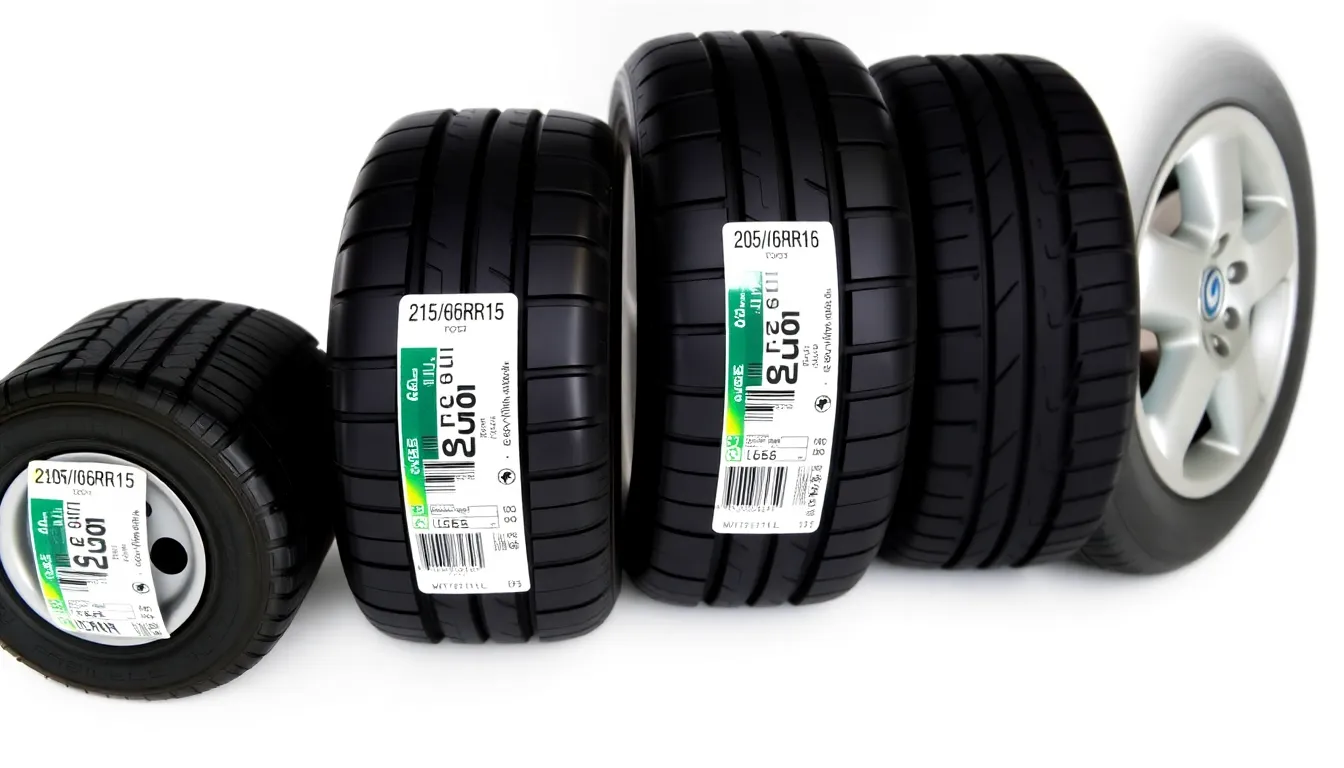
The 2002 Honda Accord came equipped with exact tire sizes based on trim level and model configuration. These factory specifications ensure optimal performance and handling characteristics for each variant of the vehicle.
Base Model Tire Size
Base models of the 2002 Honda Accord typically feature 195/65R15 tires, particularly on the LX trim. This tire size provides a balanced combination of comfort, fuel efficiency, and handling for everyday driving conditions. The standard DX models come with slightly different specifications, featuring P195/70R14 tires that offer more sidewall cushioning for a smoother ride.
EX and LX Model Tire Sizes
Different Accord trim levels received exact tire configurations from the factory to match their performance characteristics. LX models come standard with 195/65R15 tires, while the LX V6 models upgrade to 205/65R15 tires for better stability and grip to handle the additional power. The Coupe EX 4-cylinder models maintain the 195/65R15 size, similar to the LX trim. Coupe EX V6 models receive a important upgrade with 205/60R16 tires, featuring a lower profile and larger diameter wheel for enhanced cornering capability and sportier aesthetics. Additional factory sizes available across certain 2002 Accord configurations include 205/60R15 and 205/65R15 options.
Decoding Tire Size Markings on Your Honda Accord
Understanding tire size markings is essential for maintaining your 2002 Honda Accord’s performance and safety. These alphanumeric codes contain exact information about tire dimensions and construction that directly impact your vehicle’s handling and efficiency.
What the Numbers and Letters Mean
Tire size markings on your 2002 Honda Accord follow a standardized format that’s packed with important information. The typical format (like 205/65R15) breaks down into four critical components. The first number (205) indicates the tire width in millimeters measured from sidewall to sidewall. The second number (65) represents the aspect ratio – the tire’s height as a percentage of its width, creating a taller sidewall for higher numbers and a shorter profile for lower ones. The letter “R” designates radial construction, the most common tire design featuring layers running radially around the tire. The final number (15) specifies the wheel diameter in inches, telling you exactly what rim size your tire fits. This knowledge proves invaluable when shopping for replacements, as matching these specifications ensures proper fitment and maintains your Accord’s factory-designed performance characteristics.
Alternative Tire Sizes for the 2002 Honda Accord

Your 2002 Honda Accord offers flexibility when it comes to tire options beyond the factory specifications. Alternative tire sizes can enhance performance, aesthetics, or adapt to exact driving conditions when chosen correctly.
Upsizing Options and Considerations
Upsizing from your Accord’s factory tires provides noticeable improvements in handling and appearance. Moving from 15-inch wheels to 16-inch or 17-inch wheels creates a sportier look while potentially improving cornering stability. Common upsizing paths include transitioning from 195/65R15 to 205/60R16 or 215/55R17, maintaining a similar overall diameter to preserve speedometer accuracy.
Several factors require attention when selecting larger tires. The overall diameter must remain close to the original specification to avoid speedometer and odometer inaccuracies. Wheel width and offset measurements need verification to prevent rubbing against suspension components or wheel wells during turns or over bumps. Larger wheels with low-profile tires often reduce ride comfort and may increase rolling resistance, affecting fuel economy. Brake clearance also becomes crucial with bigger wheel setups, as the inner wheel must accommodate brake calipers and other components.
Popular aftermarket sizes for the 2002 Accord include:
| Aftermarket Tire Size | Best For | Considerations |
|---|---|---|
| 215/55R17 | Balanced performance | Mild increase in cornering stability |
| 225/50R17 | Enhanced handling | Slightly firmer ride |
| 235/35R19 | Maximum style | Reduced comfort, potential clearance issues |
| 235/40R19 | Aggressive stance | Higher cost, more susceptible to damage |
| 245/35R19 | Performance focus | Requires careful fitment verification |
Owners often report improved turn-in response and a more planted feel with modestly upsized tires like the 215/55R17. These alternatives maintain reasonable comfort while improving the Accord’s appearance and performance characteristics.
How Tire Size Affects Performance and Handling
Tire size dramatically influences your Honda Accord’s driving dynamics, with each dimension serving a exact purpose in the vehicle’s overall performance. Handling and stability improve with larger diameter tires (17″ to 19″), as these typically feature lower sidewalls that flex less during cornering, creating more responsive driving behavior. Smaller tires generally provide a softer ride but sacrifice some of the sharp handling characteristics that performance-oriented drivers prefer.
Ride comfort varies significantly between tire profiles, with higher aspect ratio tires like the stock 195/70 option offering taller sidewalls that better absorb road imperfections. These provide a more cushioned experience on rough roads. Lower profile options such as 235/35 deliver a sportier feel but transmit more road texture and bumps directly to the cabin.
Traction capabilities depend largely on tire width, with broader tires (225mm or 245mm) creating a larger contact patch against the road surface. This expanded footprint enhances grip in dry conditions, particularly during aggressive cornering or quick acceleration. The trade-off comes in the form of increased rolling resistance, which can affect other performance aspects.
Fuel efficiency tends to decrease as tire size increases, with the stock 14″ and 15″ options on base 2002 Accord models offering optimal economy. Smaller, narrower tires generate less rolling resistance, allowing the engine to work more efficiently during daily driving. Upgrading to larger, wider tires like the 235/40R19 can reduce fuel economy by 1-2 mpg due to the additional weight and friction.
Speedometer accuracy depends on maintaining a similar overall tire diameter when changing sizes. Important deviations from the stock circumference can cause your speedometer to display incorrect values, potentially leading to speed miscalculations. For example, upgrading from the standard 195/65R15 to a 235/35R19 without proper calibration might result in a 5-7% discrepancy in displayed speed.
Selecting the appropriate tire size for your 2002 Honda Accord requires balancing these performance factors against your personal driving preferences. Stock sizes (ranging from 195/70R14 to 205/60R16 depending on trim) provide an engineered compromise that optimizes safety, handling, and efficiency for everyday driving conditions.
Seasonal Tire Options for the 2002 Honda Accord

All-season tires come standard on most 2002 Honda Accords, providing reliable performance throughout the year in moderate climate conditions. The Michelin Pilot Sport All Season 4 ranks among popular choices for Accord owners seeking a balance between performance capabilities and everyday comfort. These tires deliver consistent handling across various road conditions while maintaining the responsive feel that makes the Accord enjoyable to drive.
For regions with unpredictable weather patterns featuring frequent rain and occasional snow, all-weather tires like the Nokian Cover AW01 offer an excellent alternative. These versatile options provide enhanced traction in wet conditions and light snow without requiring seasonal tire changes. All-weather tires maintain their flexibility in colder temperatures, unlike standard all-season variants that can harden and lose grip when temperatures drop significantly.
Winter tires become essential for Accord owners facing harsh winter climates with regular snowfall and icy conditions. Specialized winter tires feature unique tread patterns and rubber compounds specifically engineered to maintain flexibility in freezing temperatures. When selecting winter tires for your 2002 Accord, you’ll typically want to match your stock size or choose slightly narrower options that fit your existing rims for optimal snow performance.
| Seasonal Tire Type | Recommended for | Popular Example | Price Range |
|---|---|---|---|
| All-Season | Year-round use in moderate climates | Michelin Pilot Sport All Season 4 | $100-200 |
| All-Weather | Mixed weather regions with light snow | Nokian Cover AW01 | $120-220 |
| Winter | Harsh winter environments with snow/ice | Varies by size | $110-240 |
Your driving environment significantly impacts which seasonal tire option makes the most sense for your Accord. Southern states with minimal winter precipitation can rely on quality all-season tires year-round, while northern regions often benefit from dedicated winter tires during colder months. The right seasonal tire choice enhances both safety and performance, ensuring your 2002 Accord maintains reliable traction regardless of weather conditions.
Purchasing Guide: Finding the Right Tires
Matching your 2002 Honda Accord with appropriate tires ensures optimal performance and safety. Always start by confirming your vehicle’s original equipment manufacturer (OEM) tire size, which is clearly marked on the tire sidewall or door jamb placard. Using incorrect sizes affects handling characteristics and compromises safety margins during emergency maneuvers.
Your driving conditions significantly impact tire selection decisions. For everyday driving in varied conditions, all-season performers like the Michelin Pilot Sport All Season 4 deliver excellent traction and comfort. Owners in regions with unpredictable weather patterns benefit from all-weather options such as the Nokian Cover AW01, providing reliable grip in both rain and light snow conditions.
Wheel diameter compatibility requires careful attention when shopping for replacements. The 2002 Accord typically uses 15-inch wheels for most trims, with 16-inch wheels reserved for the Coupe EX V6 model. Exact tire sizes include:
| Trim Level | Standard Tire Size |
|---|---|
| EX Sedan V6 | 205/65R15 |
| LX | 195/65R15 |
| LX V6 | 205/65R15 |
| Coupe EX 4-cylinder | 195/65R15 |
| Coupe EX V6 | 205/60R16 |
| Coupe LX 4-cylinder | 195/65R15 |
Budget considerations play a role in tire selection, with prices ranging from approximately $80 for basic models to $240+ for premium performance options. Premium tires generally offer enhanced traction, quieter operation, and longer tread life compared to economy options.
Seasonal requirements might necessitate specialized tires depending on your local climate. Northern drivers often maintain two sets of tires—all-season for warmer months and dedicated winter tires for snowy conditions. Southern owners typically find year-round satisfaction with high-quality all-season options.
Tread patterns vary significantly between tire models and affect both performance and noise levels. Directional treads channel water effectively but may produce more road noise, while symmetric patterns typically offer quieter operation with balanced wear characteristics.
Conclusion
Selecting the right tire size for your 2002 Honda Accord isn’t just about finding something that fits. It’s about maintaining your vehicle’s performance safety and handling characteristics as engineered by Honda.
Whether you stick with factory specifications like 195/65R15 for LX models or explore alternative sizes for performance upgrades the key is understanding what those numbers mean for your driving experience.
Remember that proper tire sizing affects everything from speedometer accuracy to fuel efficiency and ride comfort. Your local climate should influence your seasonal tire choices while your budget and driving style will determine the best balance of performance features.
With the right tires your 20+ year old Accord can continue delivering the reliable performance that’s made it a legendary sedan on American roads.
Frequently Asked Questions
What is the standard tire size for a 2002 Honda Accord DX model?
The standard tire size for a 2002 Honda Accord DX model is P195/70R14. This base model comes equipped with 14-inch wheels, which are fitted with tires that balance comfort and economy. These tires provide adequate performance for everyday driving while maintaining fuel efficiency for the entry-level trim.
What tire sizes are available for the 2002 Honda Accord LX and EX models?
The 2002 Honda Accord LX models typically use P195/65R15 tires, while EX models use P205/65R15 tires. V6 models may be equipped with larger P205/60R16 tires for enhanced performance and stability. Each size is specifically engineered to match the performance characteristics of the respective trim level.
Where can I find the correct tire size for my 2002 Honda Accord?
You can find the correct tire size information in three main places: the driver’s side door jamb sticker, your vehicle’s owner’s manual, or directly on the sidewall of your current tires. The door jamb sticker is the most reliable source as it contains the manufacturer’s recommended specifications.
What do the numbers in a tire size like 205/65R15 mean?
In a tire size like 205/65R15: 205 indicates the tire width in millimeters, 65 represents the aspect ratio (sidewall height as a percentage of width), R designates radial construction, and 15 is the wheel diameter in inches. Understanding these components helps ensure you select compatible replacement tires.
Can I use different tire sizes on my 2002 Honda Accord?
Yes, you can use alternative tire sizes, but they should maintain a similar overall diameter to preserve speedometer accuracy and proper mechanical function. Popular upsizing options include going from 195/65R15 to 205/60R16 or 215/55R17. Always consult with a tire professional before making significant changes.
How does tire size affect the performance of a 2002 Honda Accord?
Tire size significantly impacts performance: larger diameter tires (17″-19″) improve handling and stability but offer a firmer ride. Wider tires provide better traction but may reduce fuel efficiency. Smaller tires typically offer a softer ride but less precise handling. The stock sizes represent an engineered compromise for safety, comfort, and efficiency.
What are the best seasonal tire options for a 2002 Honda Accord?
For moderate climates, all-season tires like the Michelin Pilot Sport All Season 4 work well. All-weather tires such as the Nokian Cover AW01 are ideal for unpredictable conditions with light snow. For harsh winters, dedicated winter tires are essential. Choose based on your regional weather patterns to ensure optimal safety and performance.
How much should I expect to pay for new tires for my 2002 Honda Accord?
New tires for a 2002 Honda Accord typically range from approximately $80 for budget options to over $240 for premium tires per tire. The price varies based on size, brand, performance characteristics, and warranty. Investing in quality tires from reputable manufacturers generally provides better performance, safety, and longevity.