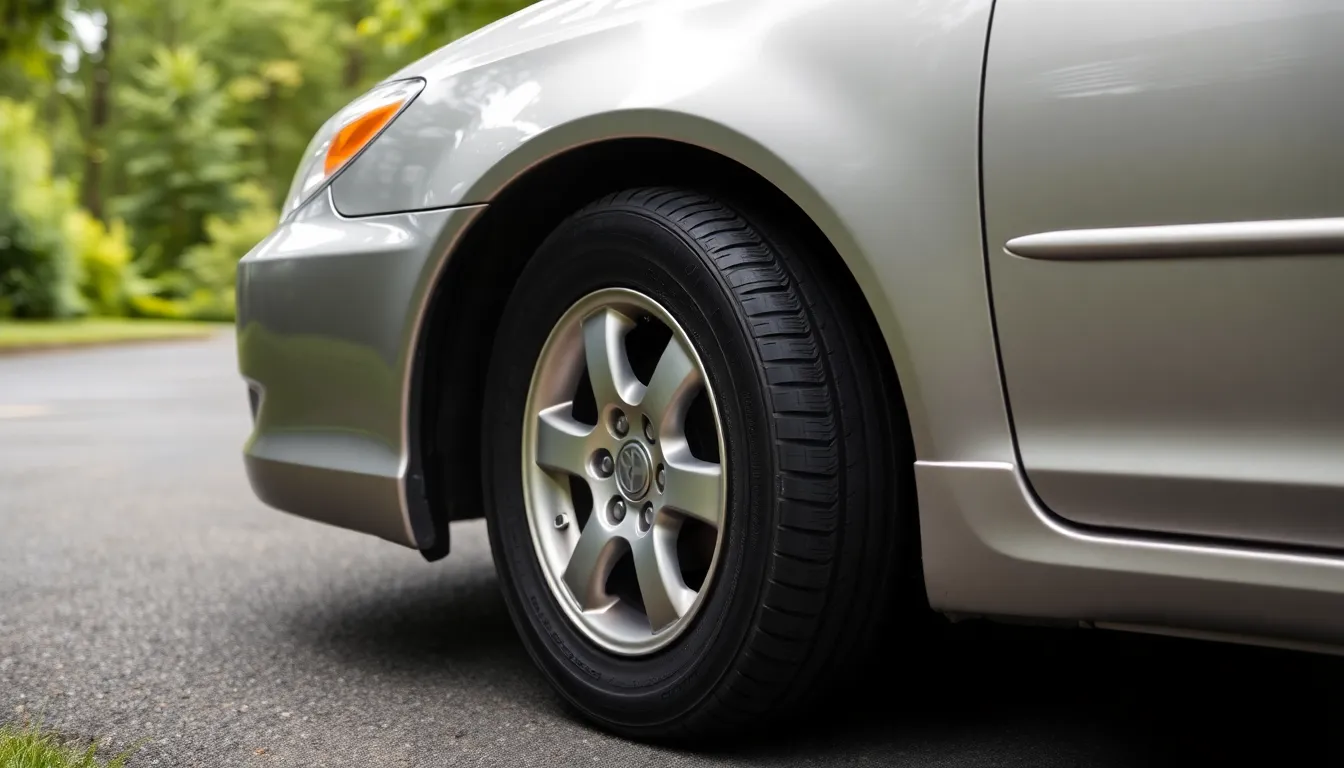
Wondering about the correct 03 Toyota Camry tire size for your vehicle? Finding the right tires isn’t just about fit—it’s about optimizing your driving experience and ensuring your safety on the road.
Your 2003 Toyota Camry came equipped with exact tire sizes depending on the trim level. Whether you’re replacing worn tires or looking to upgrade, understanding the factory specifications is crucial. The standard tire size for most 2003 Camry models is P205/65R15, though LE V6 and XLE V6 models typically use P215/60R16. Knowing these details helps you make informed decisions when it’s time for new rubber.
Understanding the 2003 Toyota Camry Tire Size Specifications
The 2003 Toyota Camry tire size format follows a standardized pattern that’s essential to decode correctly. Each component of the tire code represents exact measurements and characteristics that affect your vehicle’s performance.
A typical 2003 Camry tire size looks like P205/65R15 or P215/60R16, with each part conveying crucial information:
- P: Indicates a passenger vehicle tire
- 205 or 215: The tire width in millimeters
- 65 or 60: The aspect ratio (sidewall height as a percentage of width)
- R: Radial construction
- 15 or 16: The wheel diameter in inches
Toyota designed different trim levels with exact tire requirements to optimize performance characteristics. The base CE and LE four-cylinder models use P205/65R15 tires, providing a balanced mix of comfort and efficiency. Higher-end V6 models like the LE V6 and XLE V6 come equipped with the slightly larger P215/60R16 tires, offering enhanced handling and stability.
Load and speed ratings also appear on your Camry’s tires, typically shown as numbers and letters after the size designation. For example, a P205/65R15 91H indicates a load index of 91 (capable of supporting 1,356 pounds) and a speed rating of H (suitable for speeds up to 130 mph).
These specifications aren’t arbitrary—they’re carefully selected by Toyota engineers to complement your Camry’s suspension design, braking system, and overall driving dynamics. During a recent tire replacement, Liam Kohn noted how a properly sized set of tires immediately restored his Camry’s smooth highway ride and responsive steering feel that had gradually deteriorated with his worn original tires.
Factory Standard Tire Sizes for Different 2003 Camry Trims
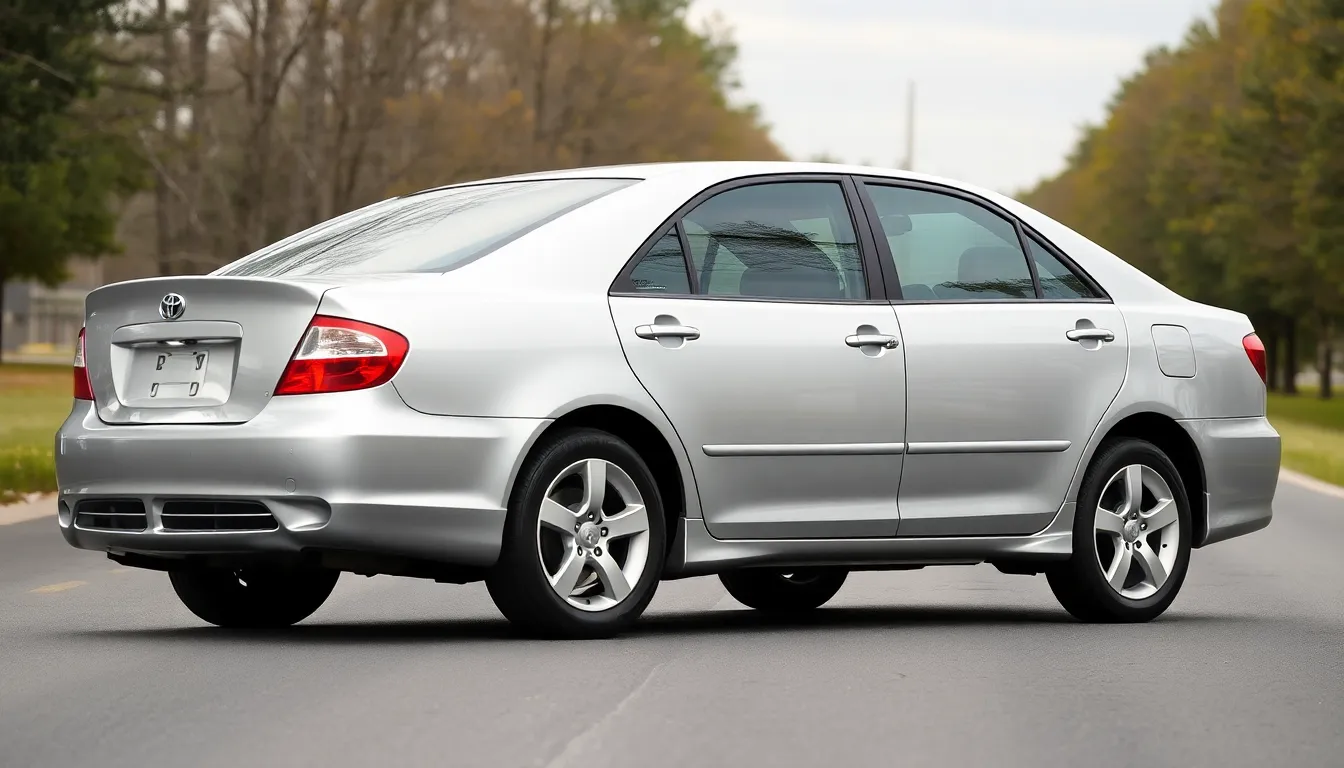
Toyota manufactured the 2003 Camry with exact tire sizes optimized for each trim level’s performance characteristics. These factory standard specifications ensure proper handling, fuel efficiency, and ride comfort for your vehicle.
LE and CE Model Tire Specifications
The 2003 Toyota Camry LE and CE models come equipped with 205/65R15 tires mounted on 15-inch wheels. These base model trims use this tire size to balance everyday comfort with fuel efficiency. Toyota engineers selected this particular specification to provide adequate traction while maintaining the smooth ride quality that Camry owners appreciate. The recommended tire pressure for these models is typically 29 psi (2.0 bar) for optimal performance and tire longevity.
SE and XLE Model Tire Specifications
For the 2003 Camry SE and XLE trims, Toyota opted for larger 215/60R16 tires on 16-inch wheels. These premium trims benefit from the wider contact patch and slightly lower profile, improving cornering stability and overall handling response. The larger wheel diameter also accommodates bigger brake components often found in these higher-end models. SE models particularly benefit from these sportier tires, complementing their more performance-oriented suspension tuning and driving characteristics.
Some specialty or upgraded versions of the 2003 Camry might feature alternative sizes such as 215/55R17 or 225/50R17, but these aren’t as common as the standard factory specifications mentioned above. Maintaining these factory tire dimensions ensures your Camry performs as Toyota originally intended.
Decoding Toyota Camry Tire Size Markings

Toyota Camry tire sizes follow the P-Metric system with markings like P215/60R16 printed on the sidewall. These codes aren’t random numbers but rather a standardized format containing critical information about your tire’s dimensions and capabilities.
P-Metric System Explained
P-Metric tires are specifically designed for passenger vehicles like the Toyota Camry, indicated by the “P” prefix in the tire size. These tires offer a balanced combination of smooth ride quality, reliable highway handling, and overall durability for everyday driving conditions. Unlike LT (Light Truck) tires built for heavier loads and off-road use, P-Metric tires feature lighter construction optimized for passenger comfort and fuel efficiency. The numbering system that follows the “P” designation tells you exact measurements – for example, in P215/60R16, “215” represents the tire width in millimeters measured from sidewall to sidewall, “60” indicates the aspect ratio (the sidewall height equals 60% of the tire’s width), “R” signifies radial construction (standard in modern tires), and “16” specifies the wheel diameter in inches.
Speed and Load Ratings
Speed and load ratings appear at the end of your tire size marking and serve as crucial safety indicators for your Camry. The load index is expressed as a numerical code that corresponds to the maximum weight each tire can safely support – higher numbers mean greater load capacity. Speed ratings, represented by letters, indicate the maximum sustained speed capability of the tire under exact conditions. For instance, a tire marked “P215/60R16 94V” tells you that “94” is the load index (supporting approximately 670 kg per tire) and “V” is the speed rating (safe for speeds up to 149 mph). Matching these ratings to Toyota’s specifications ensures your Camry maintains proper handling, braking performance, and overall safety. Toyota engineers carefully selected exact load and speed ratings for different Camry trim levels to complement each version’s performance characteristics and weight distribution.
Upgrading Your 2003 Camry Tires: Options and Considerations
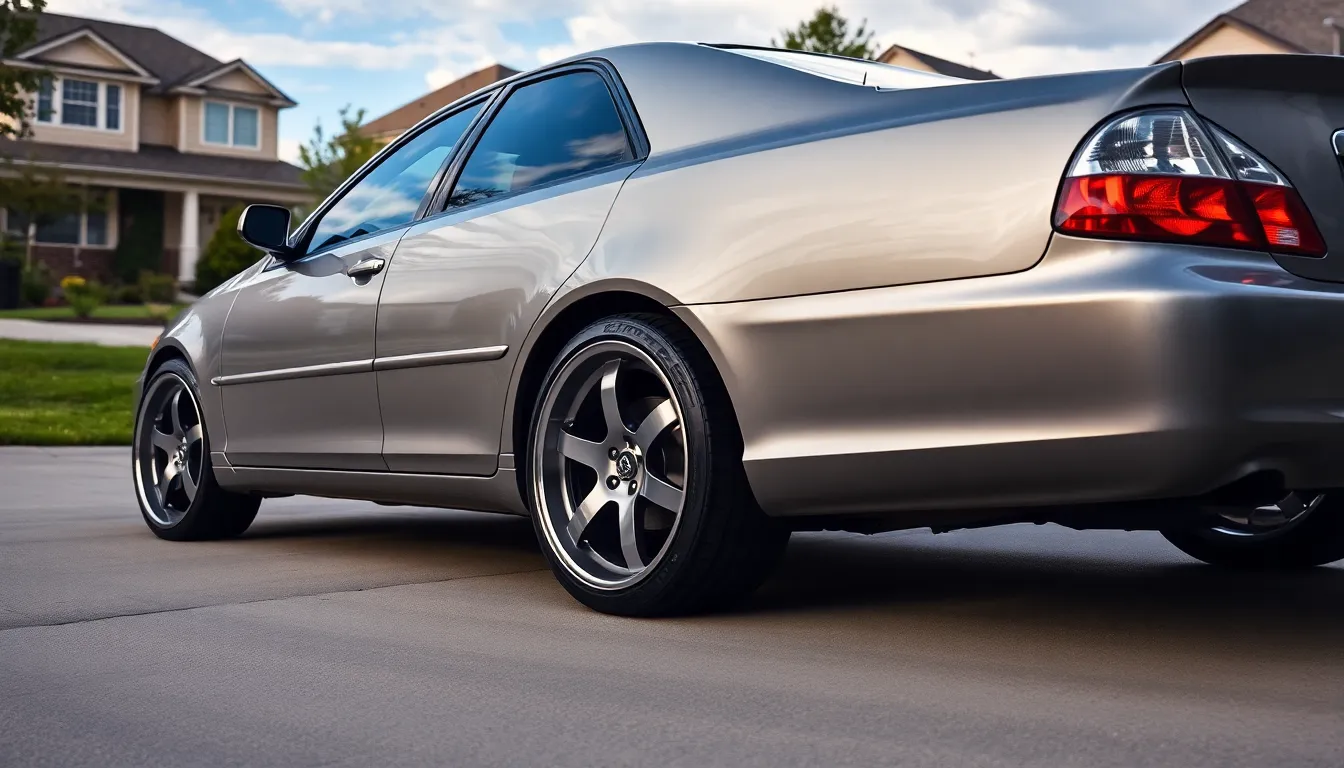
Upgrading your 2003 Toyota Camry tires offers opportunities to enhance performance, appearance, and ride quality. Several alternative sizes and performance characteristics are compatible with your vehicle, depending on your driving preferences and exact trim model.
Compatible Alternative Tire Sizes
The 2003 Camry accommodates several tire size options beyond the factory specifications. You can step up from the base 205/65R15 size to the 215/60R16 commonly found on SE trims for a modest upgrade in handling and appearance. For a more important change, 215/55R17 or 225/50R17 sizes fit nicely with 7-inch wide rims, though these require careful clearance checks before installation. More aggressive options include 235/45R18 or 235/40R19 for sportier styling, but these larger sizes typically necessitate suspension modifications or fender adjustments to prevent rubbing. Maintaining an overall diameter close to the original equipment size is crucial to preserve speedometer accuracy and vehicle handling characteristics. The 5×114.3mm bolt pattern on your Camry’s wheels provides compatibility with many aftermarket options when considering wheel upgrades alongside new tires.
Performance vs. Comfort Considerations
Tire sidewall height significantly impacts your Camry’s driving experience. Smaller sidewalls (with aspect ratios of 40 or 45) deliver sharper steering response and enhanced cornering stability but sacrifice ride comfort on rough roads. Larger sidewalls (aspect ratios of 60 or 65) excel at absorbing bumps and potholes, creating a smoother, more comfortable ride at the expense of some handling precision. Tire width also plays a critical role in your driving experience—wider tires (225mm or 235mm) provide improved grip and traction but often generate more road noise and reduce fuel efficiency due to increased rolling resistance. The type of tire matters equally as much as size—touring tires emphasize comfort and longevity with quieter operation, while performance tires prioritize grip and responsive handling with typically shorter tread life. Your typical driving conditions should guide these choices, balancing performance desires with practical comfort needs for daily use.
Seasonal Tire Options for the 2003 Toyota Camry
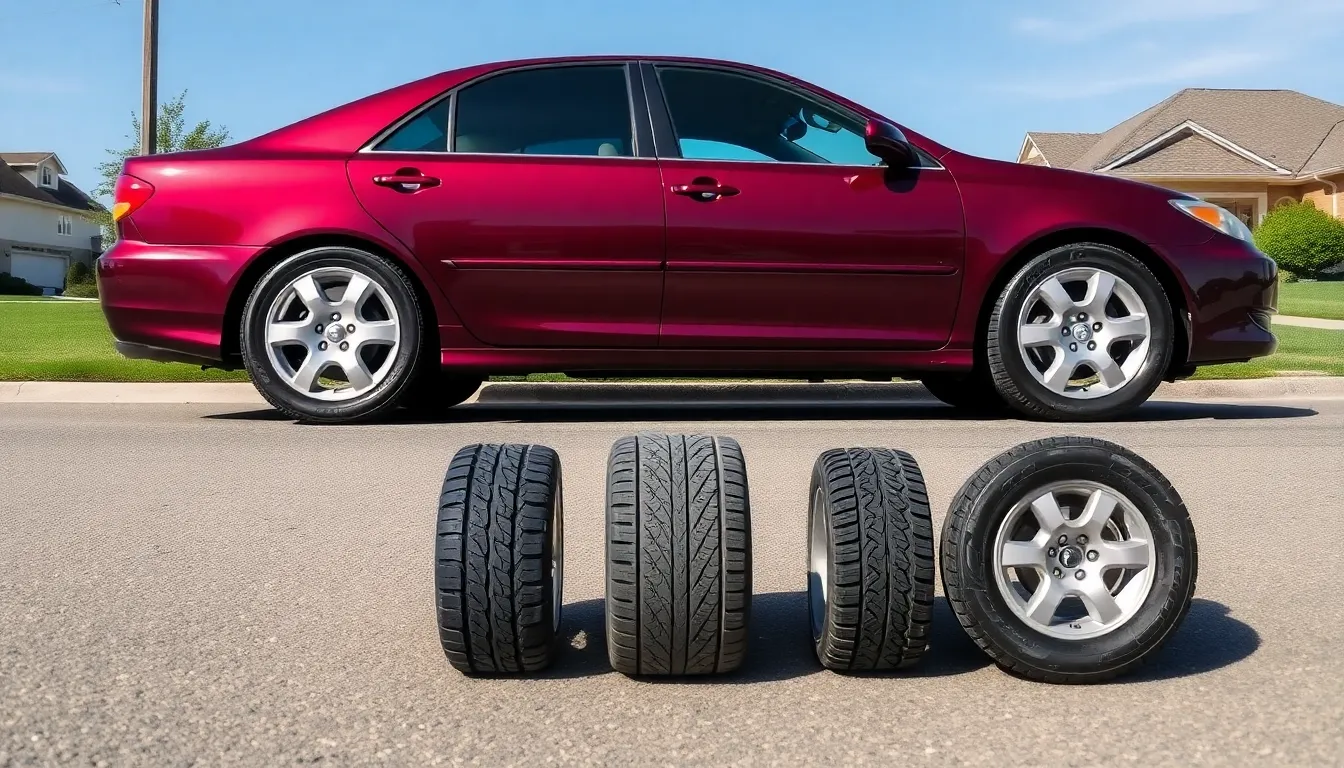
Selecting the right seasonal tires for your 2003 Toyota Camry enhances safety and performance in exact weather conditions. Different tire types are engineered to handle varying temperatures and road conditions throughout the year.
All-Season Tires
All-season tires provide balanced performance across a variety of conditions including dry roads, wet surfaces, and light snow. These versatile options offer a compromise between summer and winter tire capabilities, making them ideal for Camry owners in moderate climates with mild seasonal changes. The tread patterns on all-season tires combine elements from both summer and winter designs to deliver year-round traction, reasonable tread life, and comfortable ride quality. Many Camry owners prefer these tires for their convenience and elimination of seasonal changeovers.
Summer Tires
Summer tires deliver superior handling and responsiveness in warm and wet conditions. The specialized rubber compounds remain soft and grippy at higher temperatures, providing excellent cornering ability and shorter braking distances on hot pavement. These tires feature less aggressive tread patterns with fewer sipes, maximizing road contact for enhanced performance. For your 2003 Camry, summer tires in the factory sizes (205/65R15 for LE models or 215/60R16 for SE and XLE trims) significantly improve warm-weather driving dynamics. Their performance drops dramatically in temperatures below 45°F, making them unsuitable for cold-weather regions.
Winter Tires
Winter tires incorporate specialized rubber compounds that maintain flexibility in freezing temperatures for crucial traction on snow and ice. The distinctive tread patterns feature many sipes (tiny slits) and deeper grooves designed to bite into snow and channel away slush. For 2003 Camry owners in regions with harsh winters, these tires dramatically improve stopping distances and handling in cold conditions. Winter tires matching your Camry’s original specifications (205/65R15 or 215/60R16 depending on trim level) provide the optimal balance of winter safety while maintaining proper speedometer calibration and mechanical clearances.
The performance difference between seasonal tire types becomes most apparent in extreme conditions. All-season tires might struggle in heavy snow or intense summer heat, while dedicated seasonal options excel in their intended environments. Your climate, driving style, and whether you’re willing to swap tires seasonally should guide your choice for the 2003 Camry.
Maintaining Proper Tire Pressure and Rotation for Your 2003 Camry
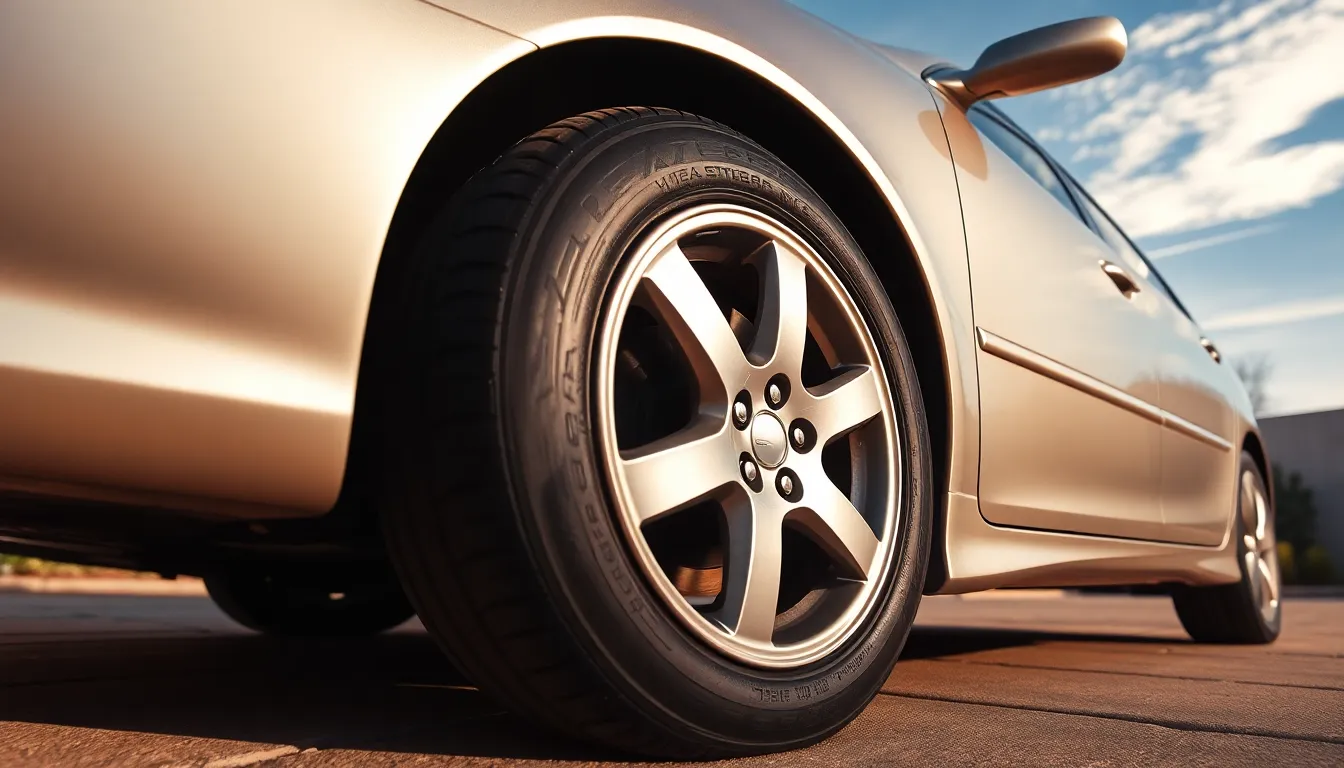
Proper tire maintenance dramatically extends the life of your 2003 Toyota Camry tires while improving safety and fuel economy. Regular pressure checks and tire rotations form the foundation of effective tire care, ensuring even wear patterns and optimal performance throughout their lifespan.
Recommended Tire Pressure
The factory recommended tire pressure for a 2003 Toyota Camry is approximately 29 psi (2.0 bar). This exact pressure setting provides the ideal balance between ride comfort, handling responsiveness, and tread longevity for your Camry. Toyota engineers carefully determined this pressure value to complement the vehicle’s suspension system and weight distribution.
Check your tire pressure at least once monthly using a reliable pressure gauge. Pressure information can be found on a sticker inside your driver’s door jamb or in your owner’s manual. Cold tires provide the most accurate pressure readings, so measure before driving or at least three hours after parking.
Tire Rotation Schedule
Rotating your 2003 Camry tires every 5,000 to 7,500 miles prevents uneven wear patterns that can shorten tire life. Front tires typically wear differently than rear tires due to steering forces and weight distribution. Regular rotation equalizes these wear patterns, maximizing the usable life of all four tires.
The standard rotation pattern for your Camry involves moving the front tires to the opposite rear positions (front-right to rear-left and front-left to rear-right), while the rear tires move straight forward. This cross-pattern rotation effectively distributes wear across all tread surfaces, especially important for the 205/65R15 tires on LE models or the 215/60R16 tires on SE and XLE trims.
Signs of Improper Tire Pressure
Underinflated tires create excessive sidewall flexing, causing increased rolling resistance, heat buildup, and accelerated shoulder wear. Overinflated tires reduce your contact patch with the road, leading to a harsh ride, reduced traction, and premature center tread wear.
Pay attention to how your Camry handles. Pulling to one side, excessive vibration, or uneven steering response often indicates pressure imbalances between tires. Addressing these symptoms promptly prevents more serious tire damage and maintains the handling characteristics Toyota designed for your exact Camry trim level.
Conclusion
Finding the right tire size for your 2003 Toyota Camry isn’t just about fitting the wheels – it’s about optimizing your vehicle’s performance and safety. Whether you stick with the standard P205/65R15 for base models or P215/60R16 for V6 trims you’re ensuring your Camry drives as Toyota engineers intended.
Remember that proper tire maintenance including regular pressure checks and rotations extends your tires’ lifespan. And if you’re considering upgrades pay attention to sidewall height tire width and seasonal options to match your driving conditions.
Your 2003 Camry deserves tires that balance comfort handling and safety. With the right size and type you’ll enjoy better fuel efficiency smoother rides and confident handling for many miles to come.
Frequently Asked Questions
What is the standard tire size for a 2003 Toyota Camry?
Most 2003 Toyota Camry models use P205/65R15 tires. However, the LE V6 and XLE V6 models typically require P215/60R16 tires. The specific size depends on your Camry’s trim level, with base models using smaller tires for comfort and efficiency, while V6 models use larger tires for enhanced handling.
How do I read tire size markings like P215/60R16?
In a tire marking like P215/60R16, “P” indicates a passenger vehicle tire, “215” is the width in millimeters, “60” is the aspect ratio (sidewall height as a percentage of width), “R” means radial construction, and “16” is the wheel diameter in inches. Understanding these numbers helps you select the correct replacement tires.
Can I upgrade to larger tires on my 2003 Camry?
Yes, you can upgrade from the base size to options like 215/60R16, 215/55R17, or 225/50R17 for improved handling and appearance. However, always check for proper clearance and maintain an overall diameter within 3% of the original specification to prevent speedometer and handling issues.
What’s the recommended tire pressure for a 2003 Toyota Camry?
The factory-recommended tire pressure for a 2003 Toyota Camry is approximately 29 psi (pounds per square inch). This pressure balances ride comfort, handling responsiveness, and tread longevity. Always check your vehicle’s door jamb sticker for the exact specification for your model.
How often should I rotate tires on my 2003 Camry?
Rotate your Camry’s tires every 5,000 to 7,500 miles to prevent uneven wear patterns and maximize tire life. Regular rotation helps maintain balanced handling characteristics and extends the service life of your tires, saving you money in the long run.
Are all-season tires good for my 2003 Toyota Camry?
All-season tires are a versatile option for 2003 Camry owners who drive in moderate climates. They provide balanced performance in dry, wet, and light snow conditions. However, for regions with harsh winters or if you prioritize performance in summer conditions, specialized seasonal tires may be preferable.
How do different tire types affect my Camry’s performance?
Summer tires provide superior dry handling and responsiveness but poor winter performance. Winter tires excel in snow and ice but wear quickly in warm weather. All-season tires offer a compromise for year-round use. Your choice should reflect your local climate and driving preferences to balance comfort and performance.
What happens if I use the wrong tire size on my Camry?
Using incorrect tire sizes can cause inaccurate speedometer readings, altered handling characteristics, and potential damage to your vehicle’s suspension components. It may also affect fuel economy and lead to premature tire wear. Always stick to Toyota’s recommendations or consult with a tire professional before changing sizes.